LINDEN INSIGHTS

Buyer guides for countertop oven OEM sourcing.

Practical buyer guides, engineering notes and market-ready checklists for countertop oven programmes.

116 insights
Countertop oven temperature validation setup with probe and data logger in an appliance test laboratory
Buyer Guide

How B2B Buyers Should Validate Countertop Oven Temperature and Cooking Controls

A practical, evidence-led method for comparing oven temperature behaviour, controls and food-result checks without turning a sample test into an unsupported safety claim.

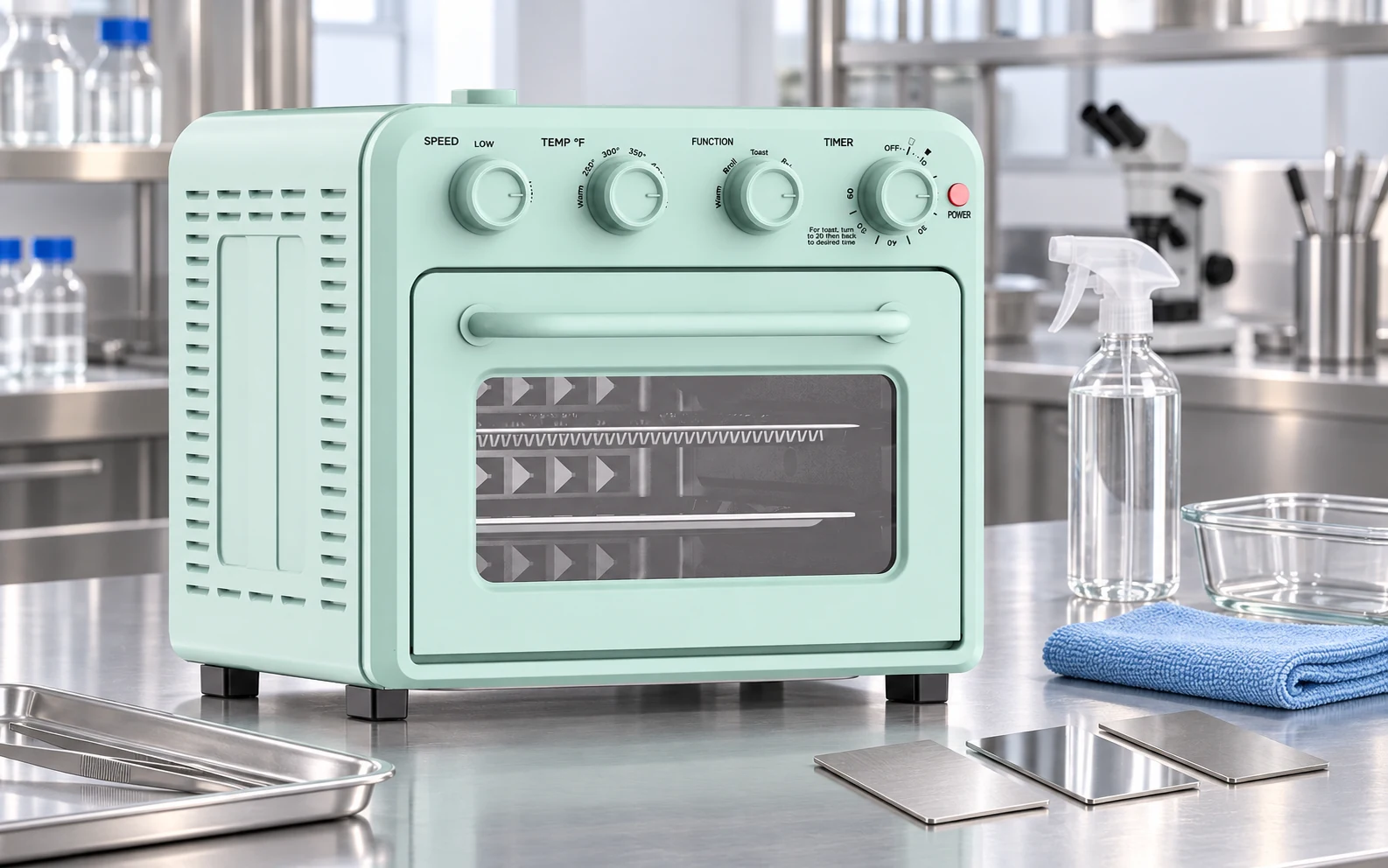
Countertop oven energy and standby-power test setup with plug-in power meter in an appliance laboratory
Buyer Guide

Countertop Oven Energy and Standby: A B2B Buyer’s Evidence Guide

How to compare active cooking energy, idle behaviour, off mode and standby functions using a defined method, clear scope and evidence that matches the offered oven.

Countertop oven food-contact materials and cleaning validation setup in an appliance laboratory
Buyer Guide

Food-Contact Materials and Cleaning: A Countertop Oven B2B Buyer Guide

A practical way to review food-contact materials, removable parts, cleaning instructions and supplier evidence before a countertop oven reaches retail customers.

Blog cover: Oven Temperature Uniformity: A Practical Validation Plan for B2B Buyers
Engineering Guide

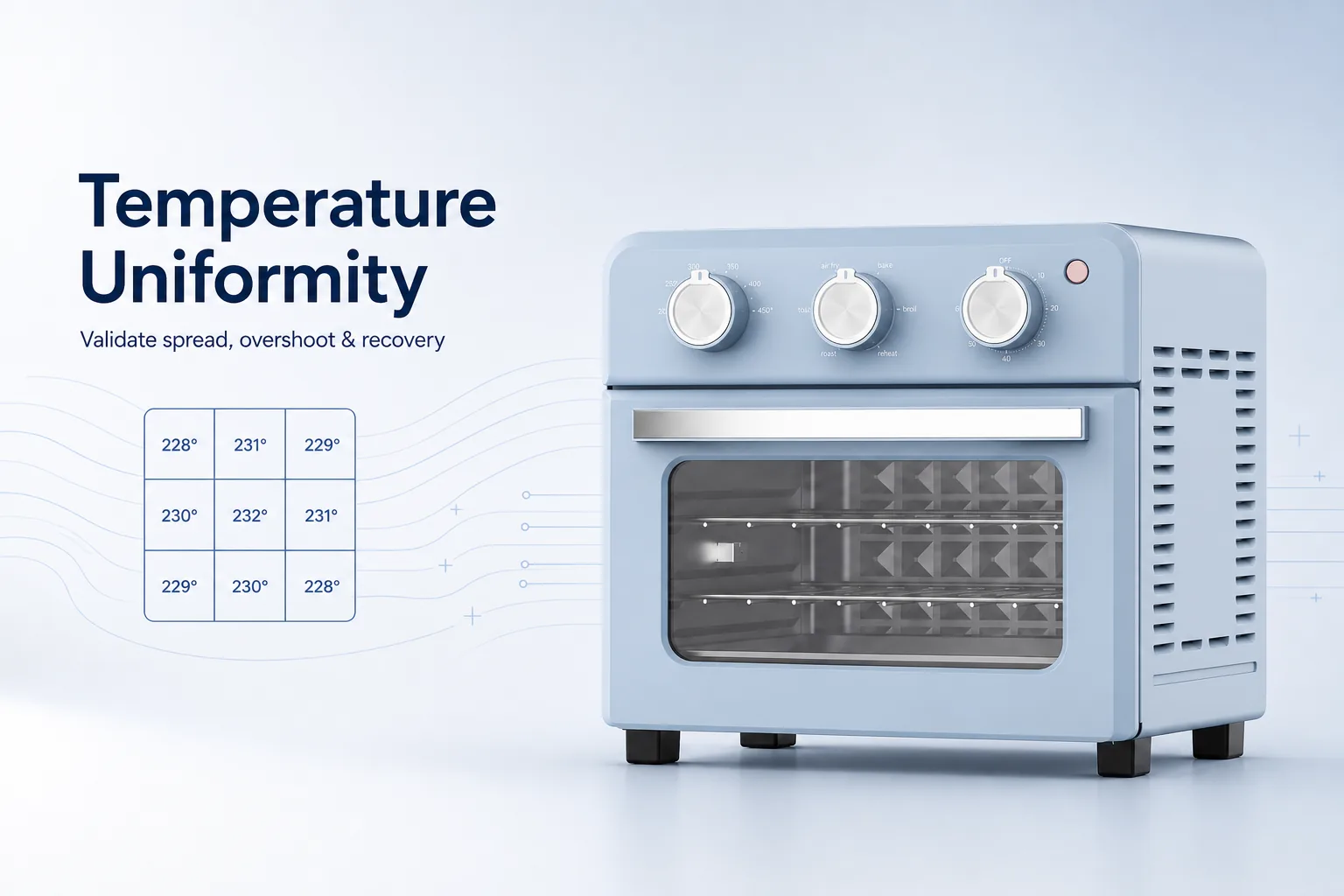
Oven Temperature Uniformity: A Practical Validation Plan for B2B Buyers

A single display temperature cannot prove even cooking. Learn how to compare temperature spread, overshoot and recovery under repeatable conditions.

Blog cover: Convection vs Air Fry: What Airflow Claims Really Mean
Technology Explained

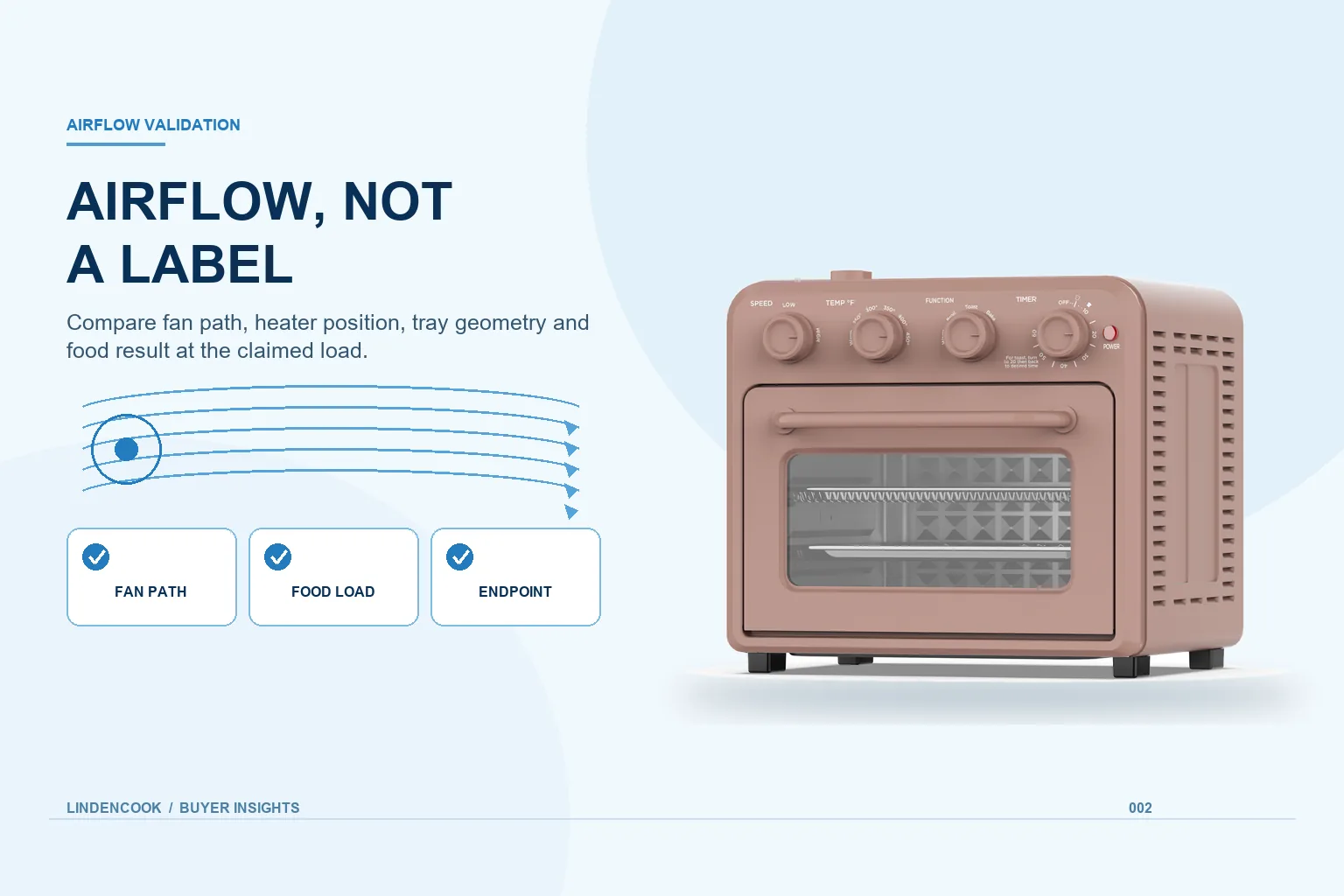
Convection vs Air Fry: What Airflow Claims Really Mean

Air fry is a cooking mode, not a complete engineering specification. Buyers should validate airflow, load capacity and food results together.

Blog cover: Preheat, Recovery and Idle Energy: Three Metrics That Change Operating Cost
Energy & Performance

Preheat, Recovery and Idle Energy: Three Metrics That Change Operating Cost

Rated wattage alone does not explain speed or energy use. Compare preheat, door-opening recovery and idle consumption under the same method.

Blog cover: Rated Litres vs Usable Oven Capacity: How to Compare Cavities
Buyer Guide

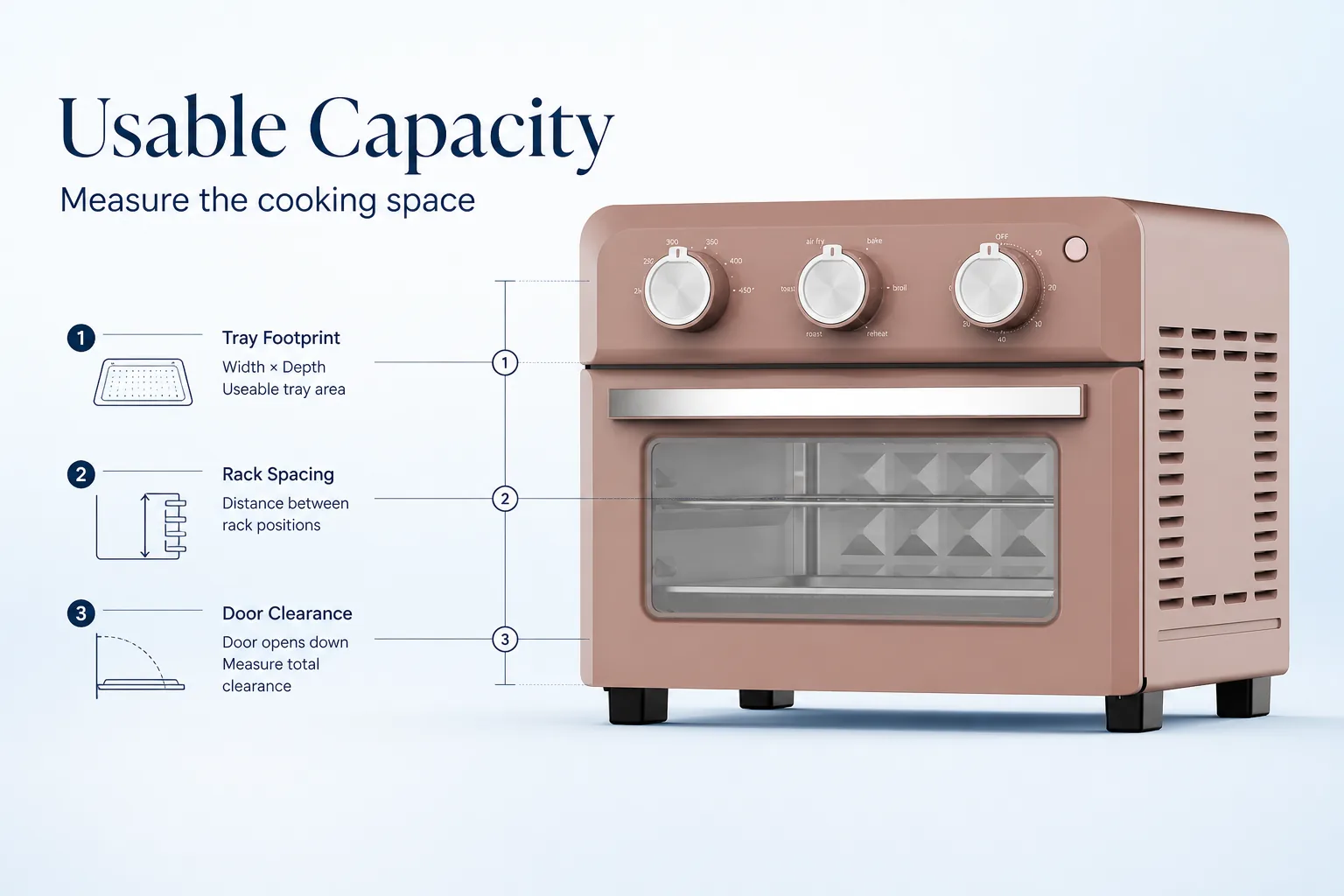
Rated Litres vs Usable Oven Capacity: How to Compare Cavities

Nominal litres are useful, but tray area, rack spacing, door clearance and airflow zones often decide what customers can actually cook.

Blog cover: How to Evaluate an Air Fry Oven OEM Partner: 7 Questions for Procurement Teams
Buyer Guide

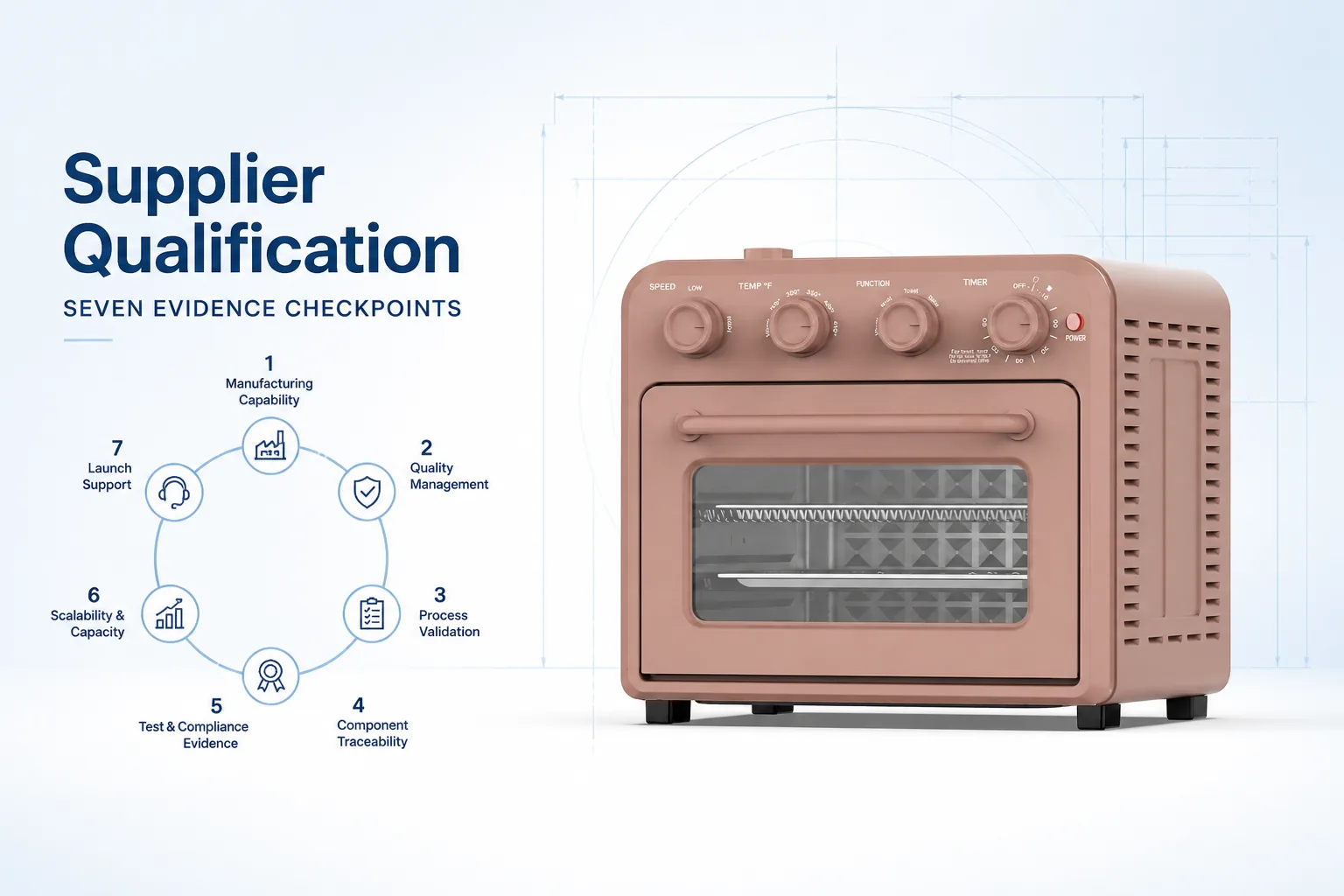
How to Evaluate an Air Fry Oven OEM Partner: 7 Questions for Procurement Teams

A practical framework for comparing manufacturing capability, compliance readiness, project risk and launch support before supplier nomination.

Blog cover: The 230 V Assumption: Why Oven Performance Changes Across Markets
Electrical Engineering

The 230 V Assumption: Why Oven Performance Changes Across Markets

A 220–240 V rating does not make every grid condition identical. Voltage, frequency and local supply variation can change heat-up time, fan behaviour and the evidence behind a performance claim.
Blog cover: The Power Cord Is Part of the Oven, Not a Packaging Accessory
Safety Engineering

The Power Cord Is Part of the Oven, Not a Packaging Accessory

Plug, cord, inlet, terminal and strain relief form one current-carrying system. Changing a cord set late can alter temperature rise, mechanical stress and certification status.

Blog cover: Selling Ovens Above 2,000 Metres: The Altitude Check Most RFQs Miss
Market Engineering

Selling Ovens Above 2,000 Metres: The Altitude Check Most RFQs Miss

Air pressure falls with altitude. Electrical clearances, cooling assumptions and cooking behaviour deserve a specific review when the sales territory includes high-altitude cities.

Blog cover: Coastal Markets Need More Than a Stainless-Steel Front
Environmental Validation

Coastal Markets Need More Than a Stainless-Steel Front

Salt and humidity reach screws, cut edges, connectors and circuit boards that customers never see. A bright front panel alone says little about long-term corrosion resistance.

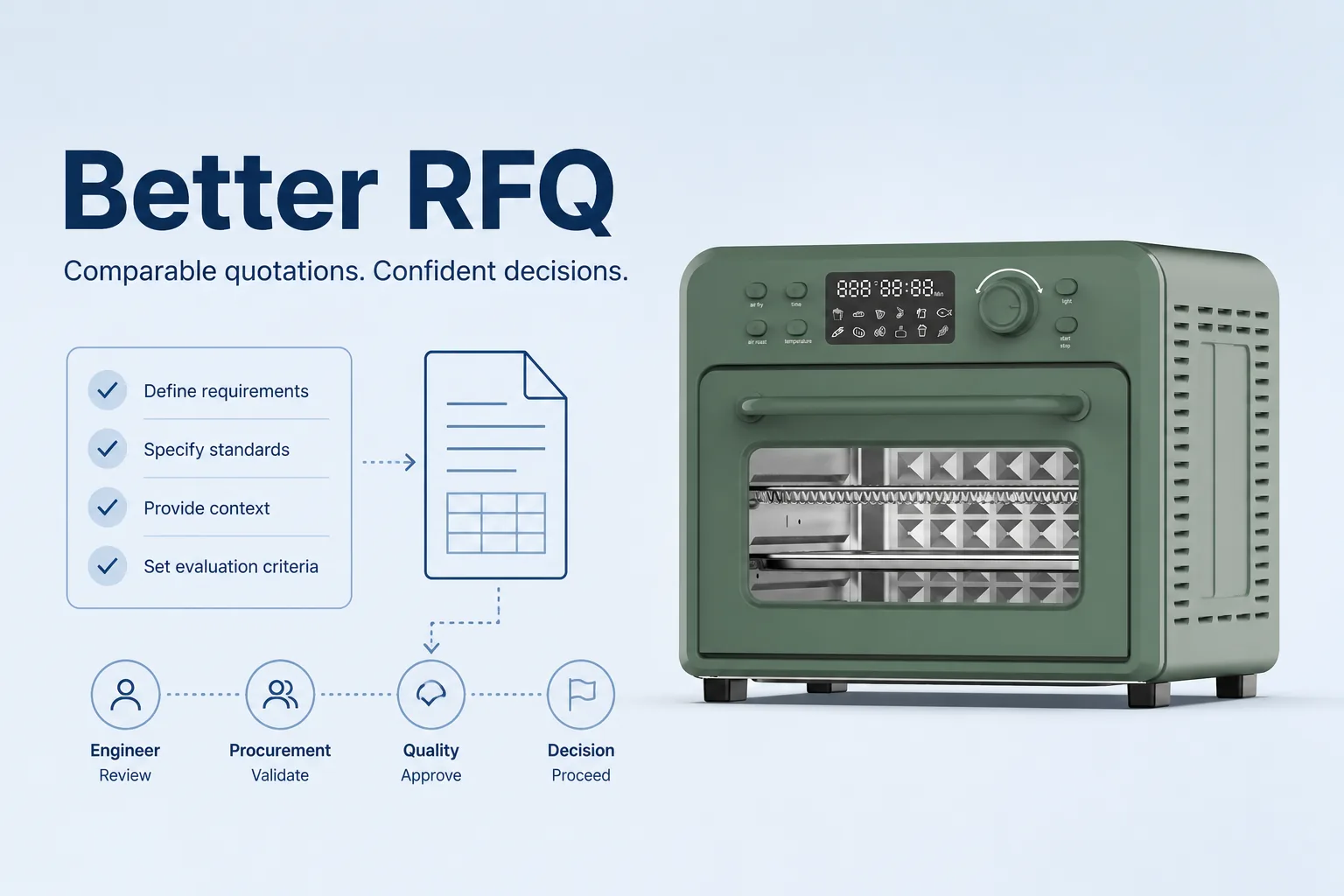
Blog cover: How to Write an Oven OEM RFQ That Produces Comparable Quotations
Procurement Playbook

How to Write an Oven OEM RFQ That Produces Comparable Quotations

A usable RFQ does more than request a price. It fixes the commercial assumptions, technical boundaries and evidence requirements that make supplier quotations genuinely comparable.

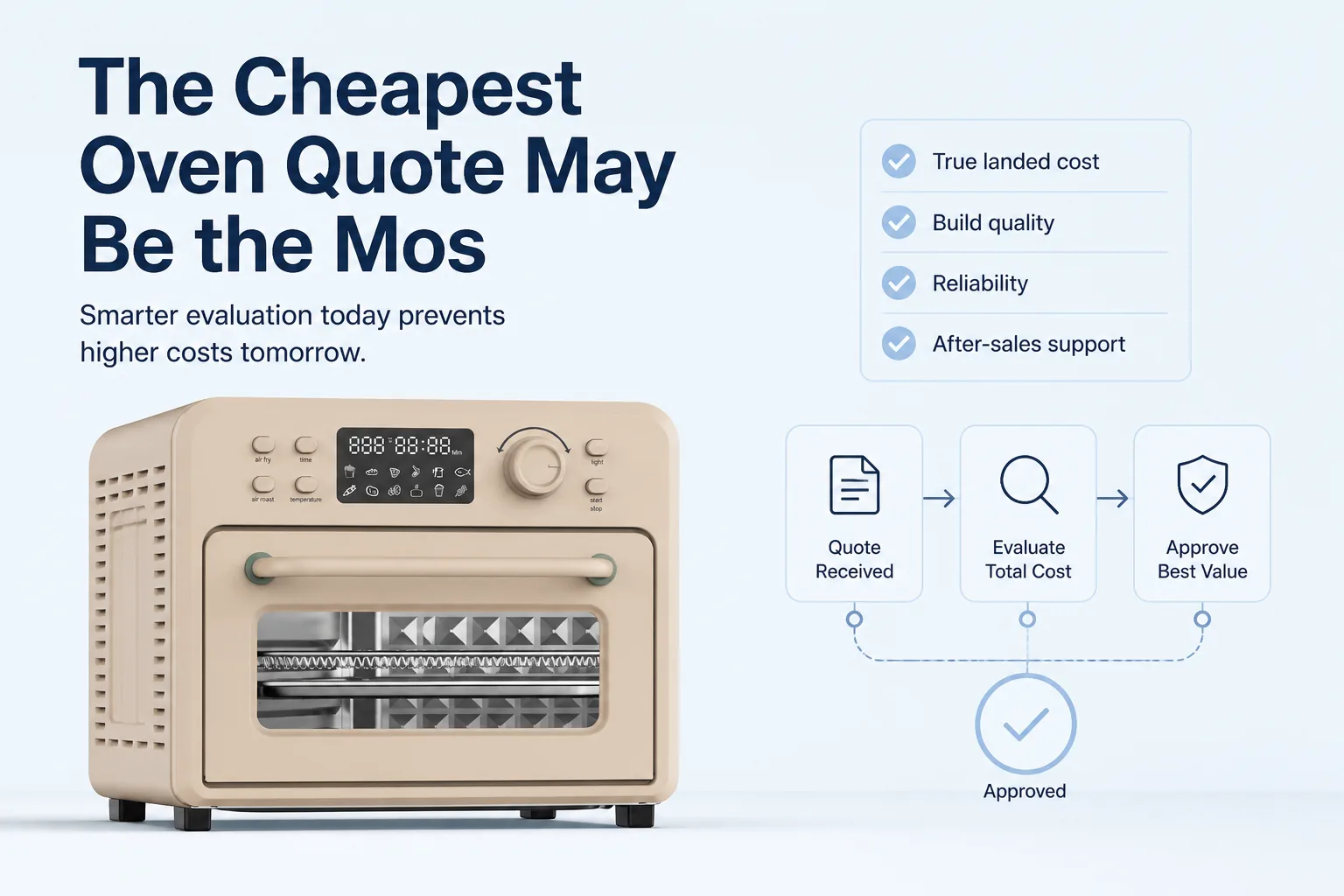
Blog cover: The Cheapest Oven Quote May Be the Most Expensive Program
Commercial Planning

The Cheapest Oven Quote May Be the Most Expensive Program

Unit price is only one line in an oven programme. Buyers should normalise certification, tooling, packaging, logistics, quality and warranty assumptions before choosing a supplier.

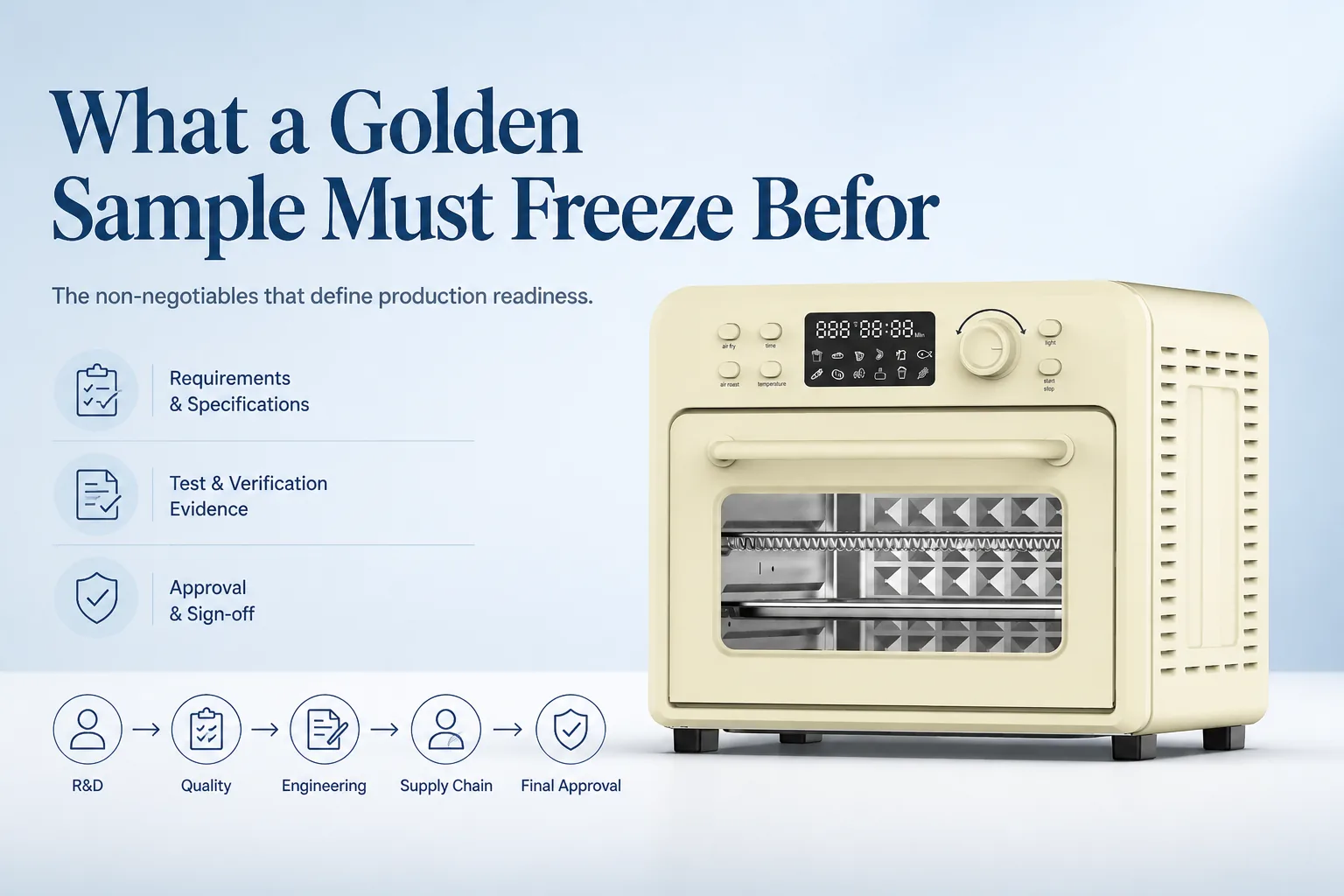
Blog cover: What a Golden Sample Must Freeze Before Mass Production
Quality Control

What a Golden Sample Must Freeze Before Mass Production

A golden sample is useful only when it is tied to a controlled specification, approved deviations and measurable acceptance criteria.

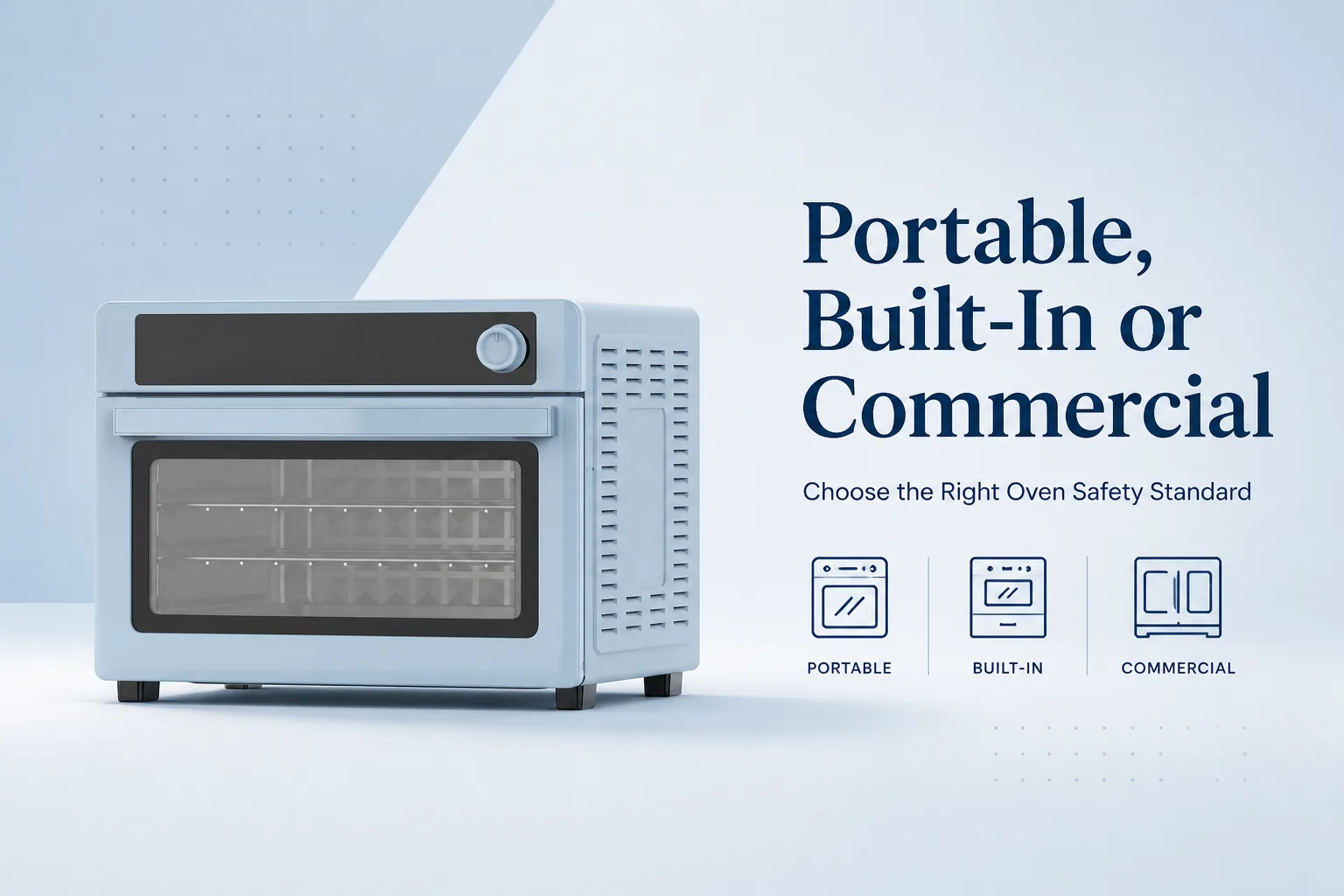
Blog cover: Portable, Built-In or Commercial? Choose the Right Oven Safety Standard
Compliance

Portable, Built-In or Commercial? Choose the Right Oven Safety Standard

Standards follow intended use and construction. Selecting the wrong scope early can invalidate quotations, test plans and launch timing.

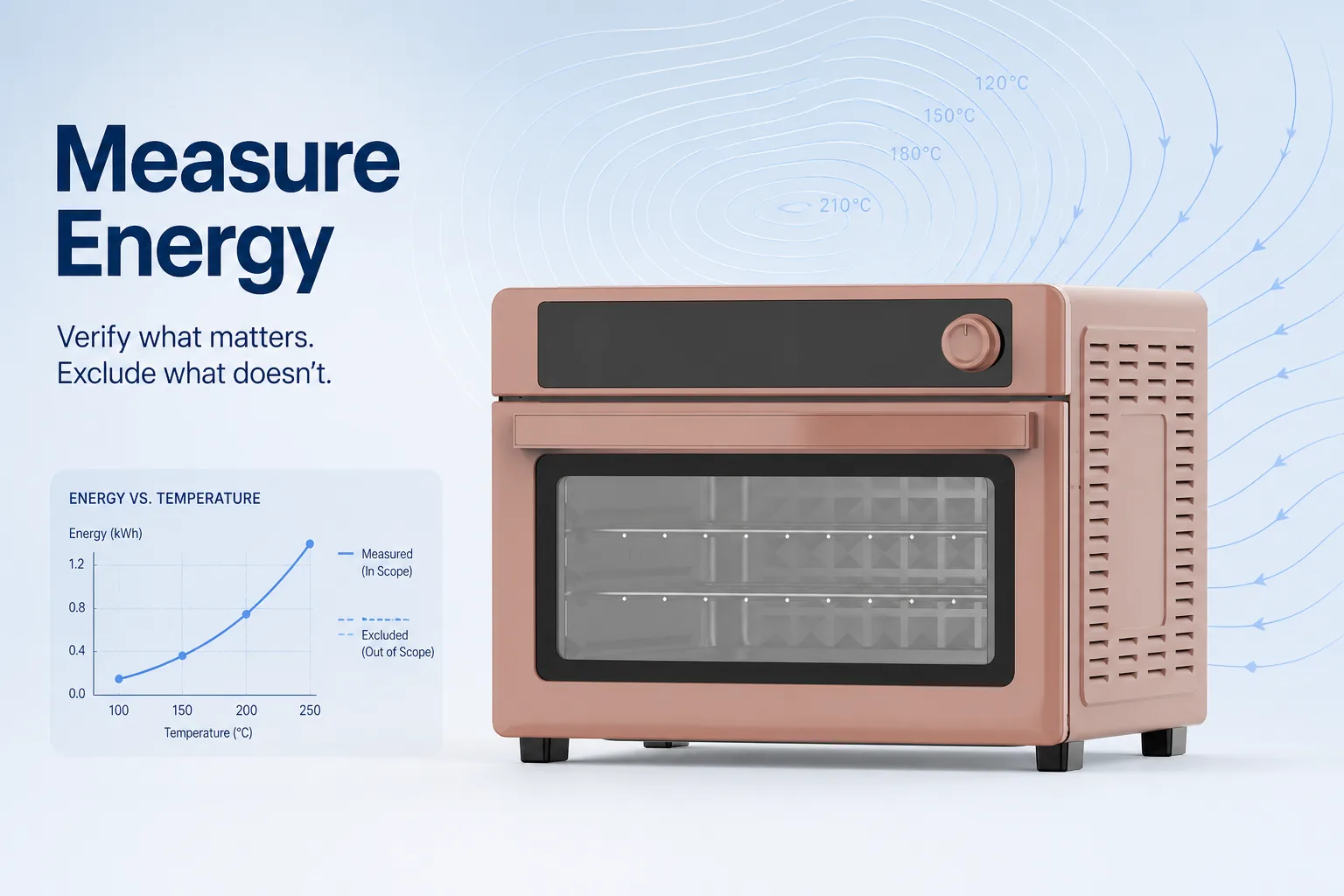
Blog cover: EU Oven Energy Labels: What Buyers Should Verify—and What Is Out of Scope
Compliance

EU Oven Energy Labels: What Buyers Should Verify—and What Is Out of Scope

The EU oven label reports cavity volume and energy per cycle, but small and portable ovens can fall outside this specific labelling scope.

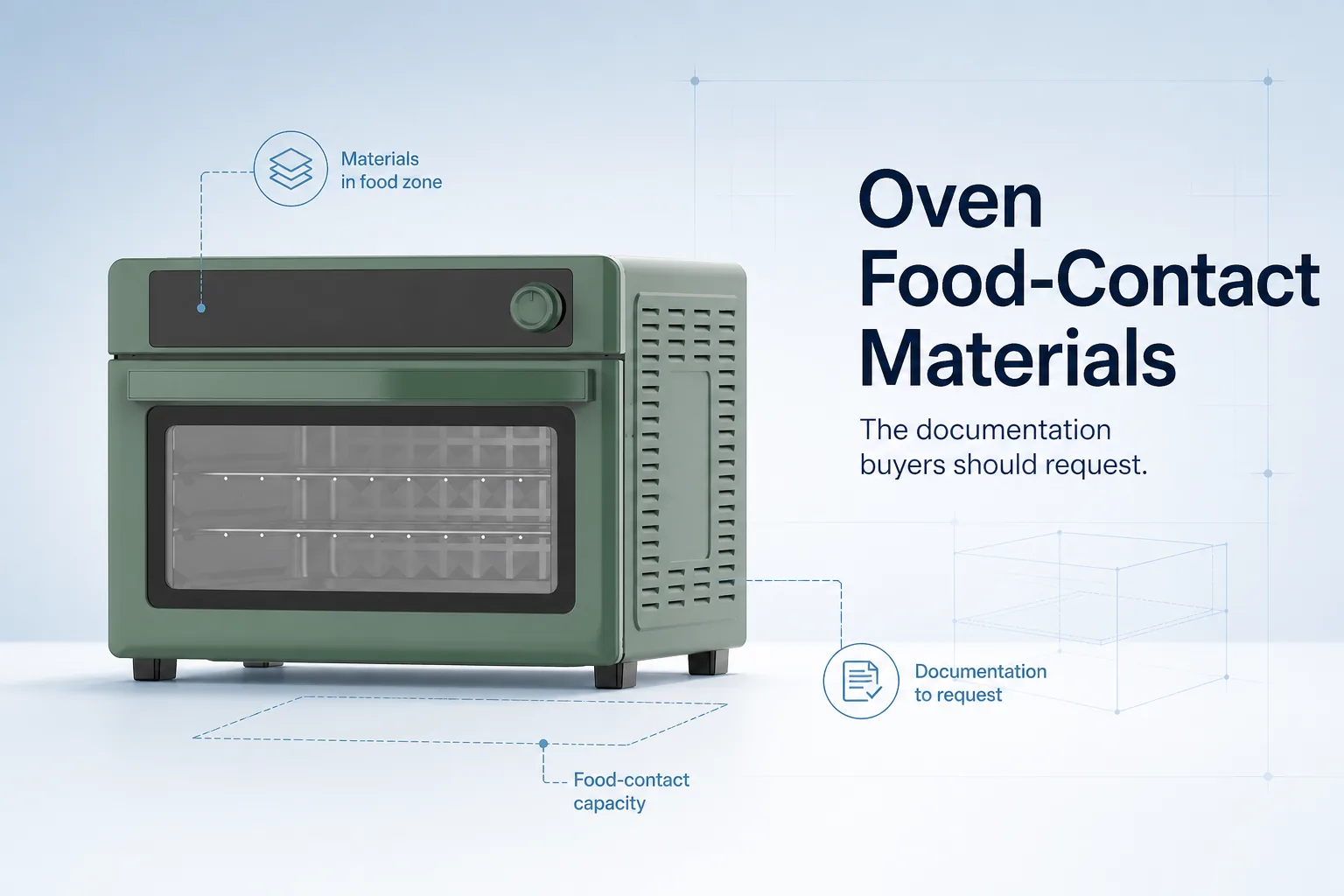
Blog cover: Oven Food-Contact Materials: The Documentation Buyers Should Request
Materials & Safety

Oven Food-Contact Materials: The Documentation Buyers Should Request

Trays, racks, coatings, seals and accessories need material-specific evidence linked to intended food, time and temperature conditions.

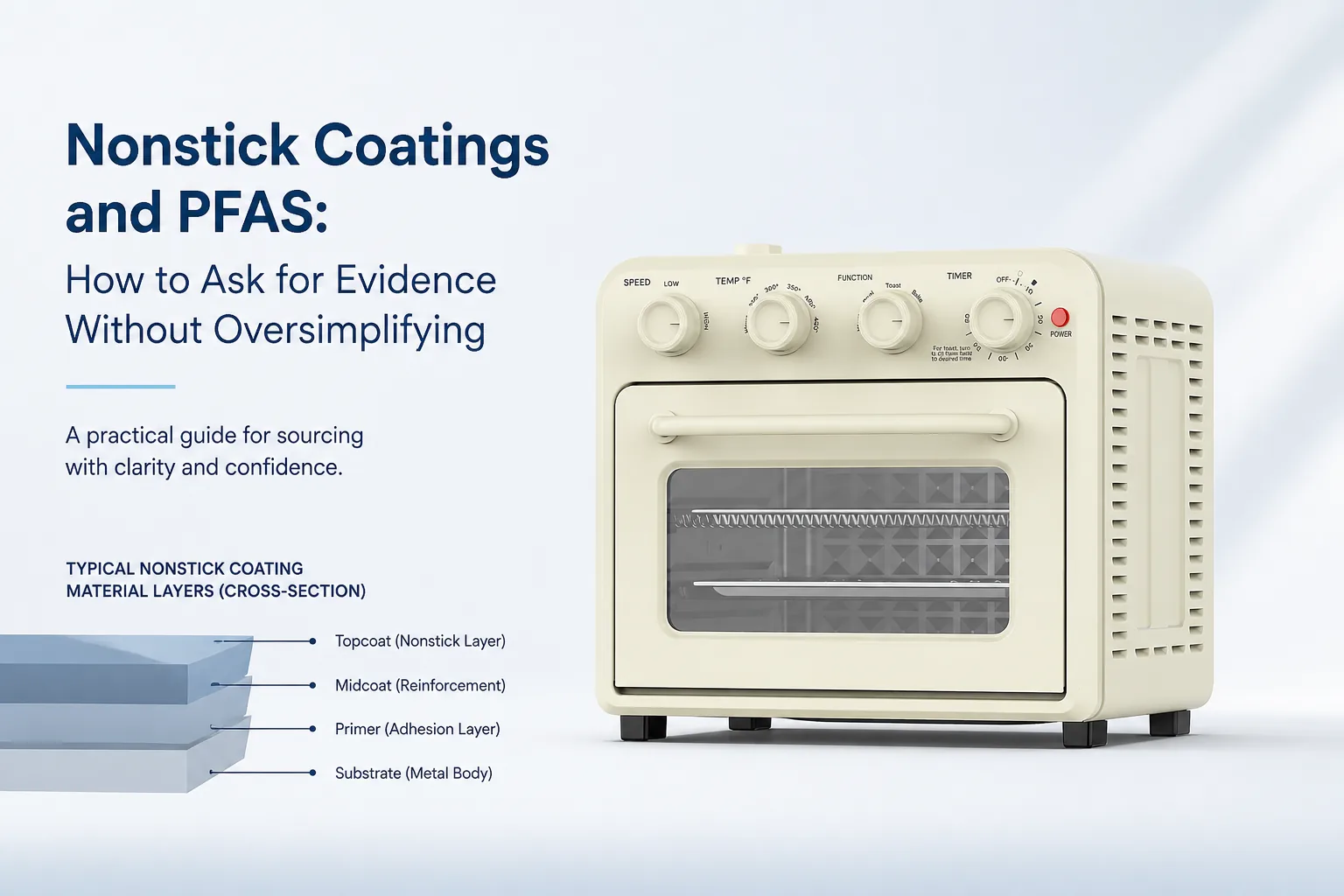
Blog cover: Nonstick Coatings and PFAS: How to Ask for Evidence Without Oversimplifying
Materials & Safety

Nonstick Coatings and PFAS: How to Ask for Evidence Without Oversimplifying

PFAS is a broad chemical class. A credible sourcing decision starts with exact coating identity, intended use, migration evidence and market-specific rules.

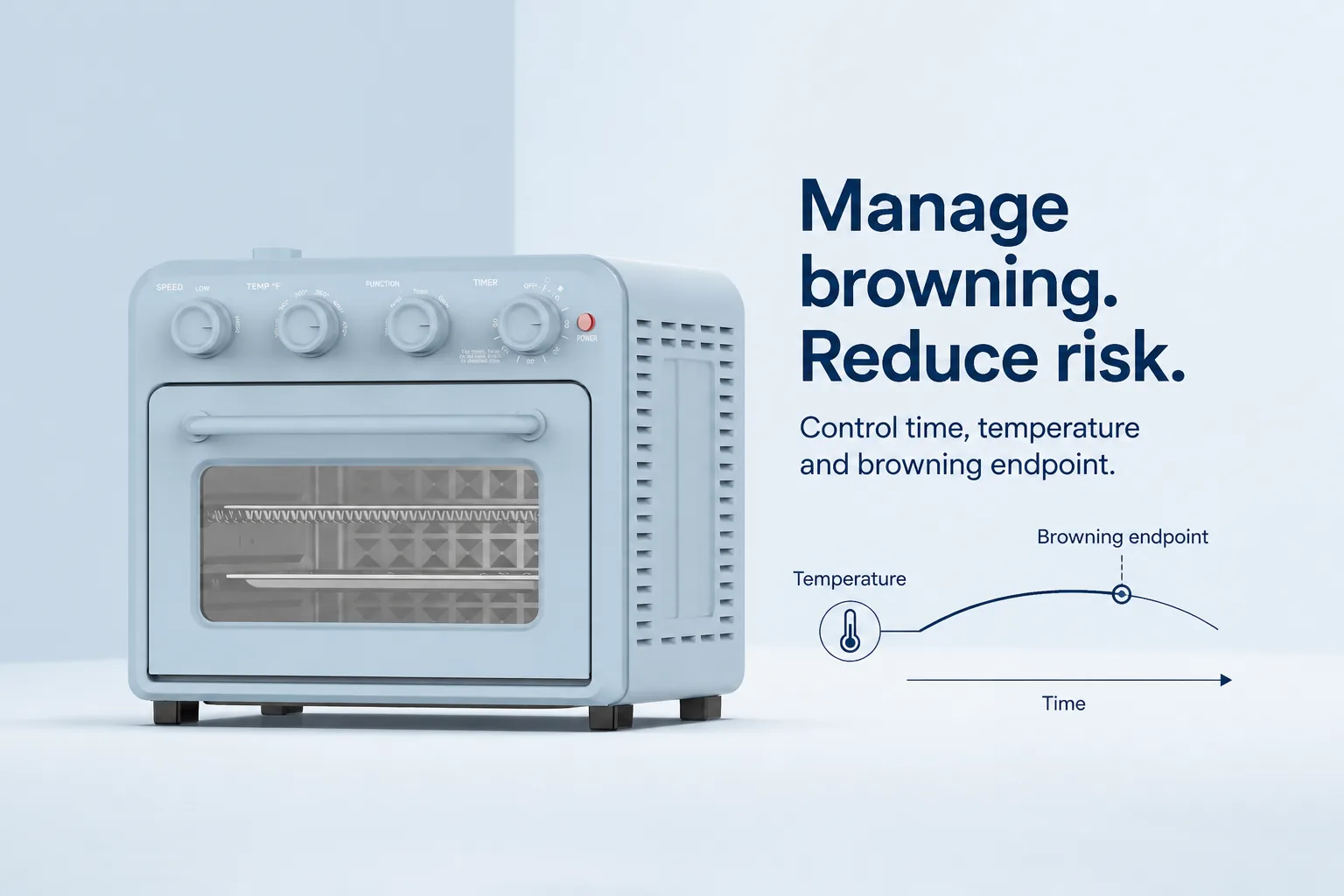
Blog cover: Acrylamide and Oven Browning: Evidence-Based Ways to Reduce Risk
Food Science

Acrylamide and Oven Browning: Evidence-Based Ways to Reduce Risk

Acrylamide can form in starchy foods during high-temperature cooking. Program design should manage time, temperature and endpoint color together.

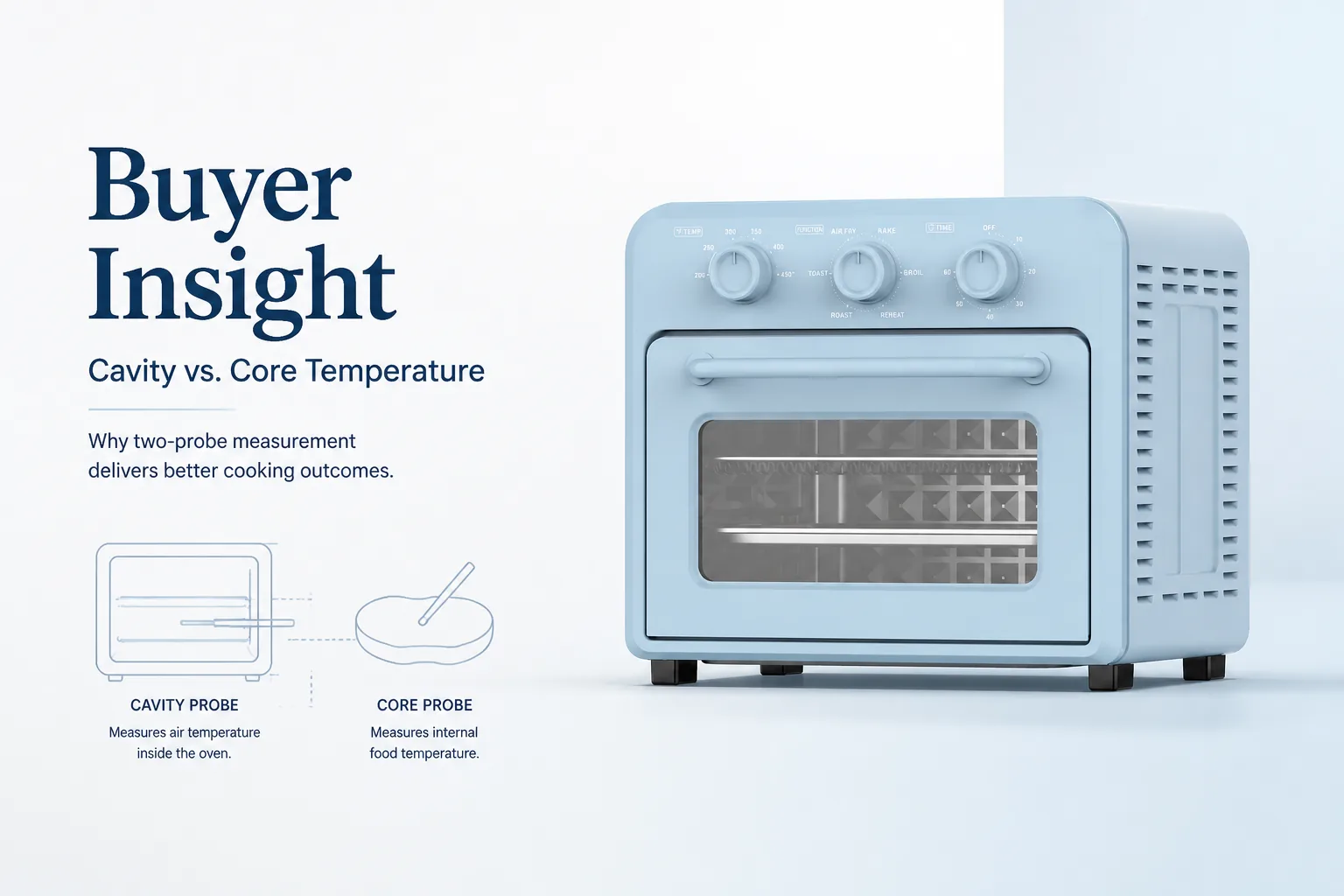
Blog cover: Oven Setpoint Is Not Food Temperature: A Buyer’s Guide to Core-Temperature Safety
Food Safety

Oven Setpoint Is Not Food Temperature: A Buyer’s Guide to Core-Temperature Safety

Cavity air temperature and food core temperature answer different questions. Safe-use content should direct customers to a food thermometer.

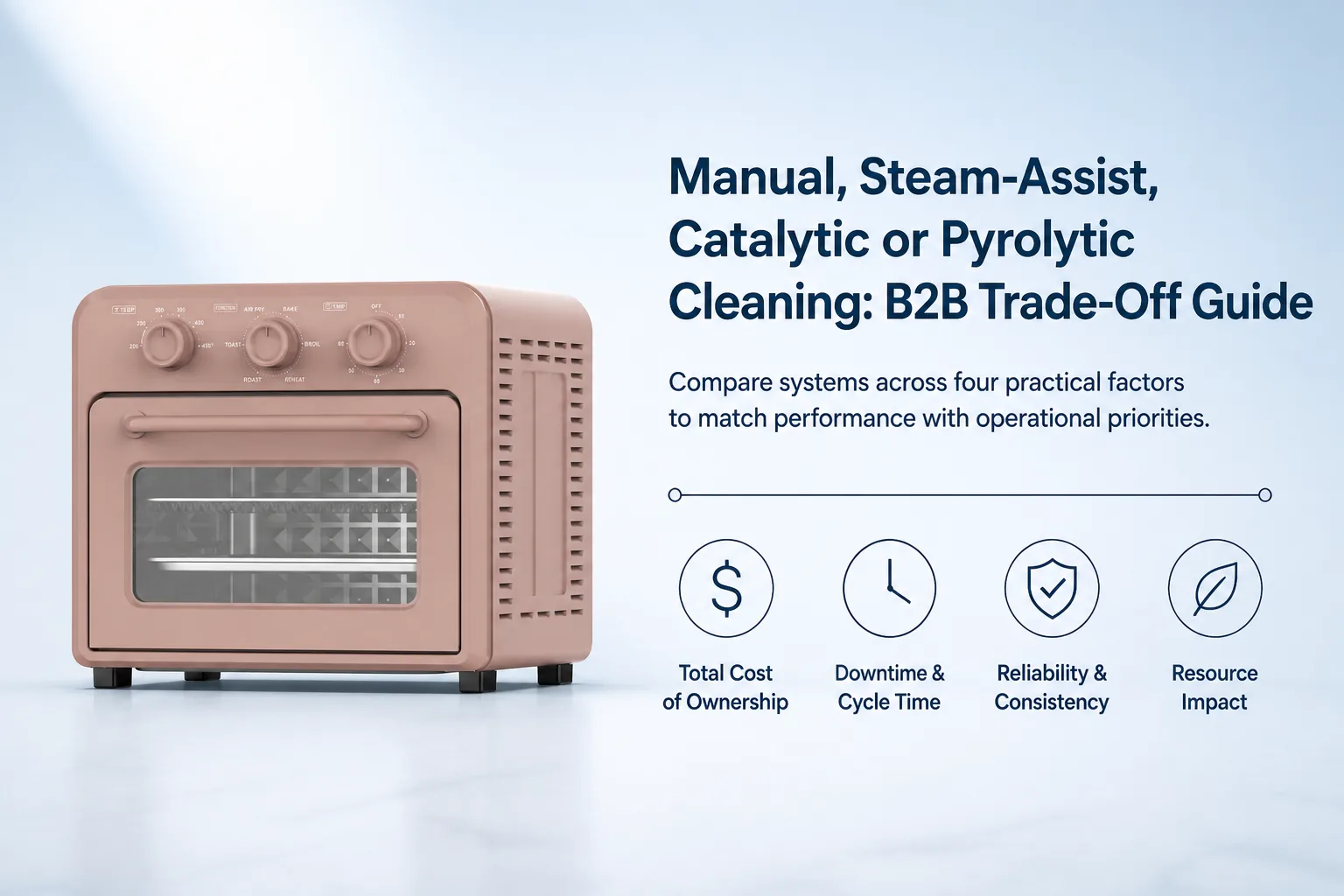
Blog cover: Manual, Steam-Assist, Catalytic or Pyrolytic Cleaning: A B2B Trade-Off Guide
Product Design

Manual, Steam-Assist, Catalytic or Pyrolytic Cleaning: A B2B Trade-Off Guide

Cleaning systems affect cost, insulation, controls, coatings, instructions and customer expectations. Compare the whole system, not the feature name.

Blog cover: Cool-Touch Claims: How External Surface Temperature Is Actually Evaluated
Safety Engineering

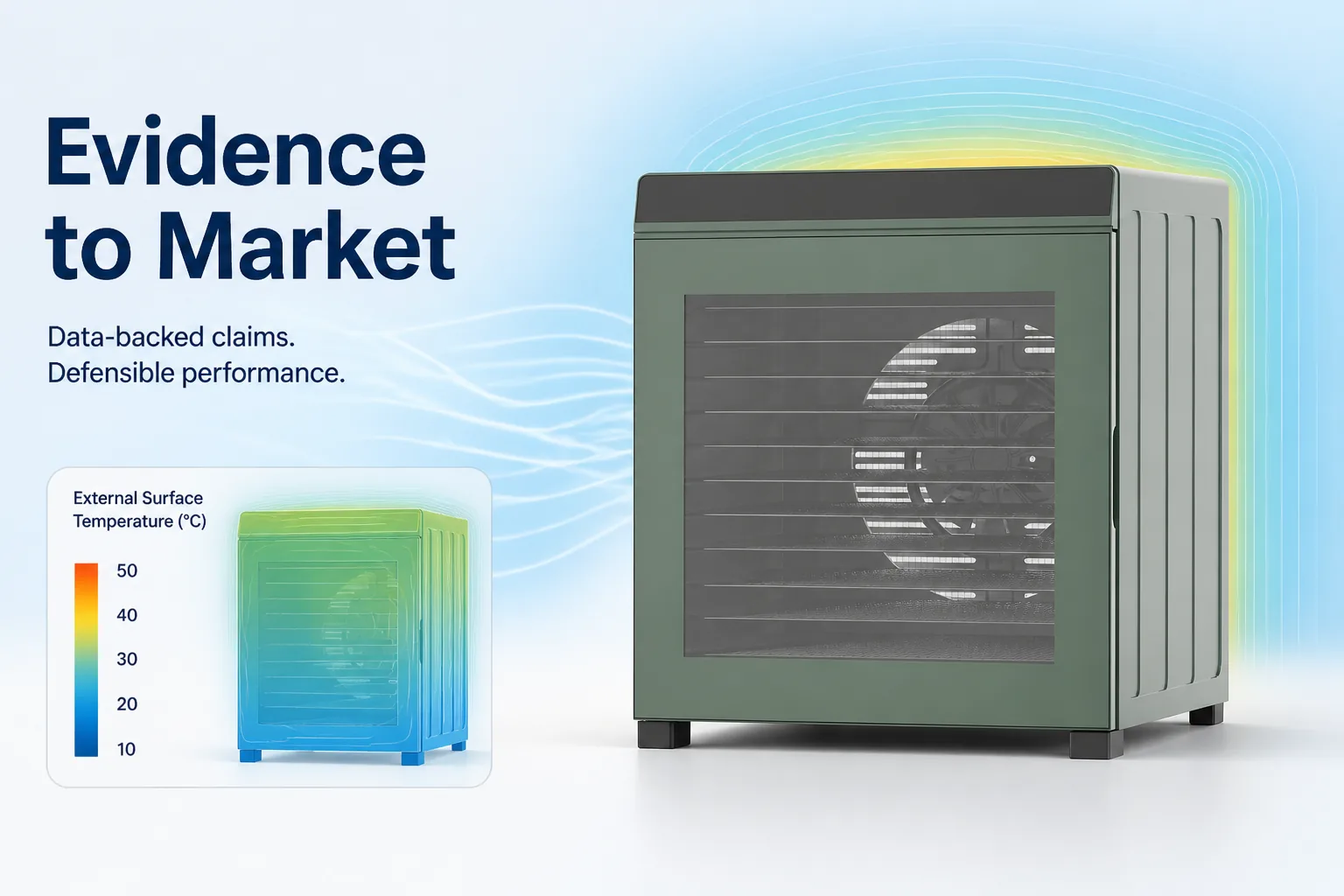
Cool-Touch Claims: How External Surface Temperature Is Actually Evaluated

A cool handle does not mean every accessible surface stays cool. Claims need defined points, operating modes and standardized safety evaluation.

Blog cover: Oven Fan Noise: How to Write a Testable B2B Specification
Engineering Guide

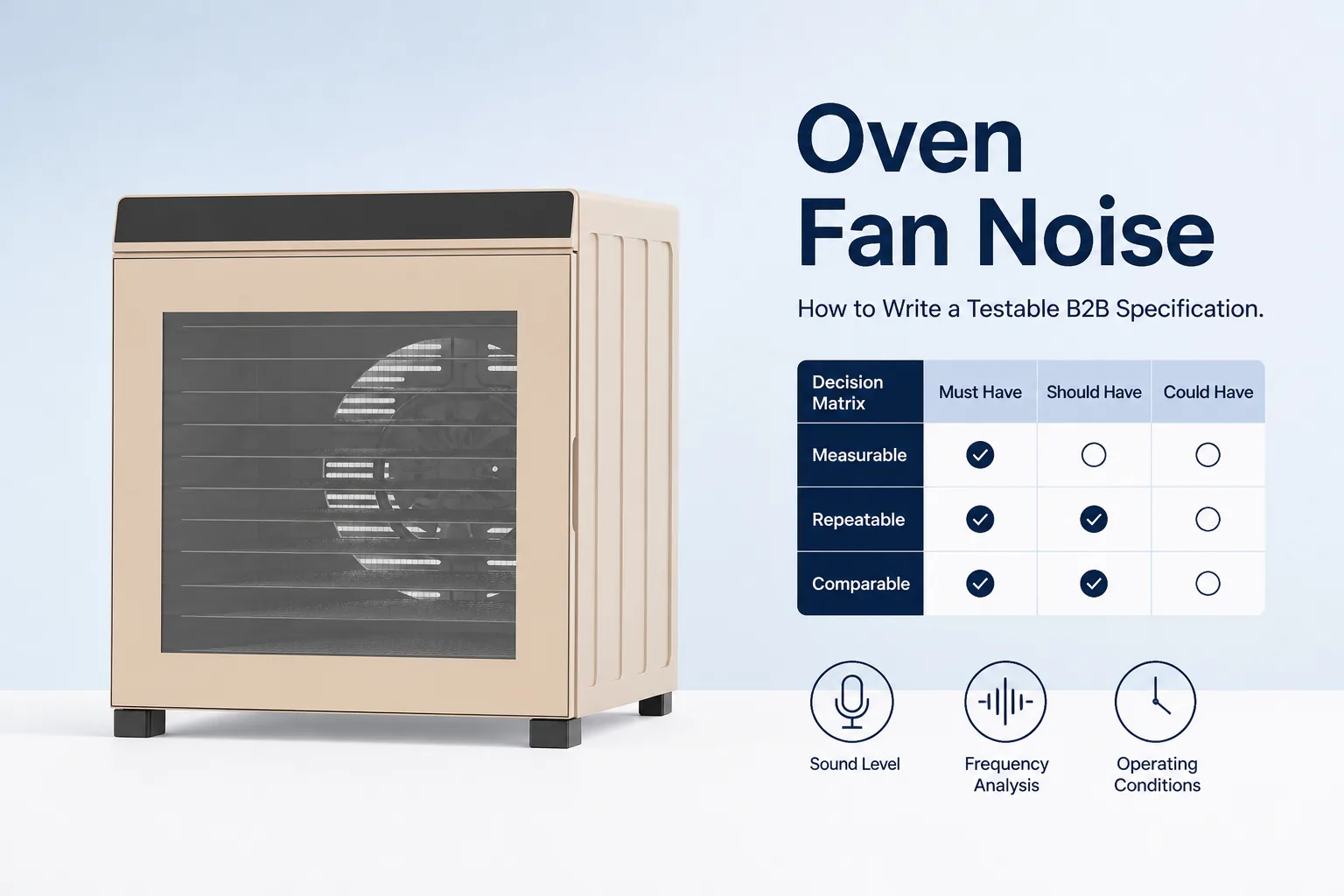
Oven Fan Noise: How to Write a Testable B2B Specification

A dB value is incomplete without distance, room, operating mode, load and measurement quantity. Write conditions before setting a limit.

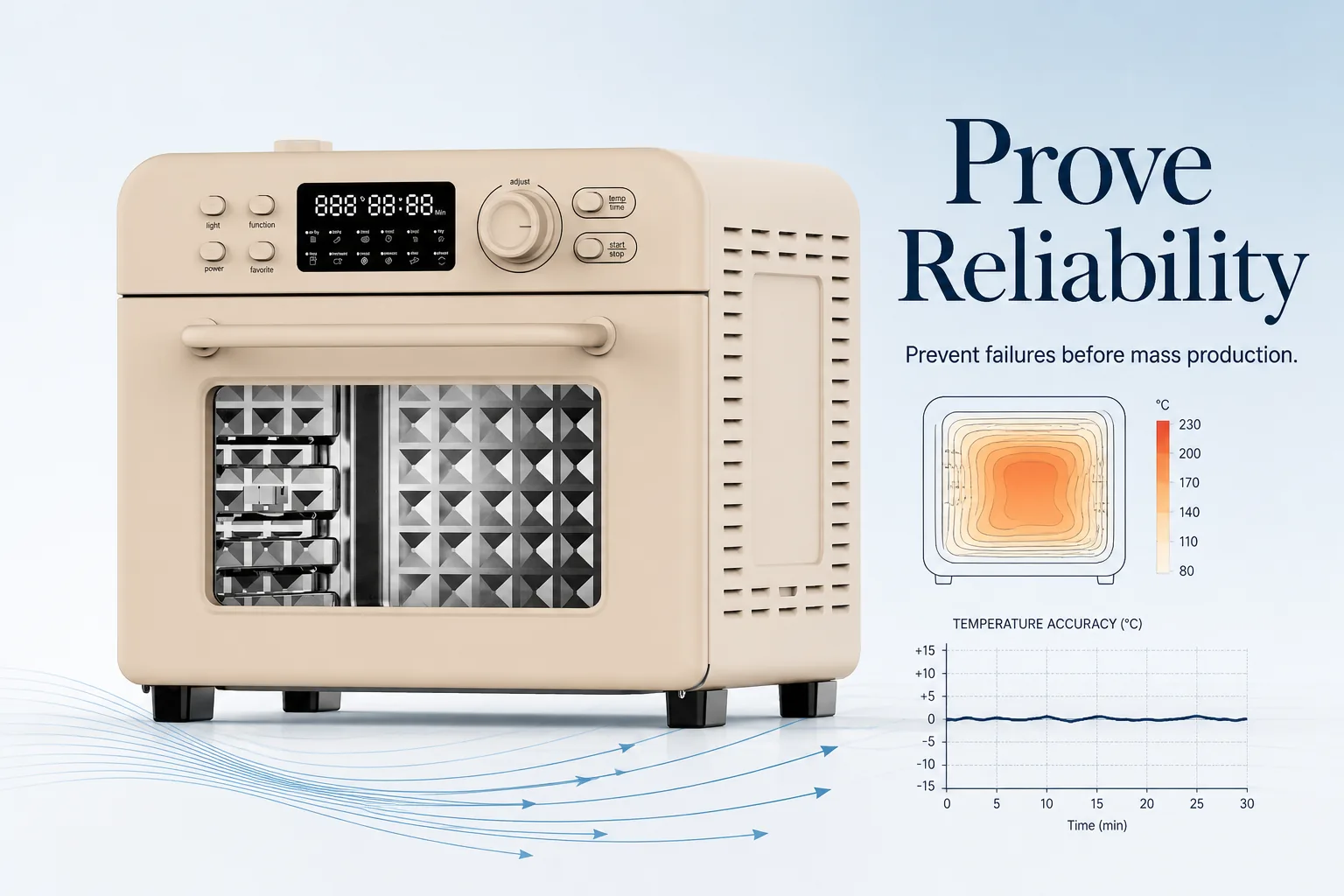
Blog cover: Oven Reliability Testing: Turning ‘Long Life’ Into Verifiable Evidence
Quality Engineering

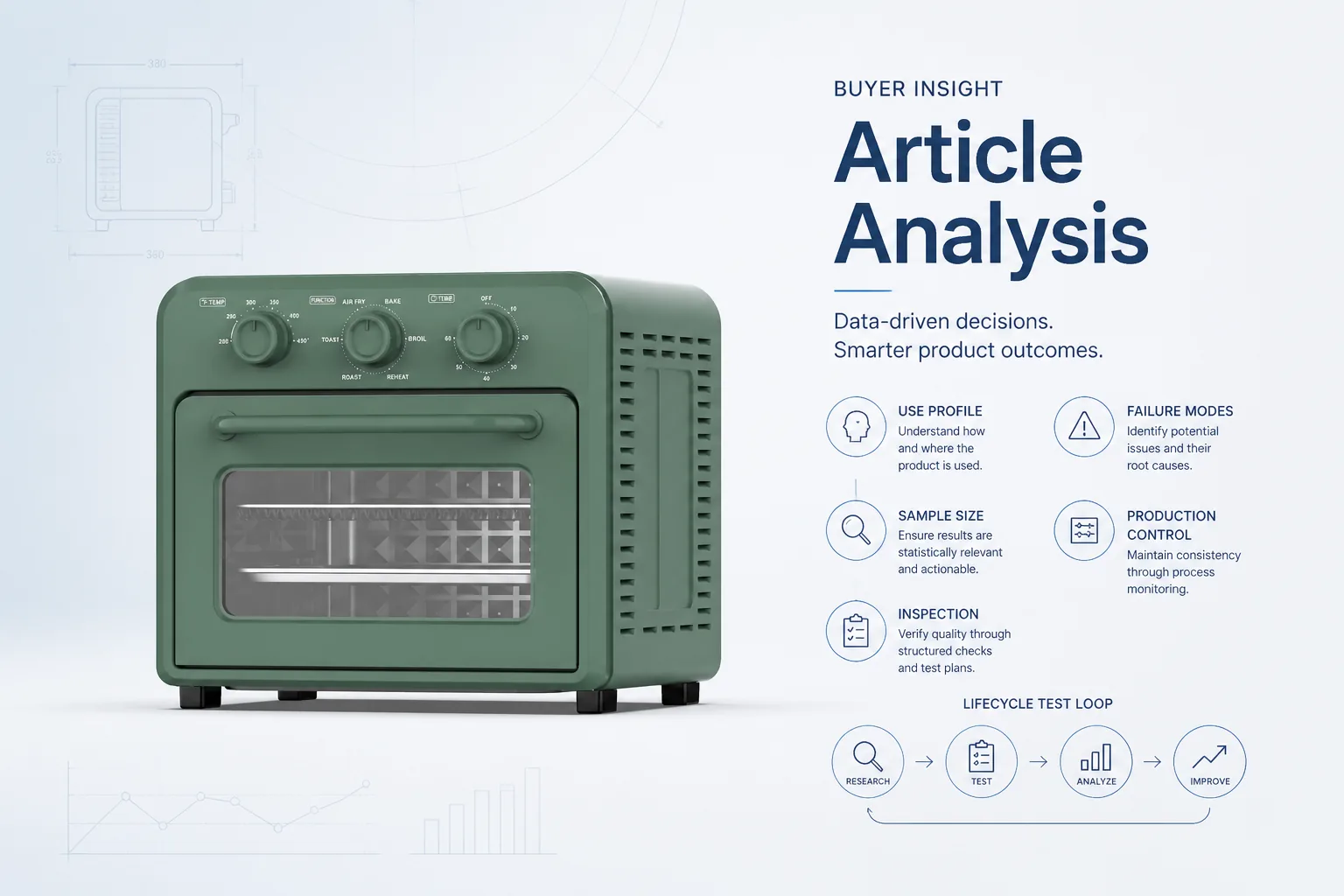
Oven Reliability Testing: Turning ‘Long Life’ Into Verifiable Evidence

Reliability is not one cycle count. A credible plan links use profile, failure modes, sample size, inspections and production controls.

Blog cover: CE, CB and NRTL: A Practical Certification Roadmap for Oven Programs
Compliance

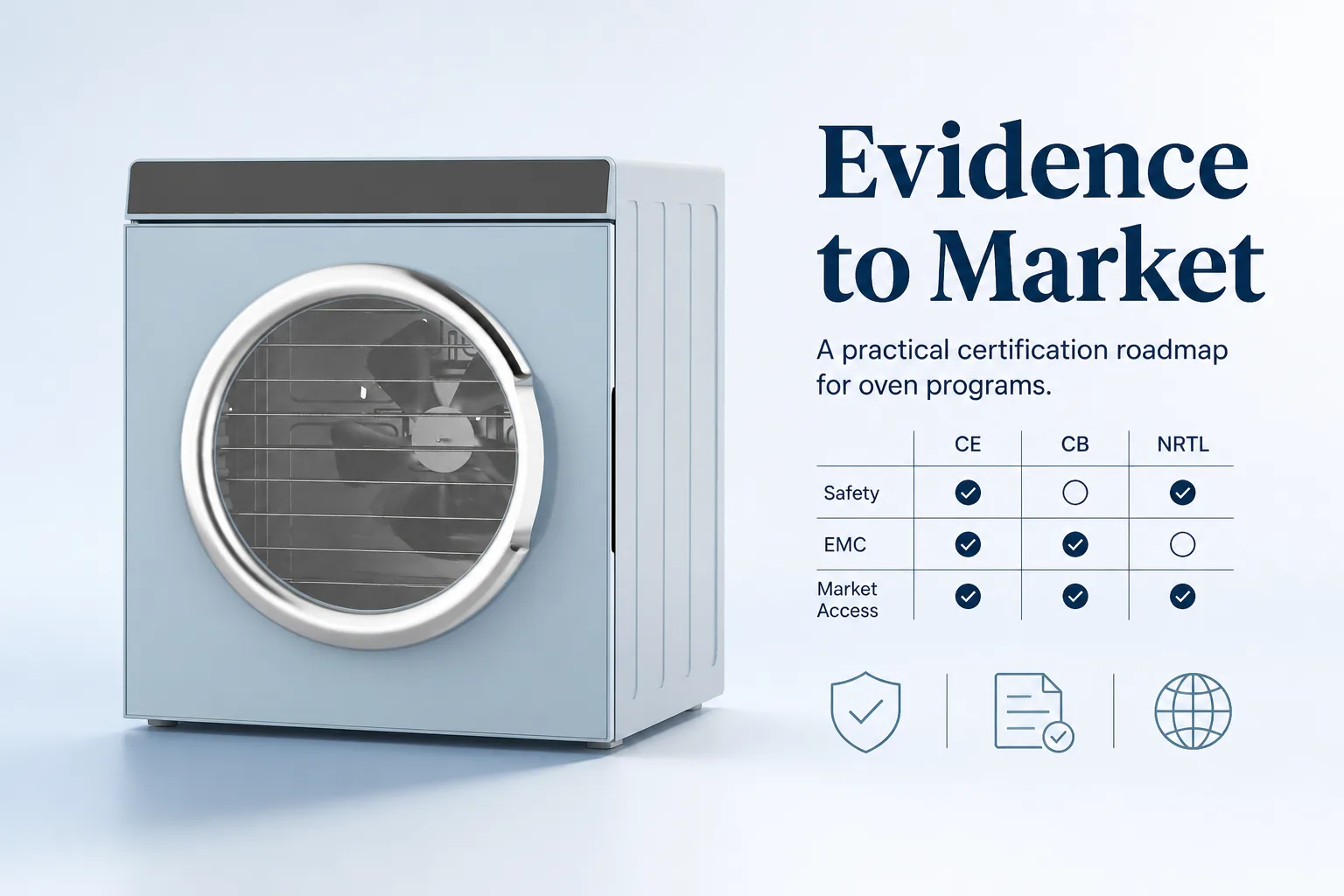
CE, CB and NRTL: A Practical Certification Roadmap for Oven Programs

CE marking, IECEE CB documents and US NRTL certification serve different legal and market functions. Plan the route by country and channel.

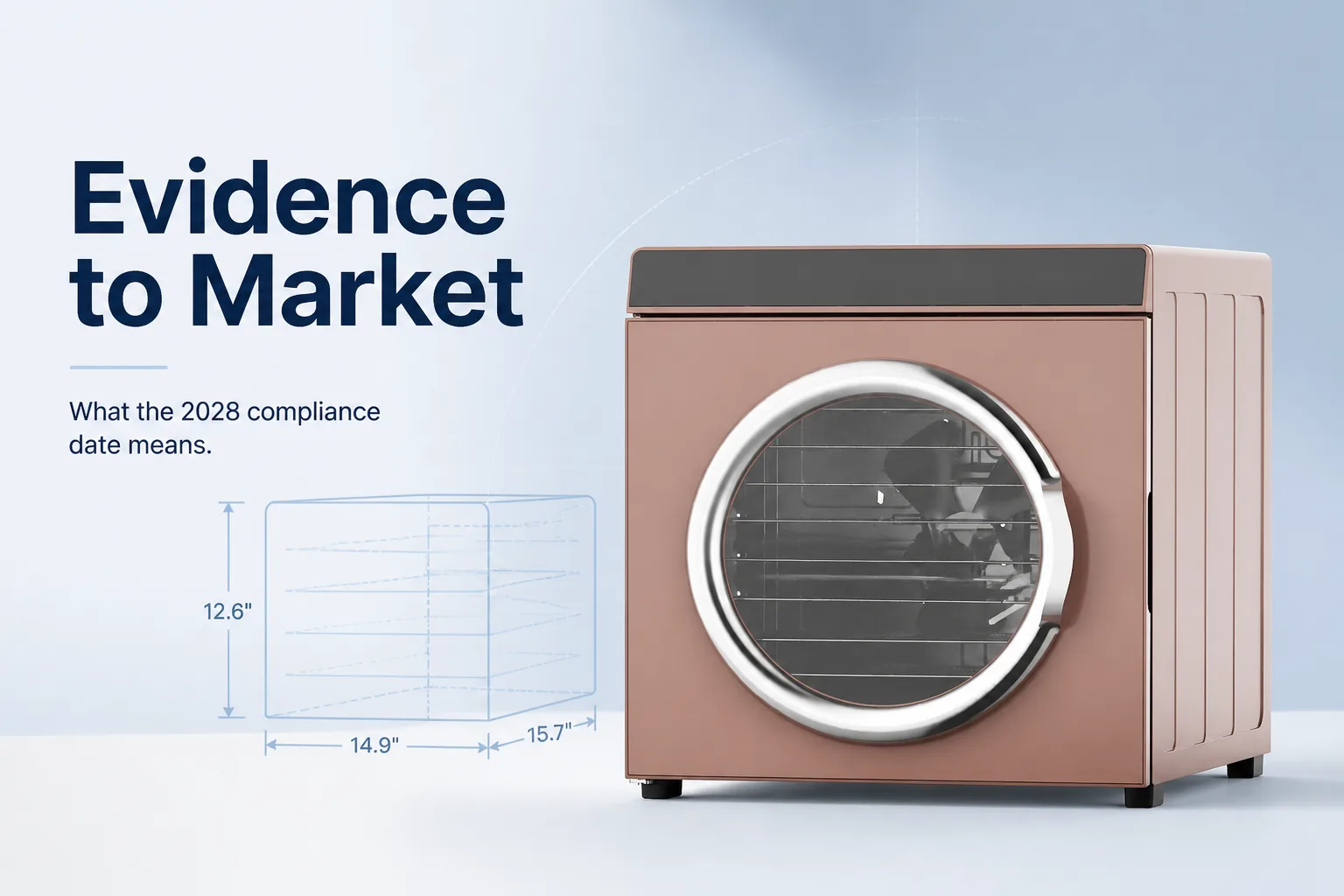
Blog cover: US DOE Cooking-Product Rules: What the 2028 Compliance Date Means
Compliance

US DOE Cooking-Product Rules: What the 2028 Compliance Date Means

DOE standards and test procedures apply by defined product class and scope. Buyers should map models early and preserve test evidence through launch.

Blog cover: EMC, RoHS and REACH: Three Different Compliance Questions for Electronic Ovens
Compliance

EMC, RoHS and REACH: Three Different Compliance Questions for Electronic Ovens

EMC concerns electromagnetic disturbance; RoHS restricts substances in electrical equipment; REACH governs chemicals more broadly. One report cannot replace all three.

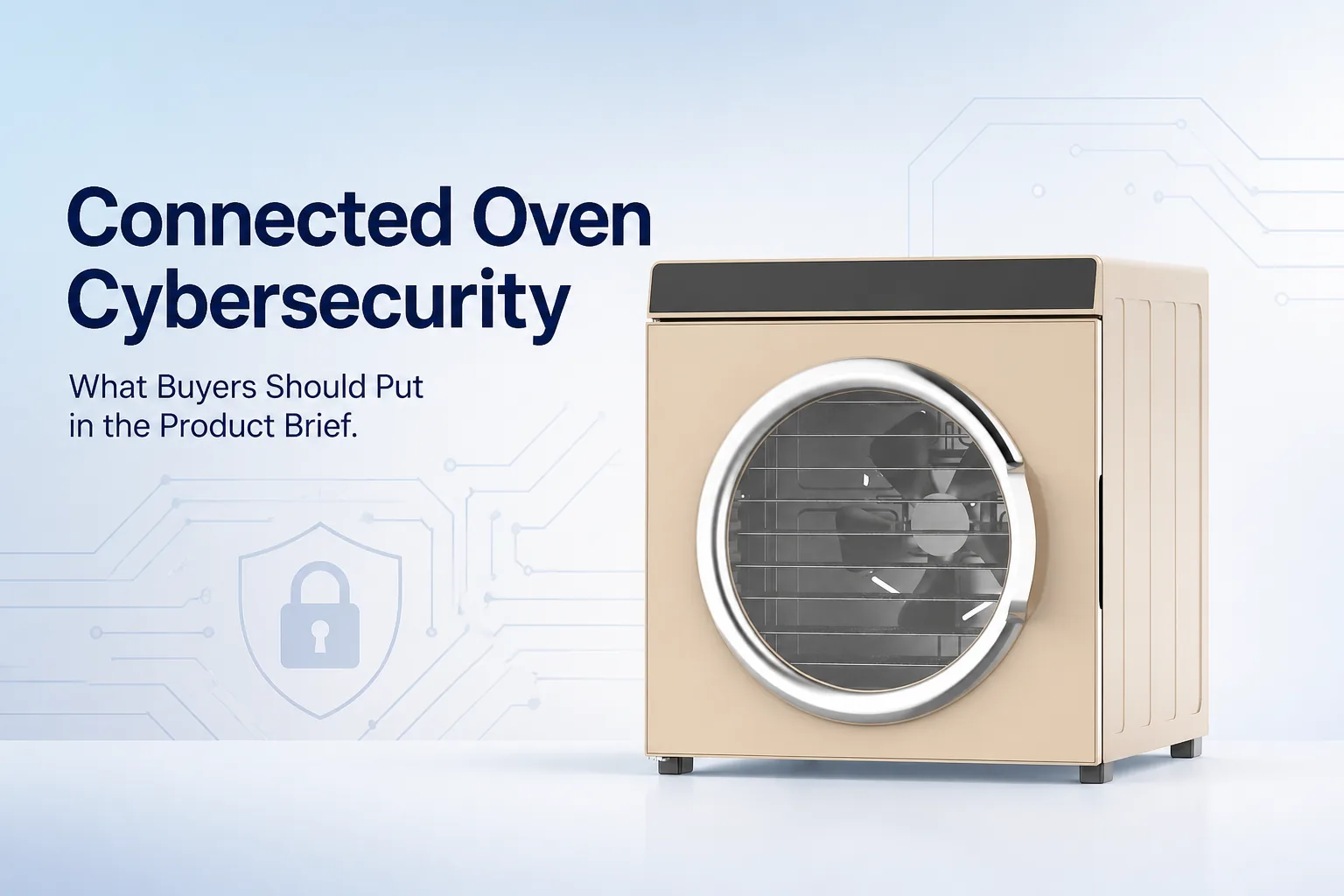
Blog cover: Connected Oven Cybersecurity: What Buyers Should Put in the Product Brief
Connected Products

Connected Oven Cybersecurity: What Buyers Should Put in the Product Brief

Security depends on the device, app, cloud service and update process. Define support periods, vulnerability handling and safe remote functions before nomination.

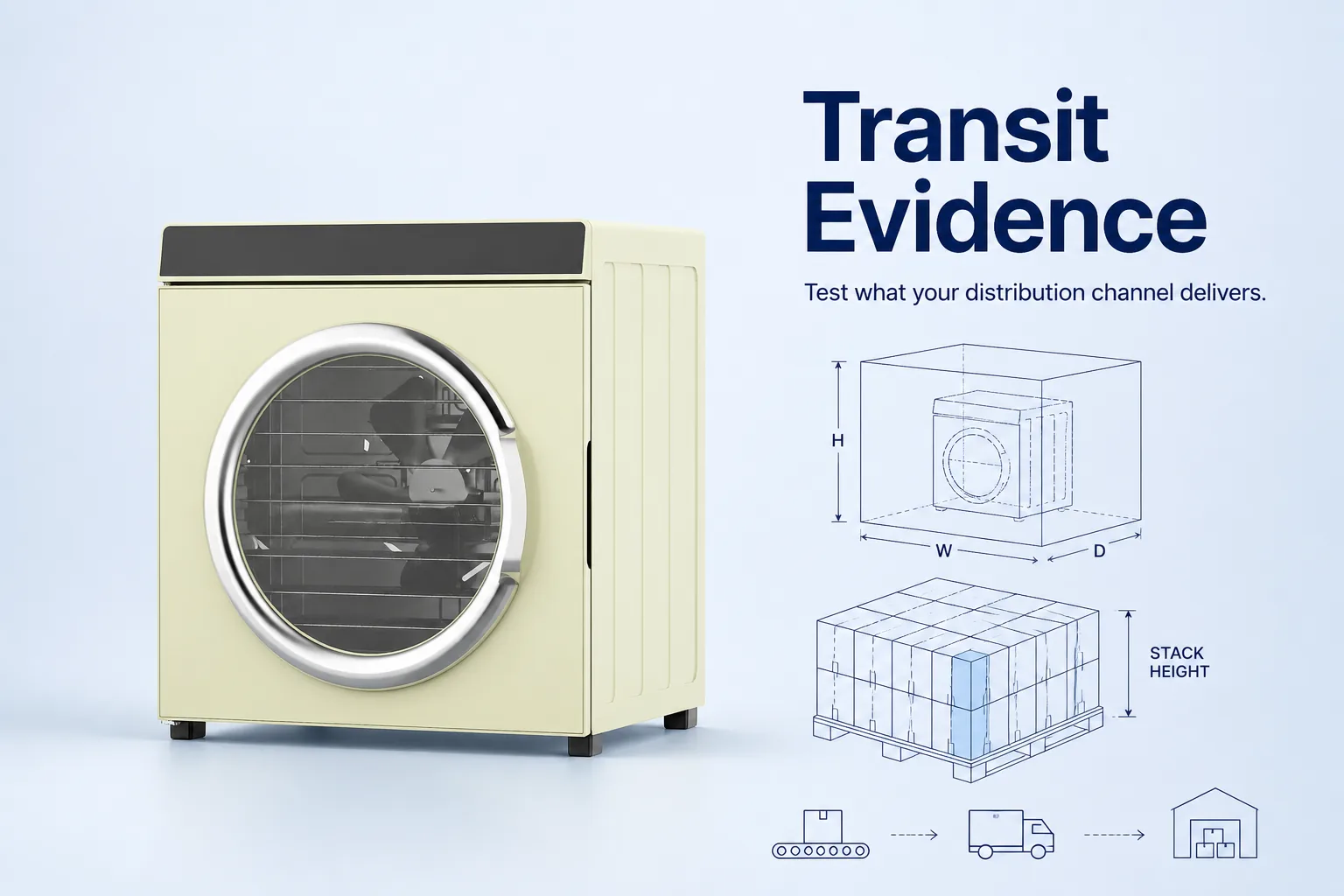
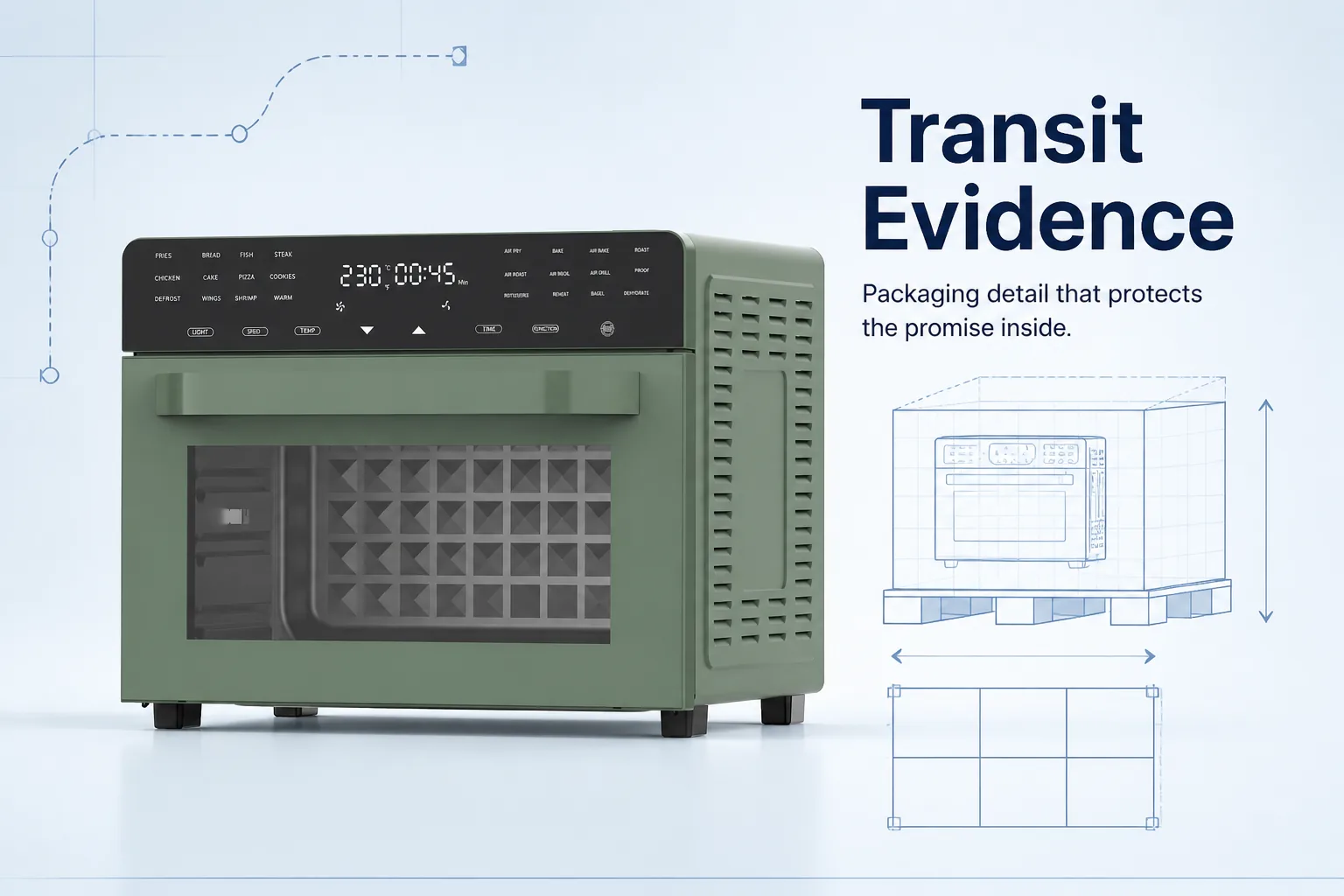
Blog cover: Glass-Door Oven Packaging: Building a Transit Test That Matches the Distribution Channel
Packaging & Logistics

Glass-Door Oven Packaging: Building a Transit Test That Matches the Distribution Channel

Packaging should be tested as a product-package system against the real parcel, LTL or unit-load channel—not with a generic drop claim.
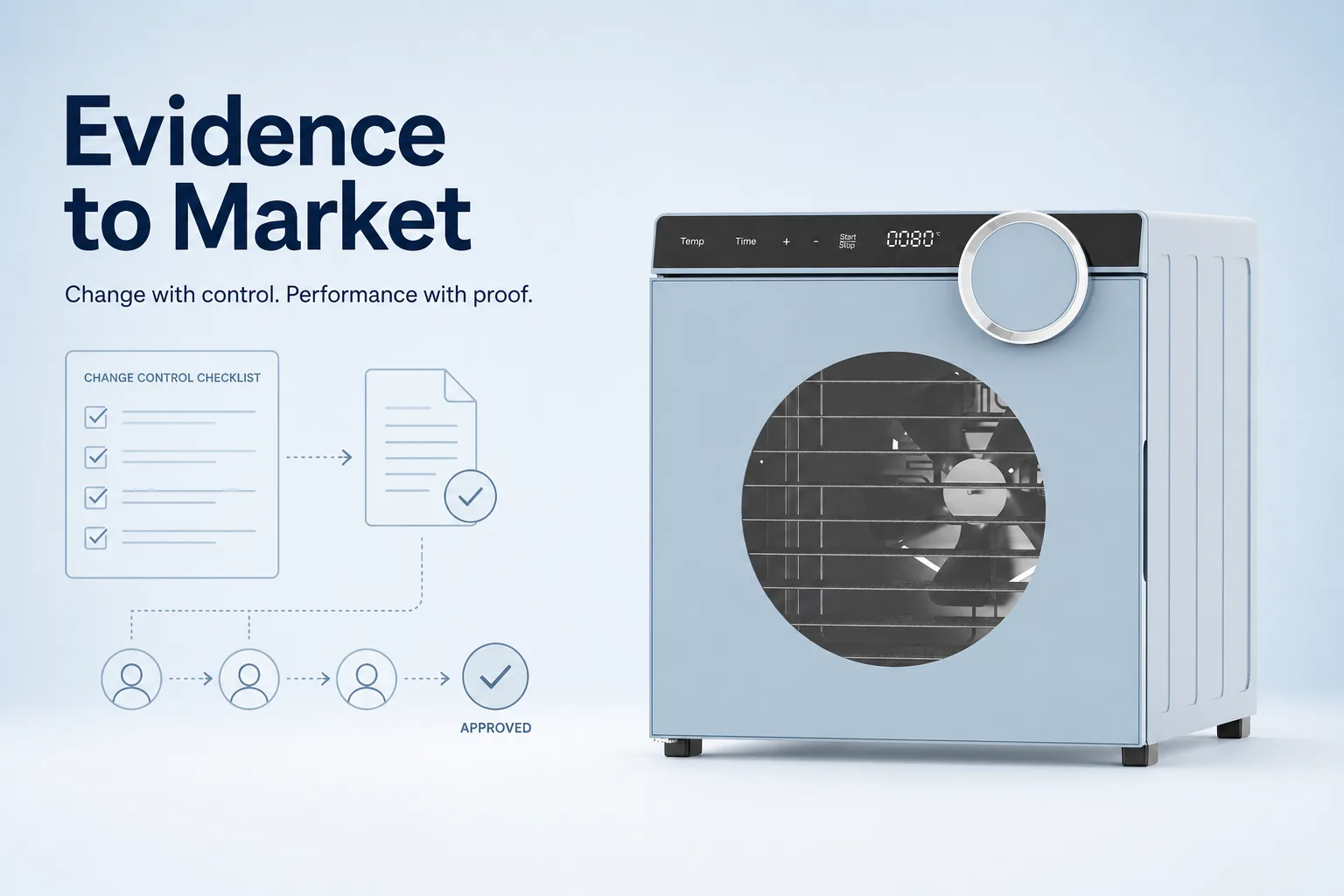
Blog cover: Supplier Change Control: Protecting Oven Performance After Approval
Quality Engineering

Supplier Change Control: Protecting Oven Performance After Approval

The approved sample is a configuration, not just a shape. Control component, material, process, firmware and factory changes through evidence-based approval.

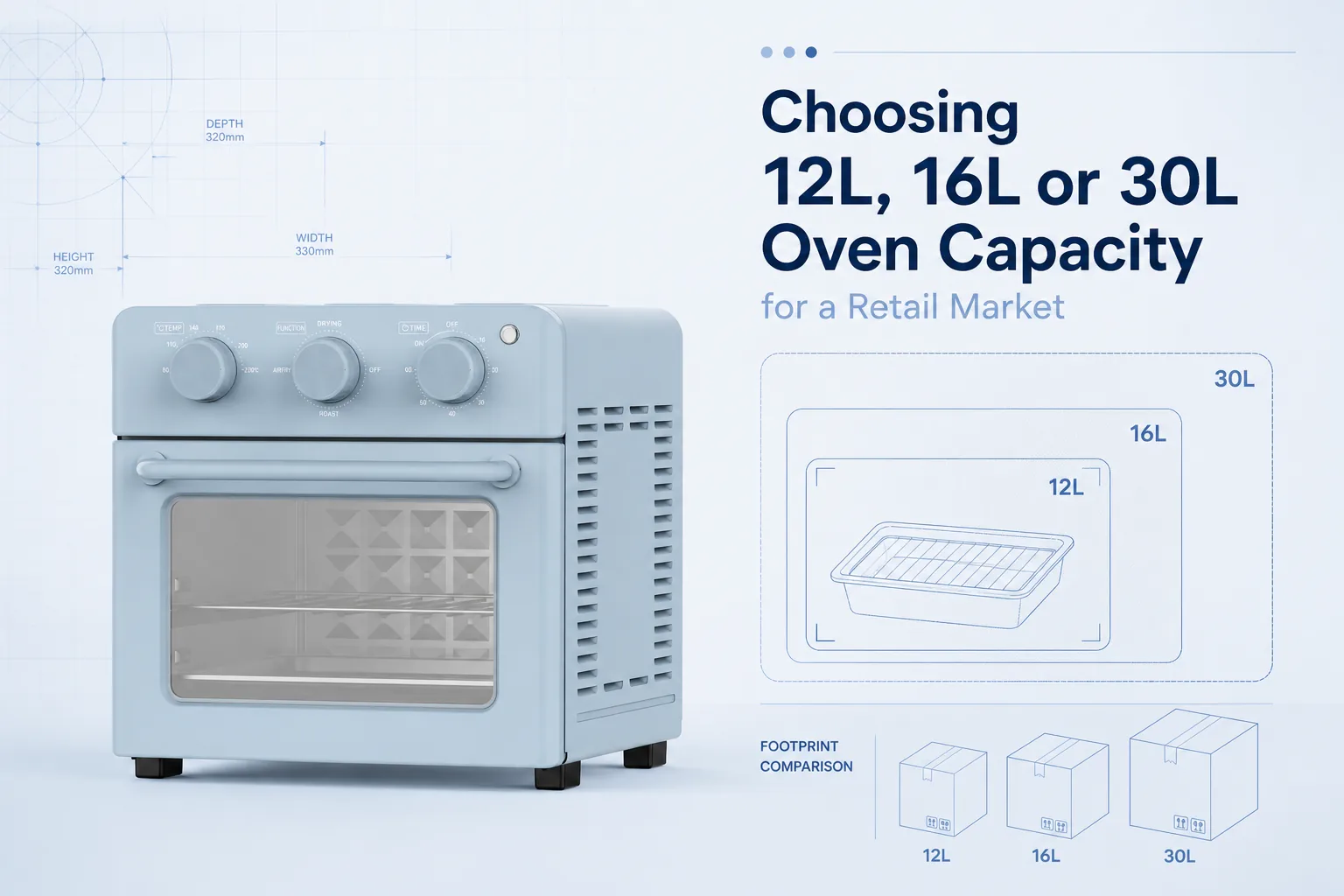
Blog cover: 12L, 16L or 30L: Choosing Air Fryer Oven Capacity for a Retail Market
Market & Assortment

12L, 16L or 30L: Choosing Air Fryer Oven Capacity for a Retail Market

A buyer-side method for matching stated litres to tray size, household use, shelf space, carton cost and channel position.

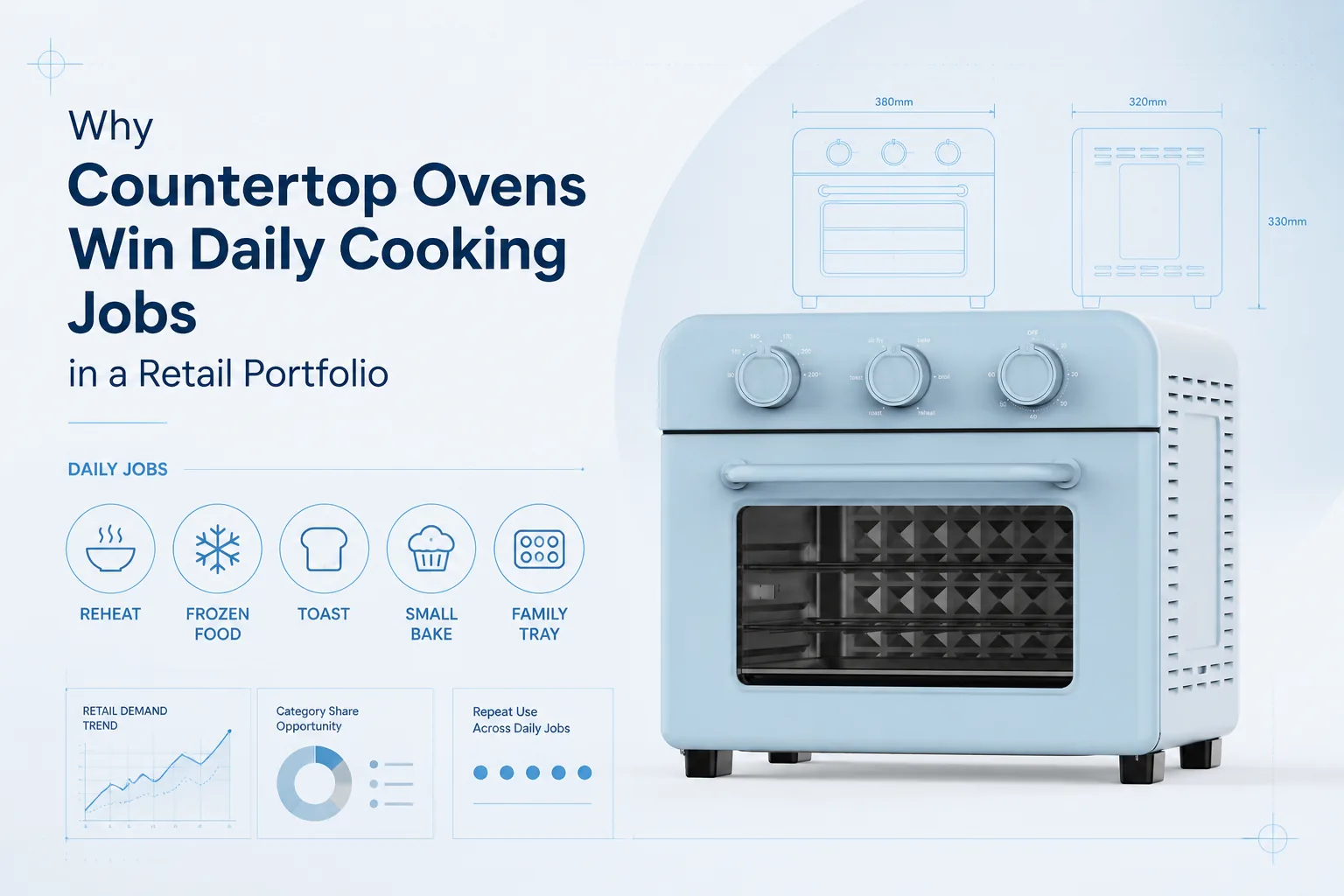
Blog cover: Why Countertop Ovens Win Daily Cooking Jobs: A Retail Portfolio View
Market & Assortment

Why Countertop Ovens Win Daily Cooking Jobs: A Retail Portfolio View

A grounded way to assess the daily jobs that make a countertop oven useful without repeating unsupported trend claims.

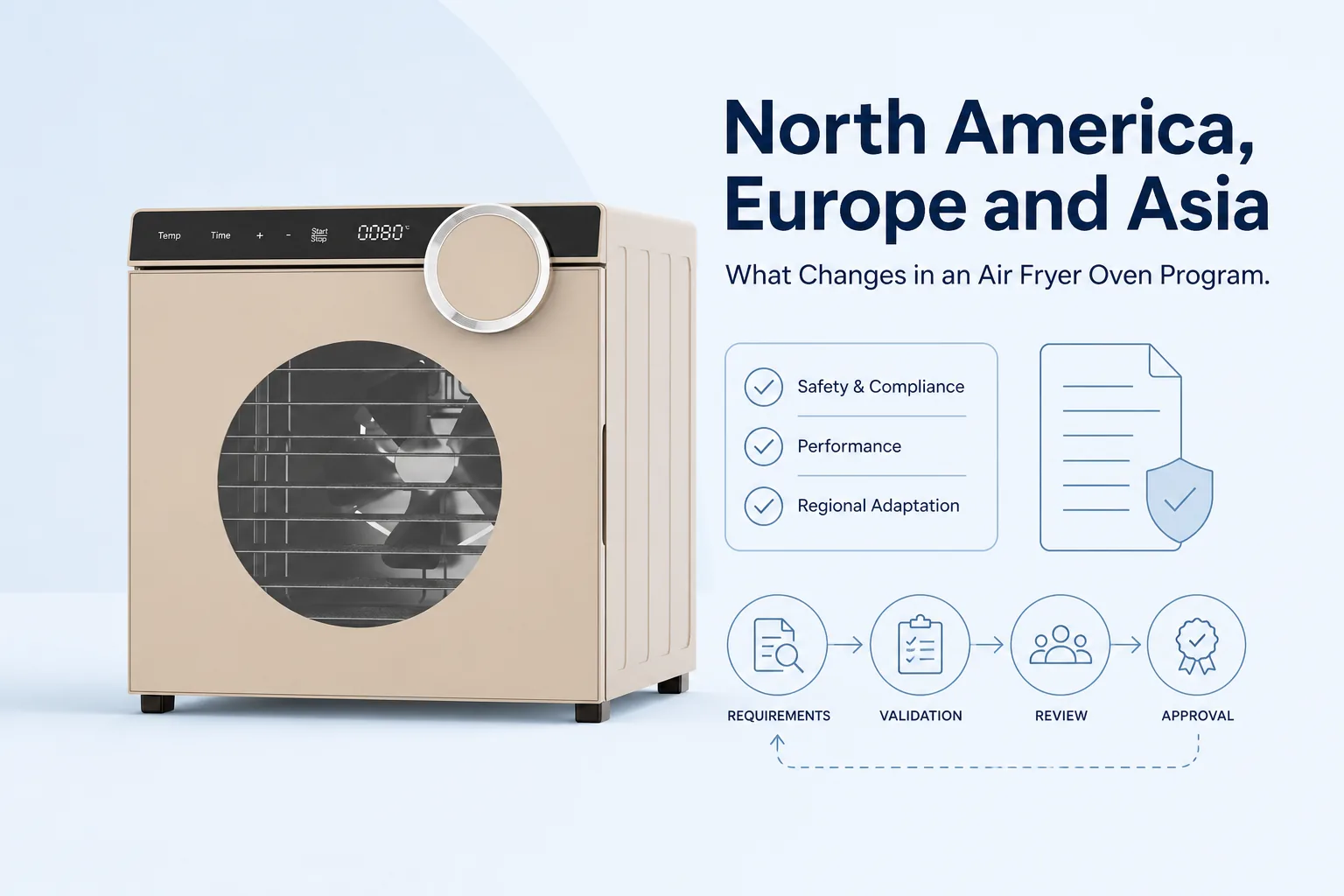
Blog cover: North America, Europe and Asia: What Changes in an Air Fryer Oven Program
Market Entry

North America, Europe and Asia: What Changes in an Air Fryer Oven Program

Voltage, plugs, documentation, certification and channel expectations that should be resolved before one platform is sold across regions.

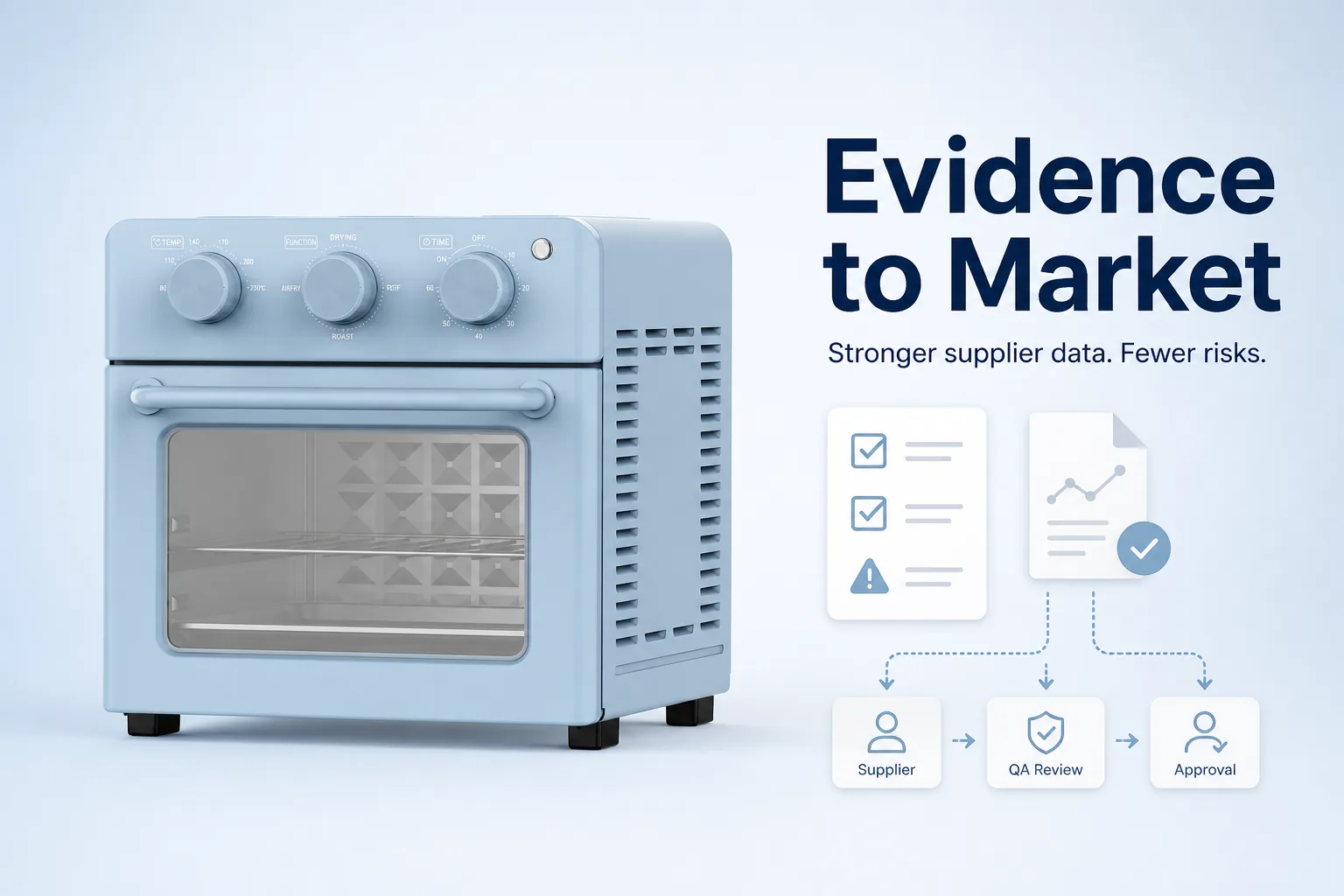
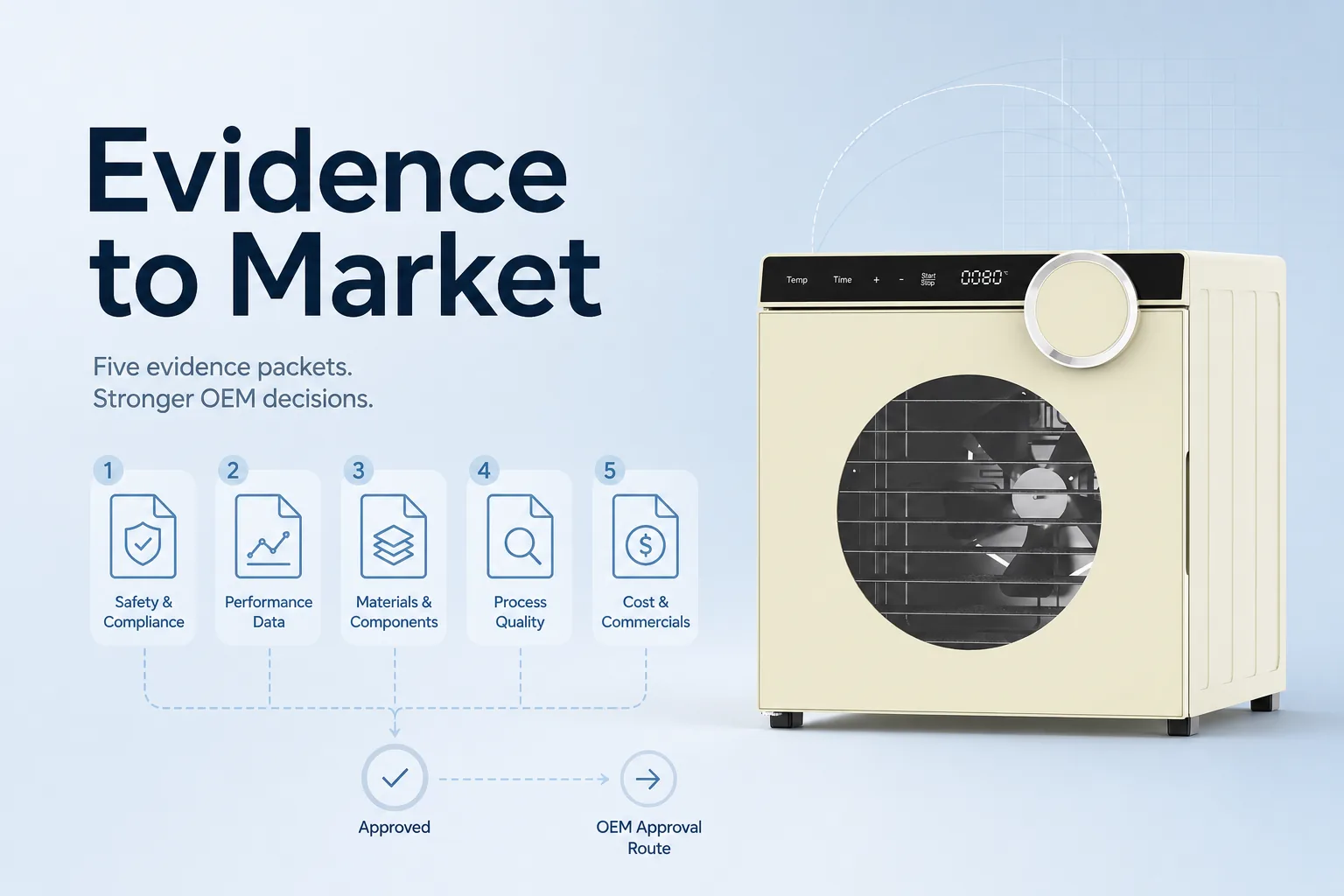
Blog cover: The Five Evidence Packets to Request Before Nominating an Air Fryer Oven OEM
Supplier Qualification

The Five Evidence Packets to Request Before Nominating an Air Fryer Oven OEM

A focused evidence review for product ownership, process control, validation, compliance and delivery readiness.

Blog cover: When 199.8°C Passes and 200.2°C Fails: Measurement Uncertainty in Supplier Reports
Laboratory Practice

When 199.8°C Passes and 200.2°C Fails: Measurement Uncertainty in Supplier Reports

A result close to a limit is not self-explanatory. Buyers need the measurement uncertainty and the decision rule before treating a laboratory report as a clear pass or fail.

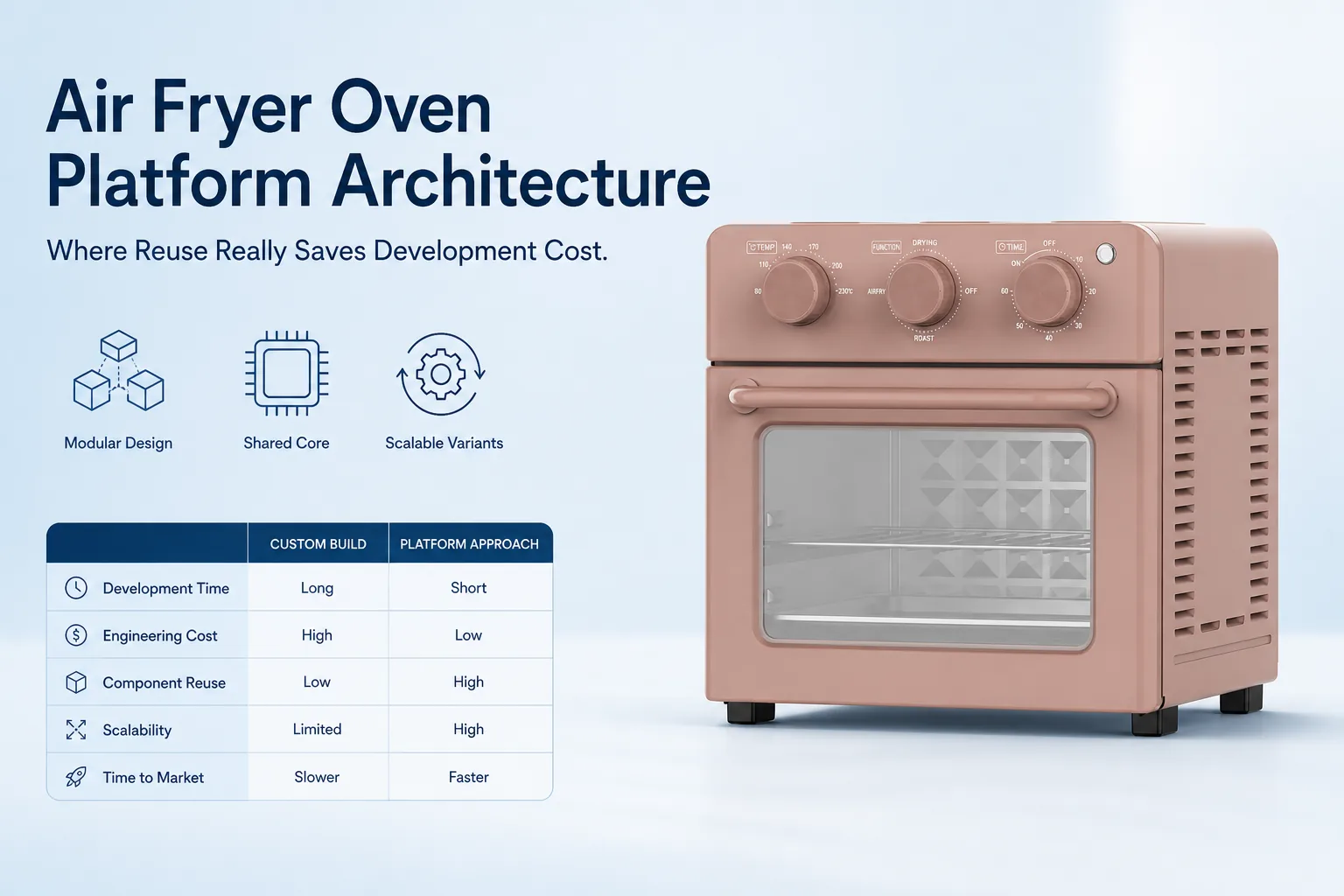
Blog cover: Air Fryer Oven Platform Architecture: Where Reuse Really Saves Development Cost
Product Strategy

Air Fryer Oven Platform Architecture: Where Reuse Really Saves Development Cost

A transparent cost model for deciding which parts, tests and tooling can be shared across a product family.

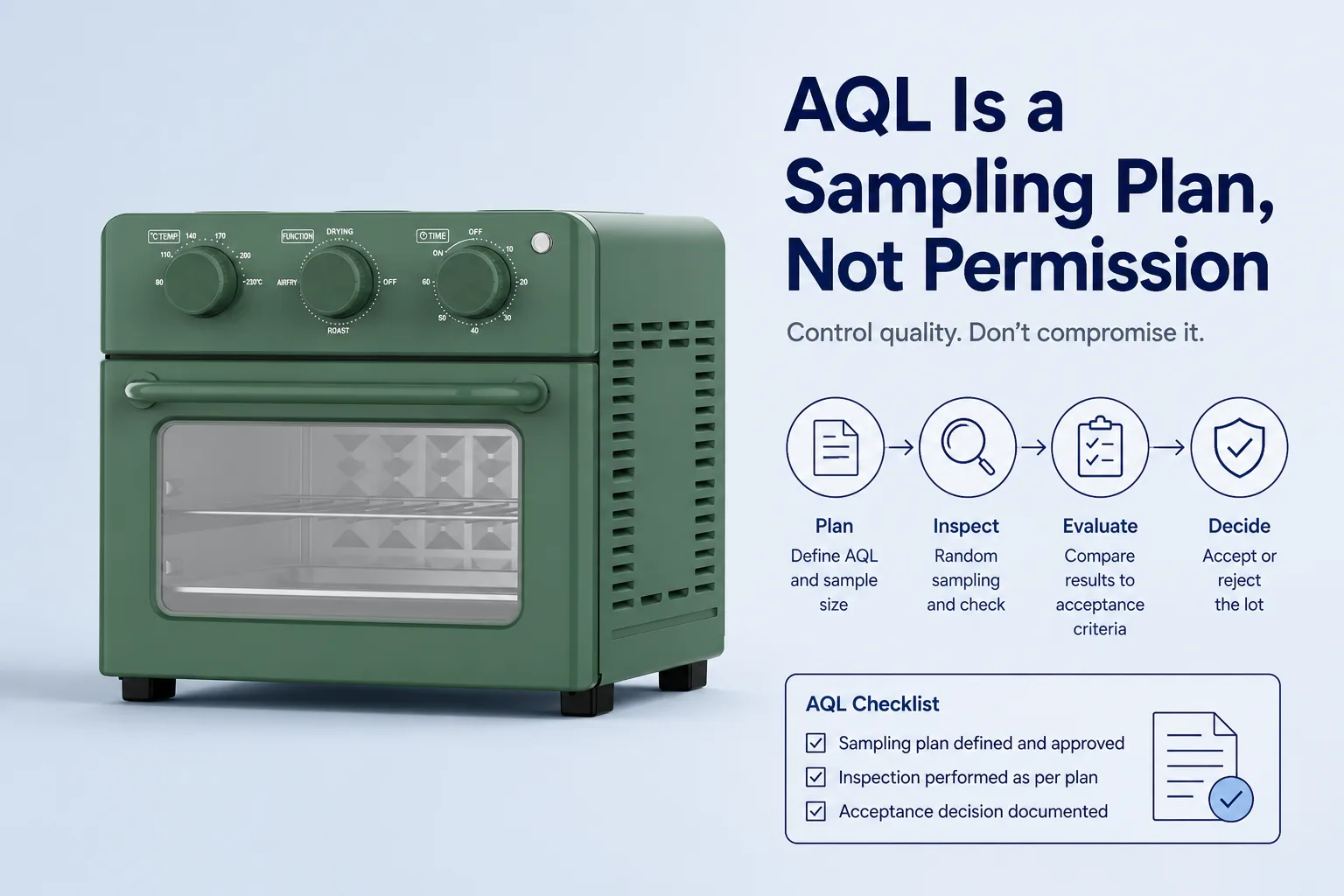
Blog cover: AQL Is a Sampling Plan, Not Permission to Ship Defects
Supplier Quality

AQL Is a Sampling Plan, Not Permission to Ship Defects

Acceptance sampling helps decide whether to accept a lot. It does not promise that every shipped unit is good, and it should not replace controls for safety-critical characteristics.

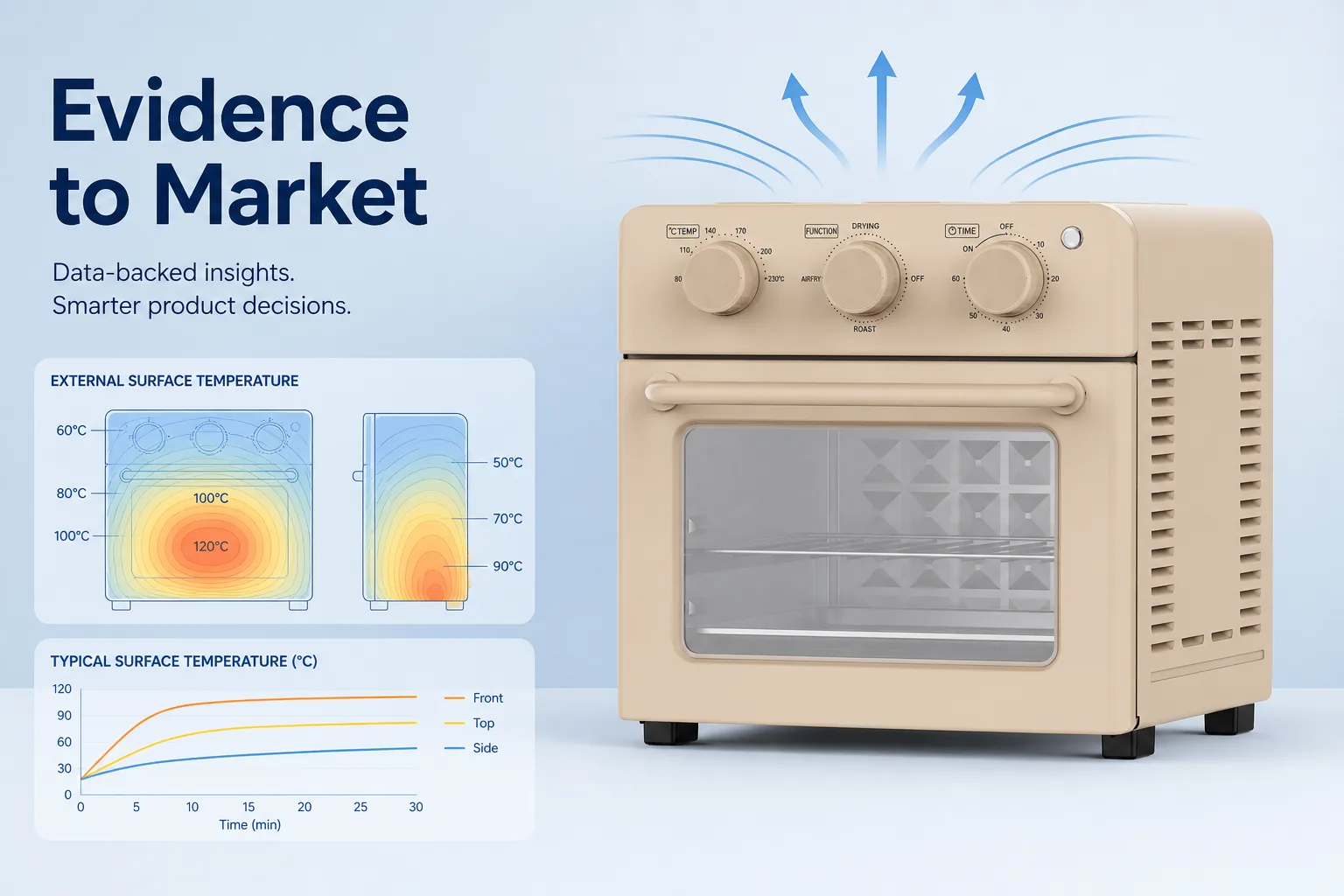
Blog cover: How Air Fryer Ovens Control External Surface Temperature
Thermal Engineering

How Air Fryer Ovens Control External Surface Temperature

The heat paths, measurements and production controls behind a cooler-touch countertop oven enclosure.

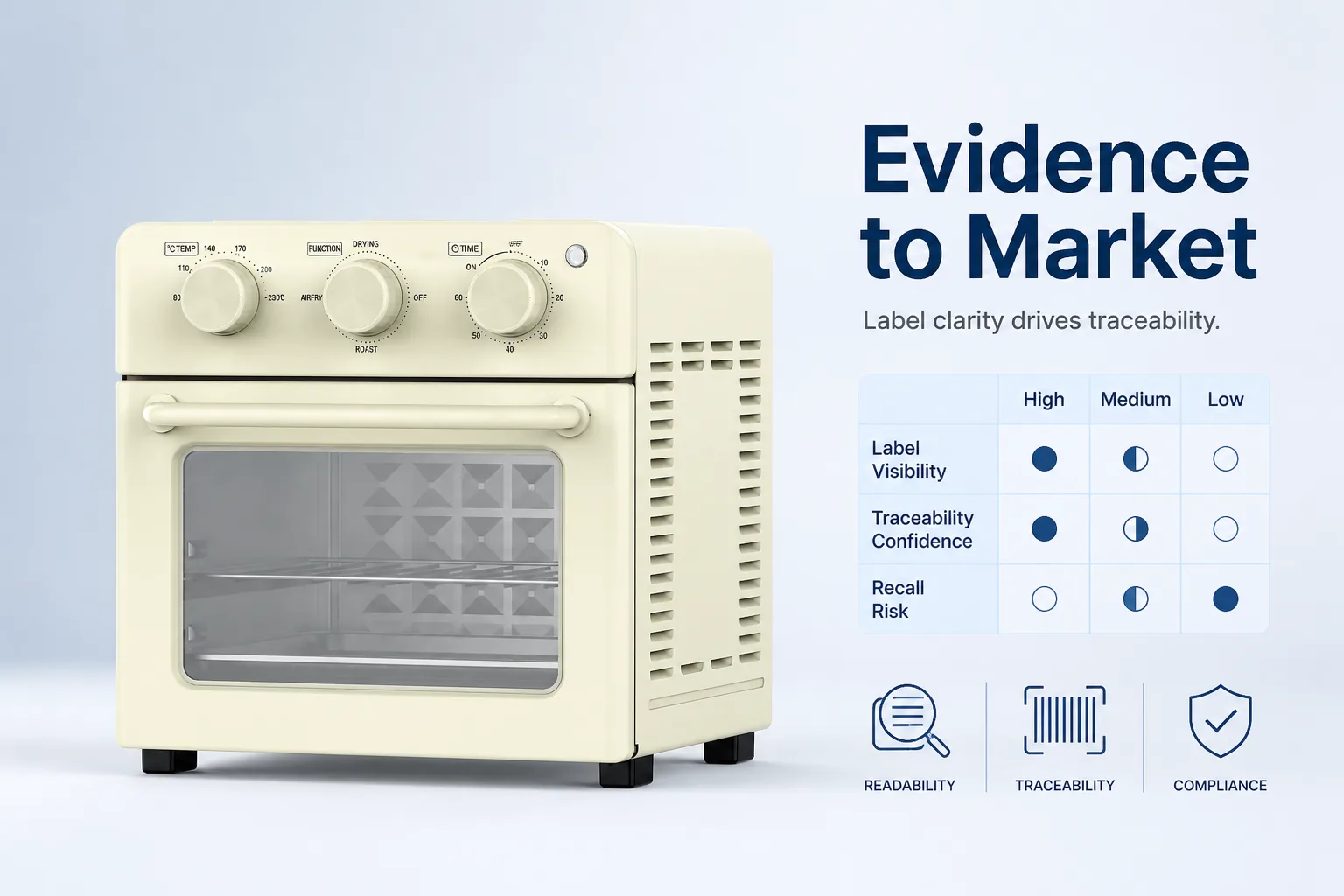
Blog cover: If the Rating Label Fades, Traceability Fades With It
Product Compliance

If the Rating Label Fades, Traceability Fades With It

A rating label must do more than look correct at shipment. Product identity, electrical ratings and economic-operator information need to remain legible through heat, cleaning and service.

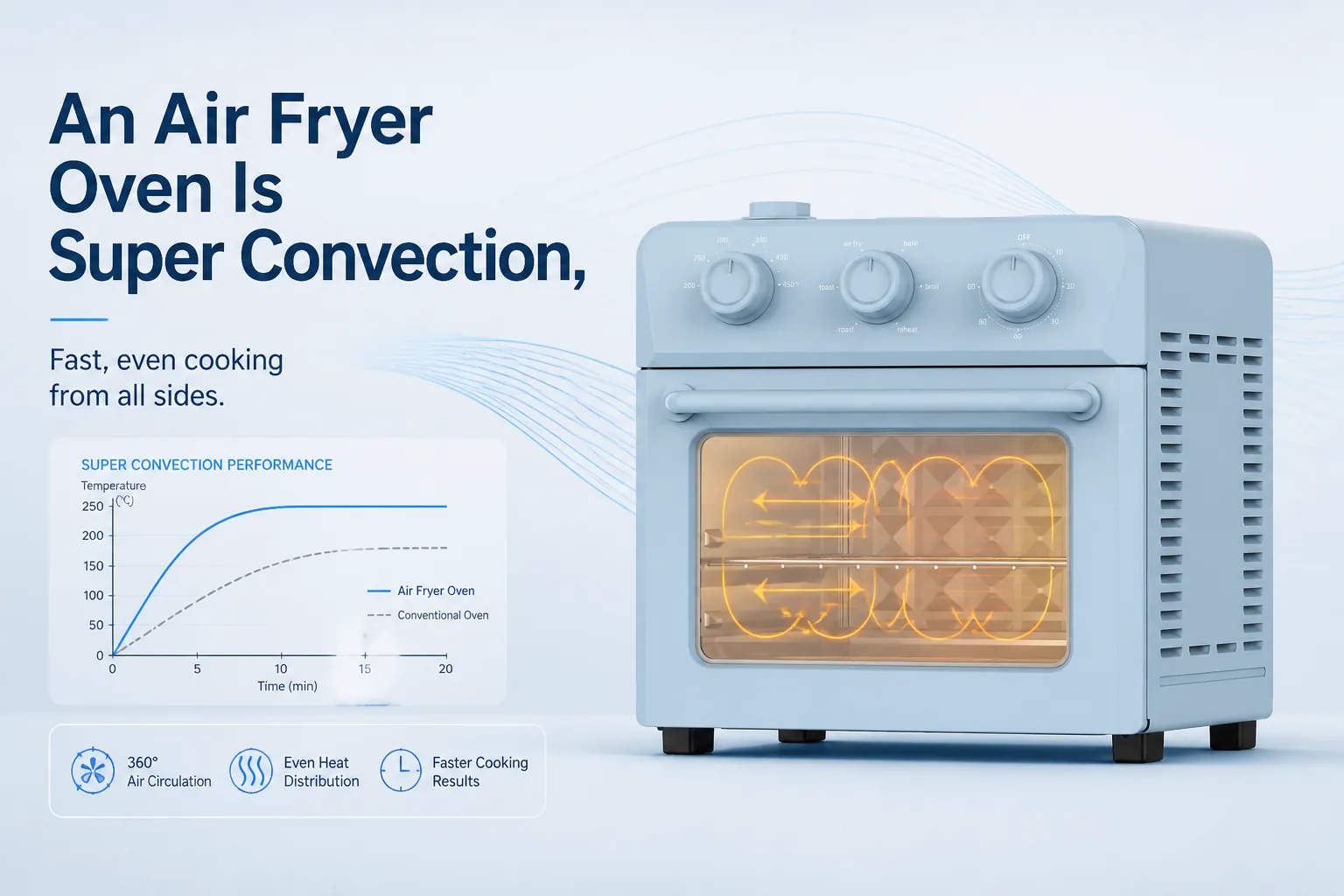
Blog cover: An Air Fryer Oven Is Super Convection, Not Deep Frying
Performance Fundamentals

An Air Fryer Oven Is Super Convection, Not Deep Frying

A technically accurate explanation of high-velocity convection and the evidence needed for crisping claims.

Blog cover: Container Sweat: The Quiet Cause of Rust, Soft Cartons and Dead Displays
Logistics Engineering

Container Sweat: The Quiet Cause of Rust, Soft Cartons and Dead Displays

Long sea voyages create daily temperature swings. Moisture from pallets, cartons and humid loading air can condense inside a container and damage ovens before the cartons are opened.

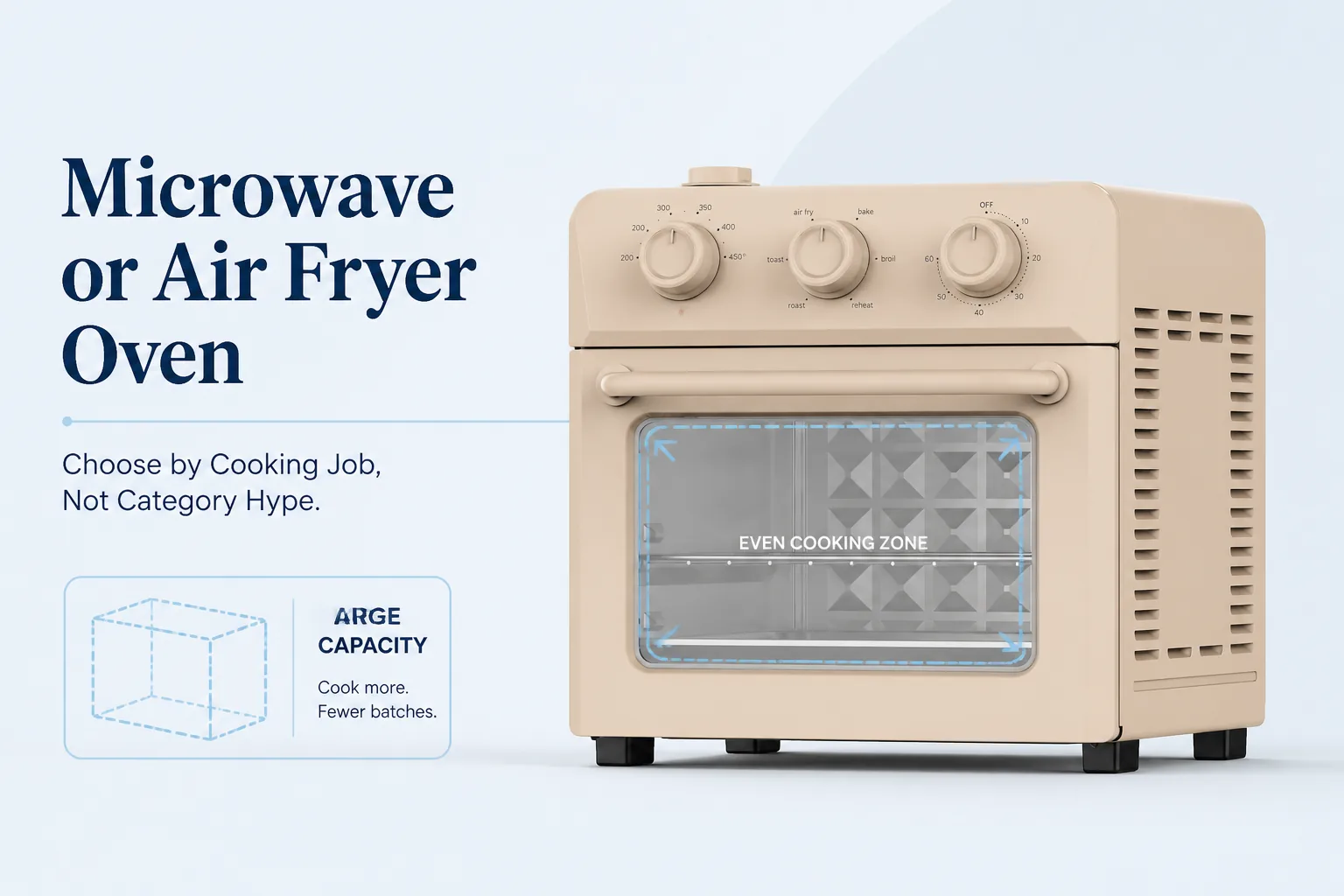
Blog cover: Microwave or Air Fryer Oven? Choose by Cooking Job, Not Category Hype
Market & Assortment

Microwave or Air Fryer Oven? Choose by Cooking Job, Not Category Hype

A retailer-oriented comparison of speed, browning, vessel compatibility, cleaning and customer expectations.

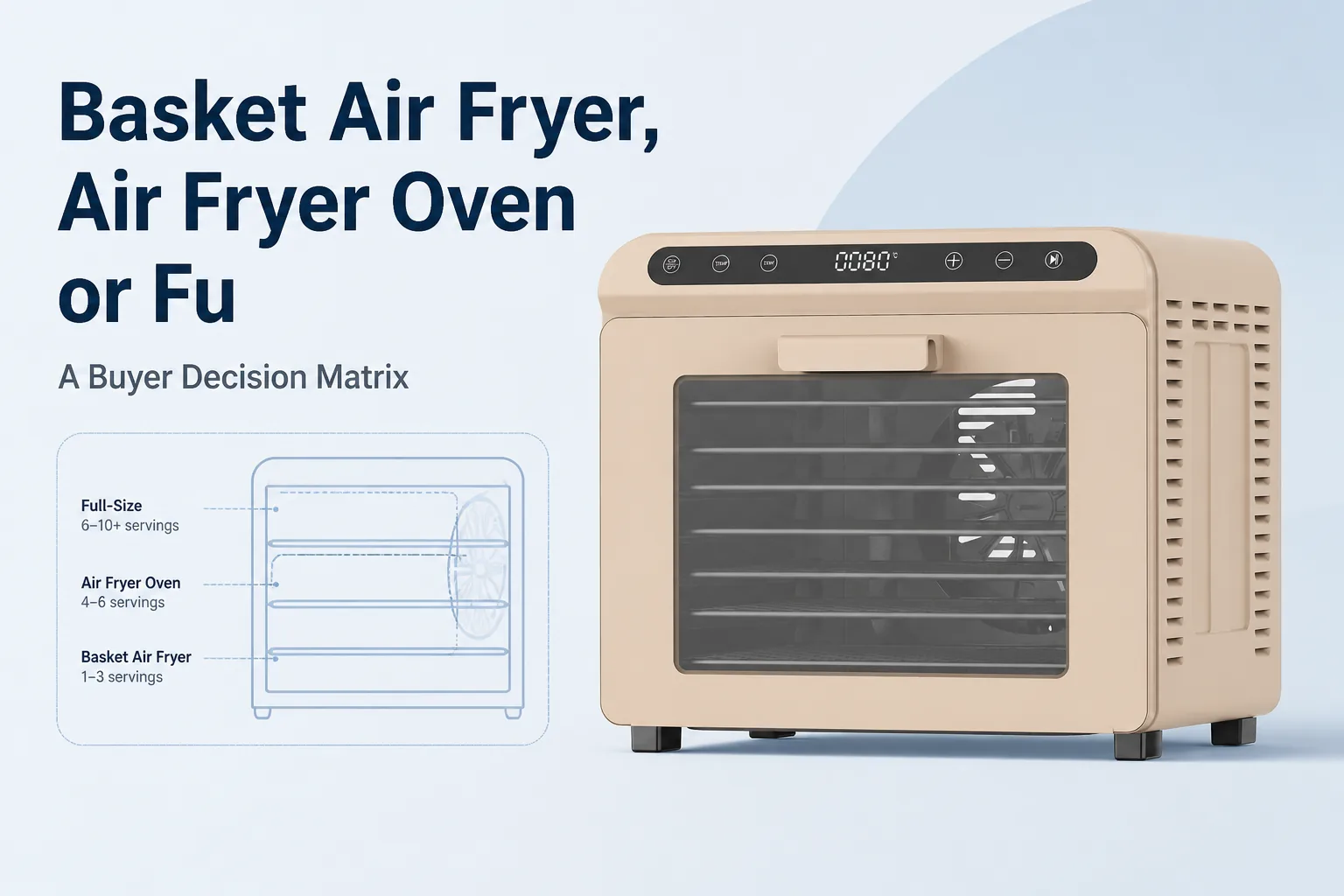
Blog cover: Basket Air Fryer, Air Fryer Oven or Full-Size Oven: A Buyer Decision Matrix
Market & Assortment

Basket Air Fryer, Air Fryer Oven or Full-Size Oven: A Buyer Decision Matrix

A channel-ready framework comparing batch shape, functions, counter space, throughput and cleaning.

Blog cover: One Loose Terminal Can Outrun a Good Safety Certificate
Production Engineering

One Loose Terminal Can Outrun a Good Safety Certificate

A certified design still depends on repeatable assembly. Terminal preparation, tightening torque and tool verification can decide whether a high-current oven connection stays cool in service.

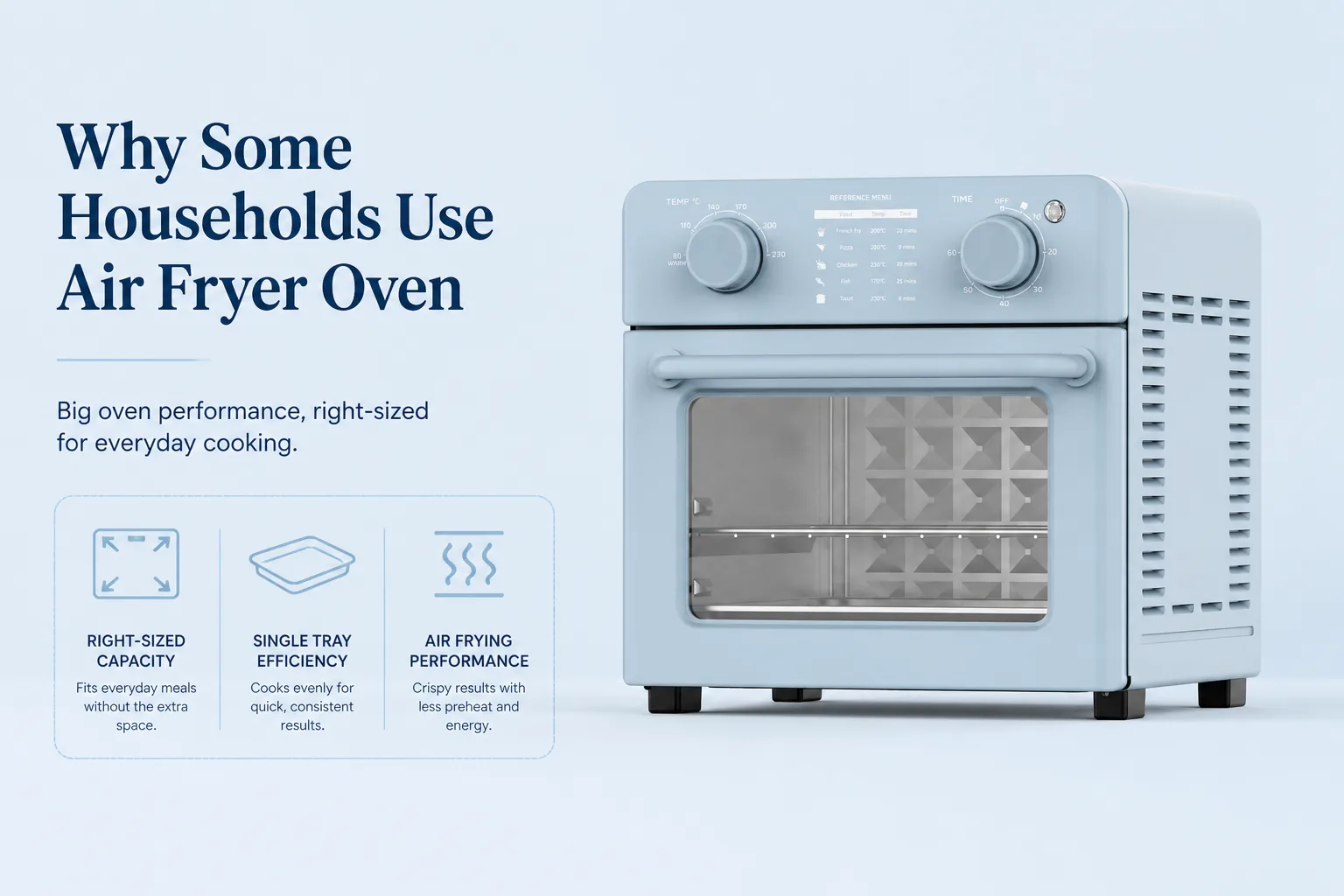
Blog cover: Why Some Households Use Air Fryer Ovens Instead of Full-Size Ovens
Consumer Insight

Why Some Households Use Air Fryer Ovens Instead of Full-Size Ovens

A claim-by-claim review of speed, energy, crisping and convenience for product and retail teams.

Blog cover: Air Fryer Oven vs Regular Oven: How to Run a Fair Performance Comparison
Performance Validation

Air Fryer Oven vs Regular Oven: How to Run a Fair Performance Comparison

A repeatable protocol for comparing warm-up, cycle energy, food result, noise and usable capacity.

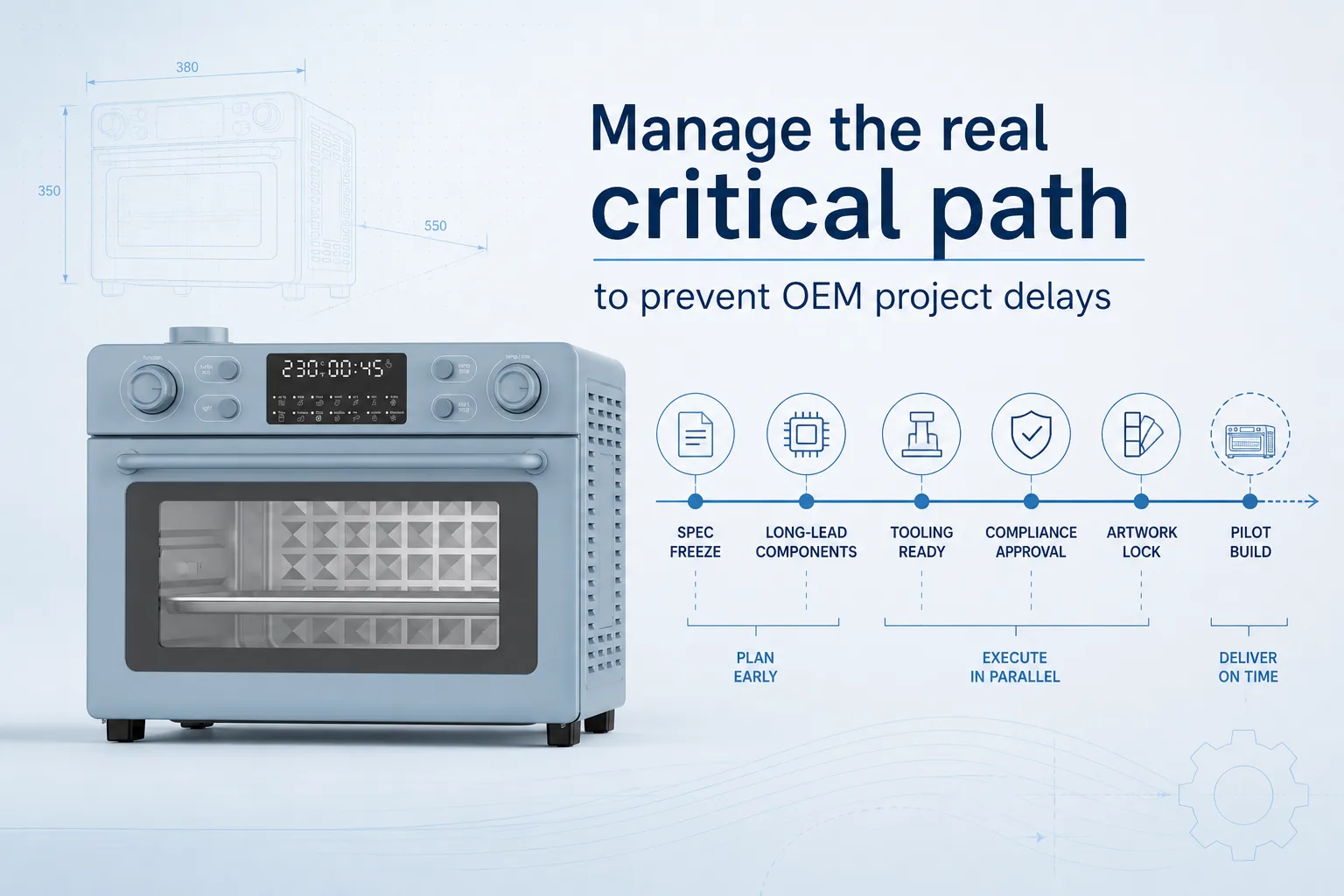
Blog cover: Stop OEM Appliance Project Delays by Managing the Real Critical Path
Program Management

Stop OEM Appliance Project Delays by Managing the Real Critical Path

A practical gate plan for specifications, long-lead parts, tooling, compliance, artwork and pilot readiness.

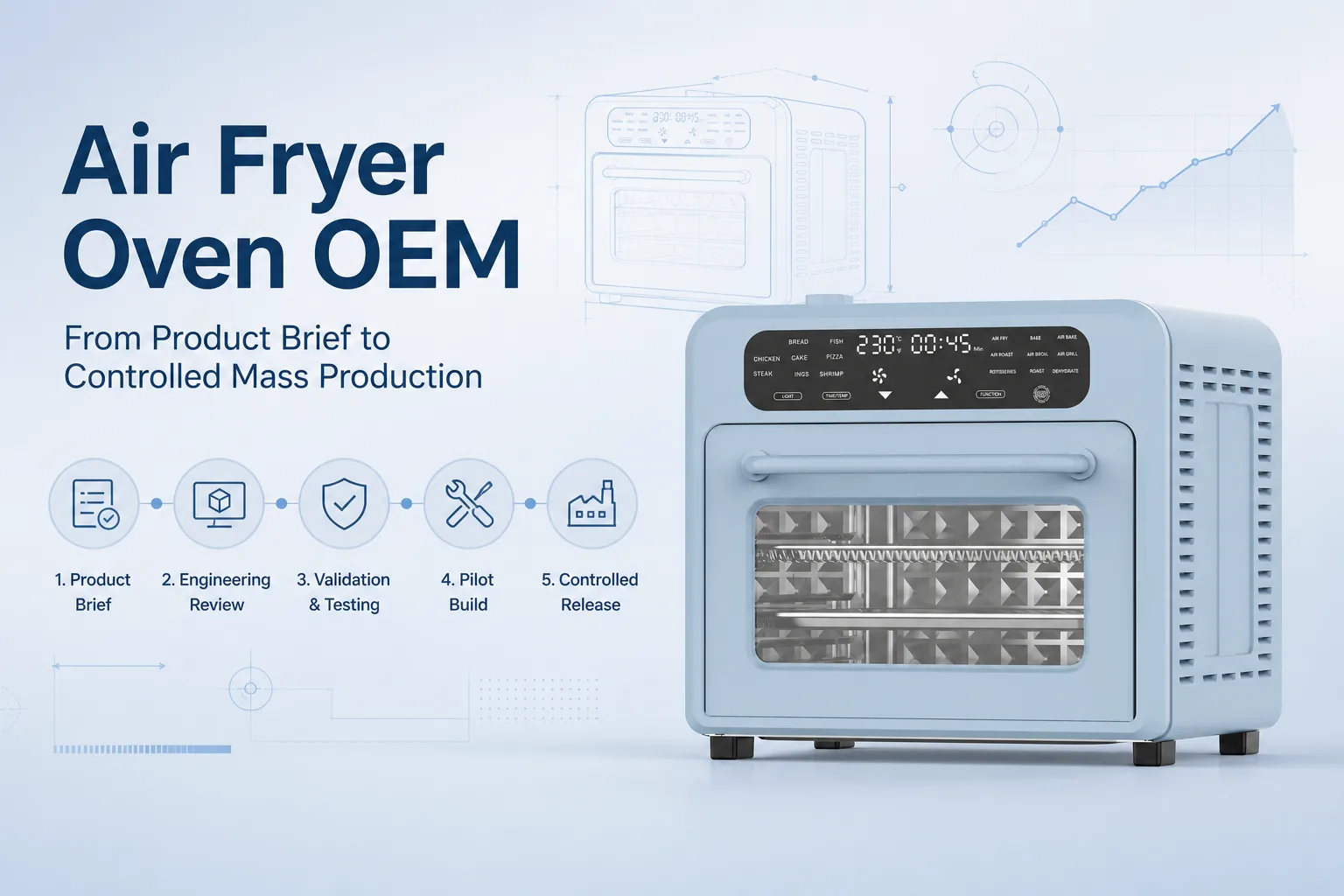
Blog cover: Air Fryer Oven OEM: From Product Brief to Controlled Mass Production
Program Management

Air Fryer Oven OEM: From Product Brief to Controlled Mass Production

The deliverables and approval gates that turn a concept sample into a repeatable commercial product.

Blog cover: Prototype, Certification Sample or Pilot Build? Give Each Sample a Job
Project Management

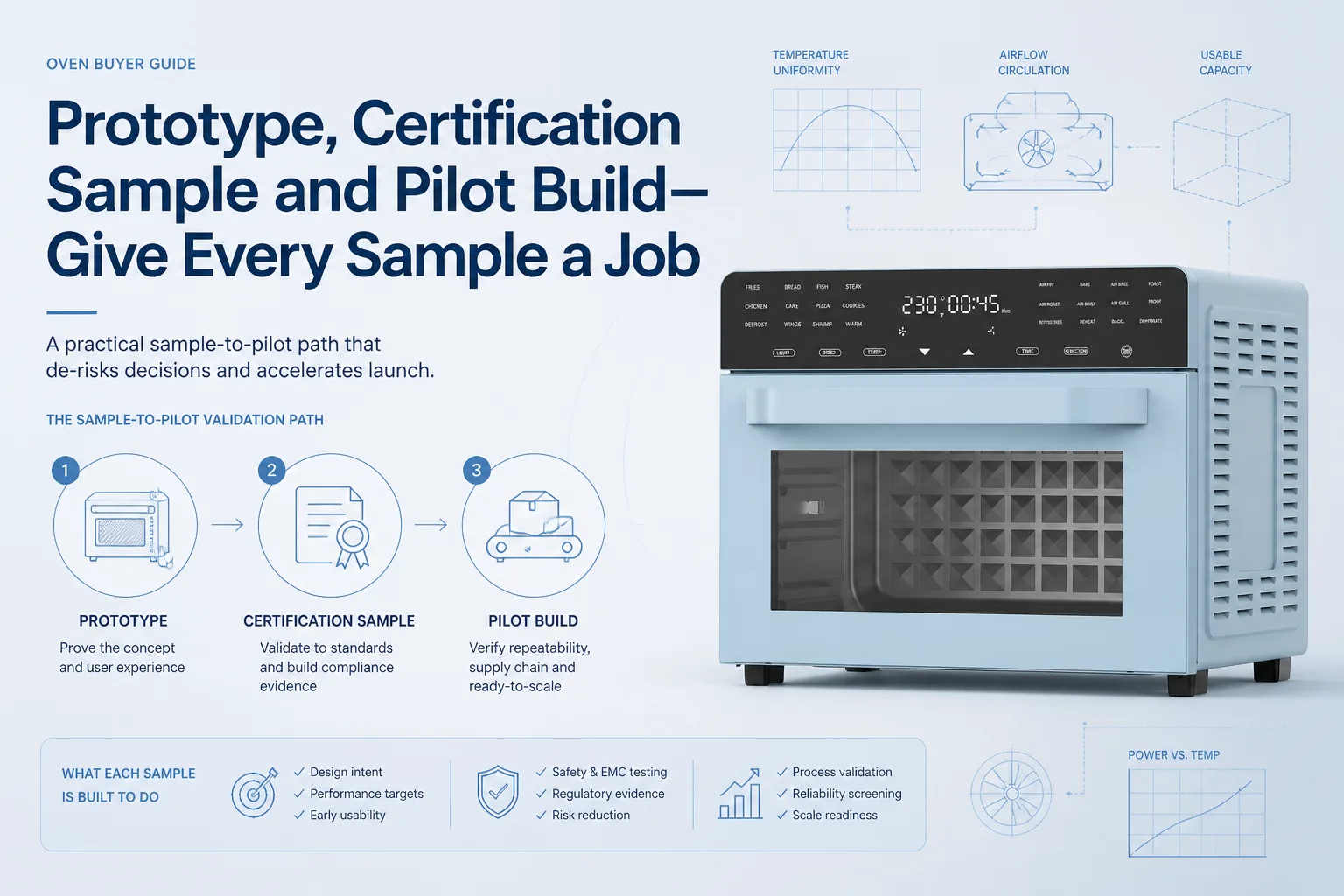
Prototype, Certification Sample or Pilot Build? Give Each Sample a Job

Sample rounds become expensive when every unit is expected to prove everything. A staged approval plan assigns a clear question and exit criterion to each build.

Blog cover: Heating Element Layout: The Geometry Behind Air Fryer Oven Performance
Thermal Engineering

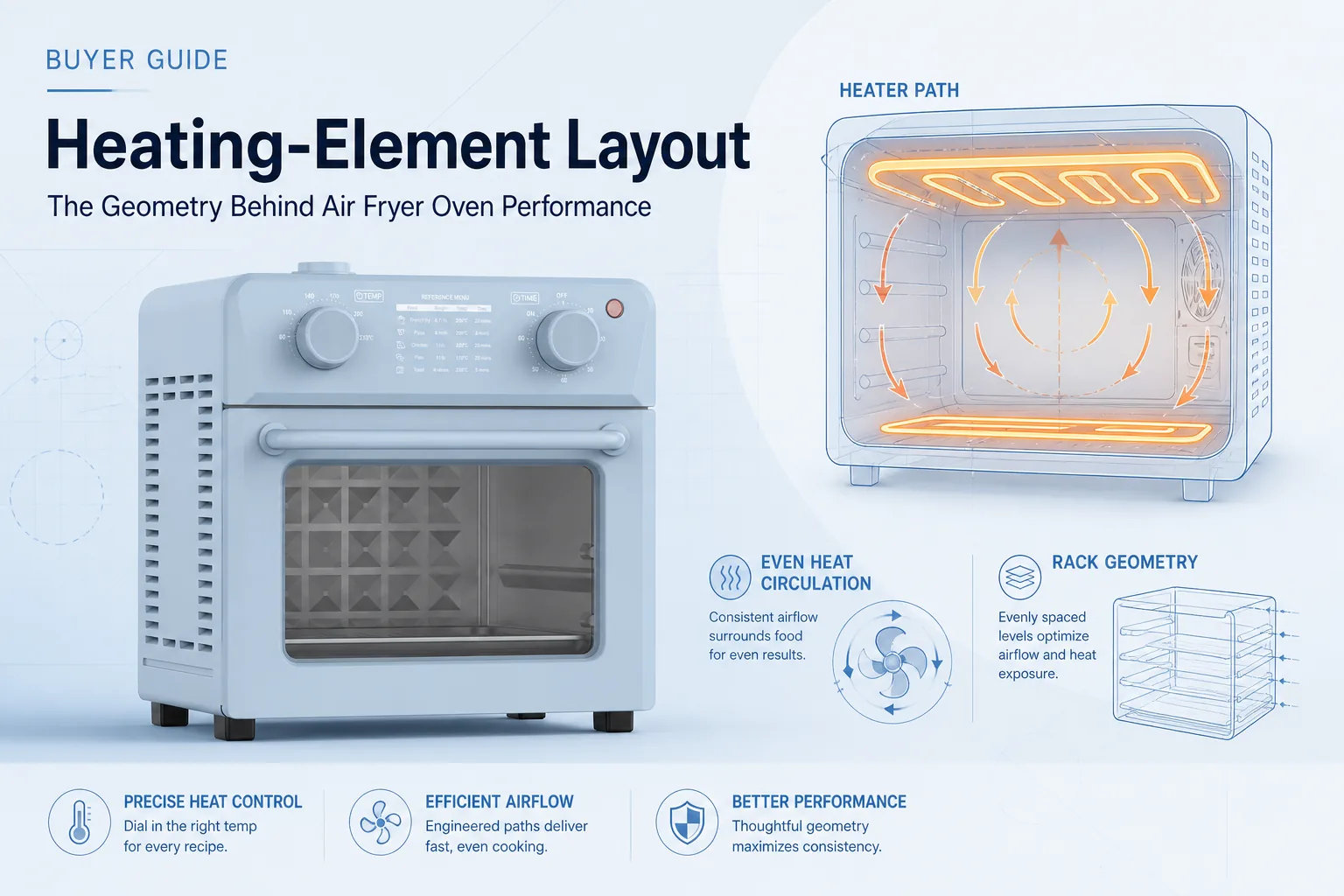
Heating Element Layout: The Geometry Behind Air Fryer Oven Performance

How element position, shielding, airflow and rack geometry shape warm-up, browning and durability.

Blog cover: MOQ Is a Cost Structure, Not Just a Factory Rule
Supply Chain

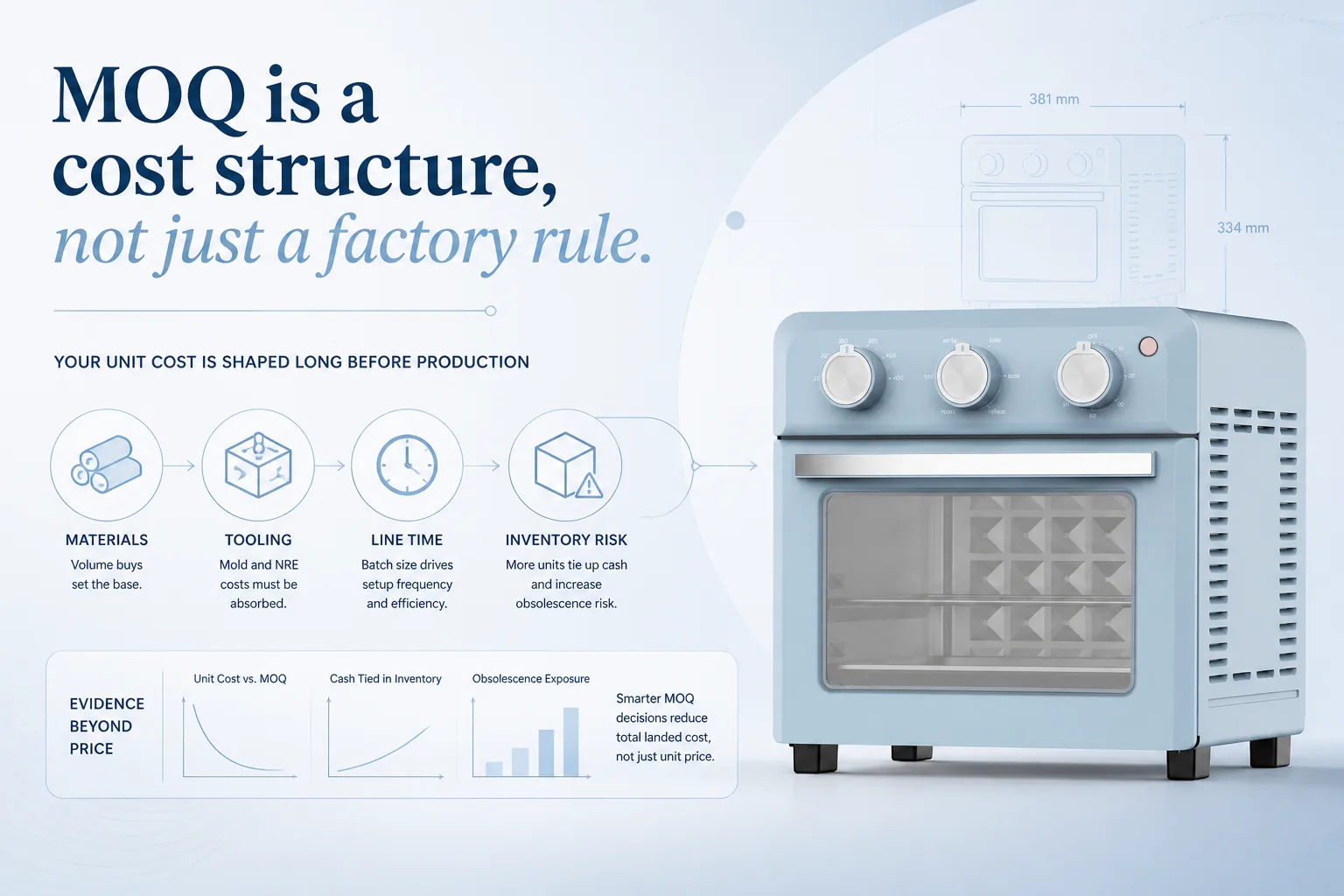
MOQ Is a Cost Structure, Not Just a Factory Rule

An oven MOQ usually comes from several different constraints. Separating them helps buyers negotiate the right variable instead of asking for one unexplained number to disappear.

Blog cover: Low Surface Temperature: Why It Matters Beyond a Laboratory Pass
Safety & Compliance

Low Surface Temperature: Why It Matters Beyond a Laboratory Pass

How external temperature affects instructions, retailer acceptance, materials, misuse risk and field complaints.

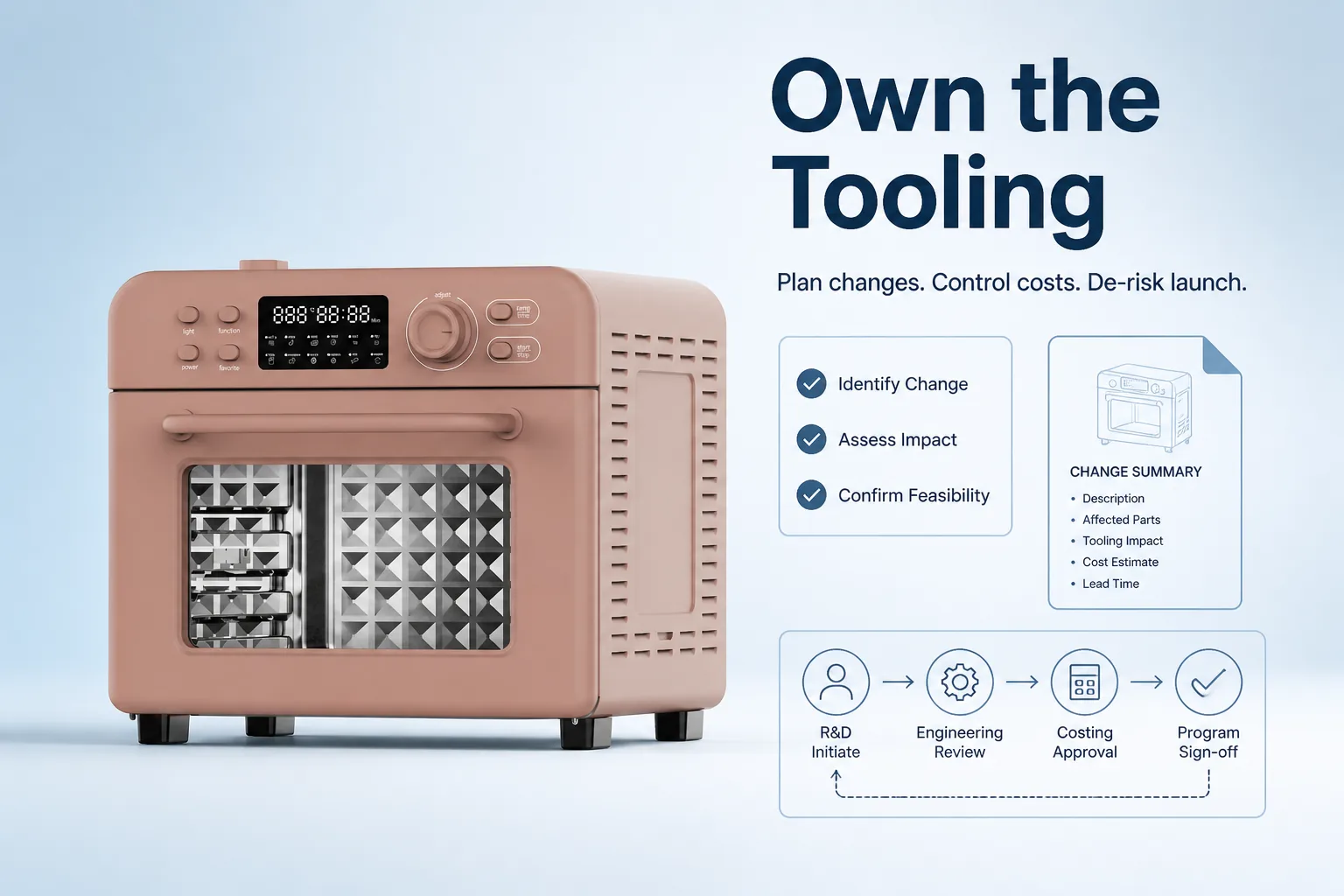
Blog cover: Who Owns the Tooling? Questions to Settle Before You Pay
IP & Tooling

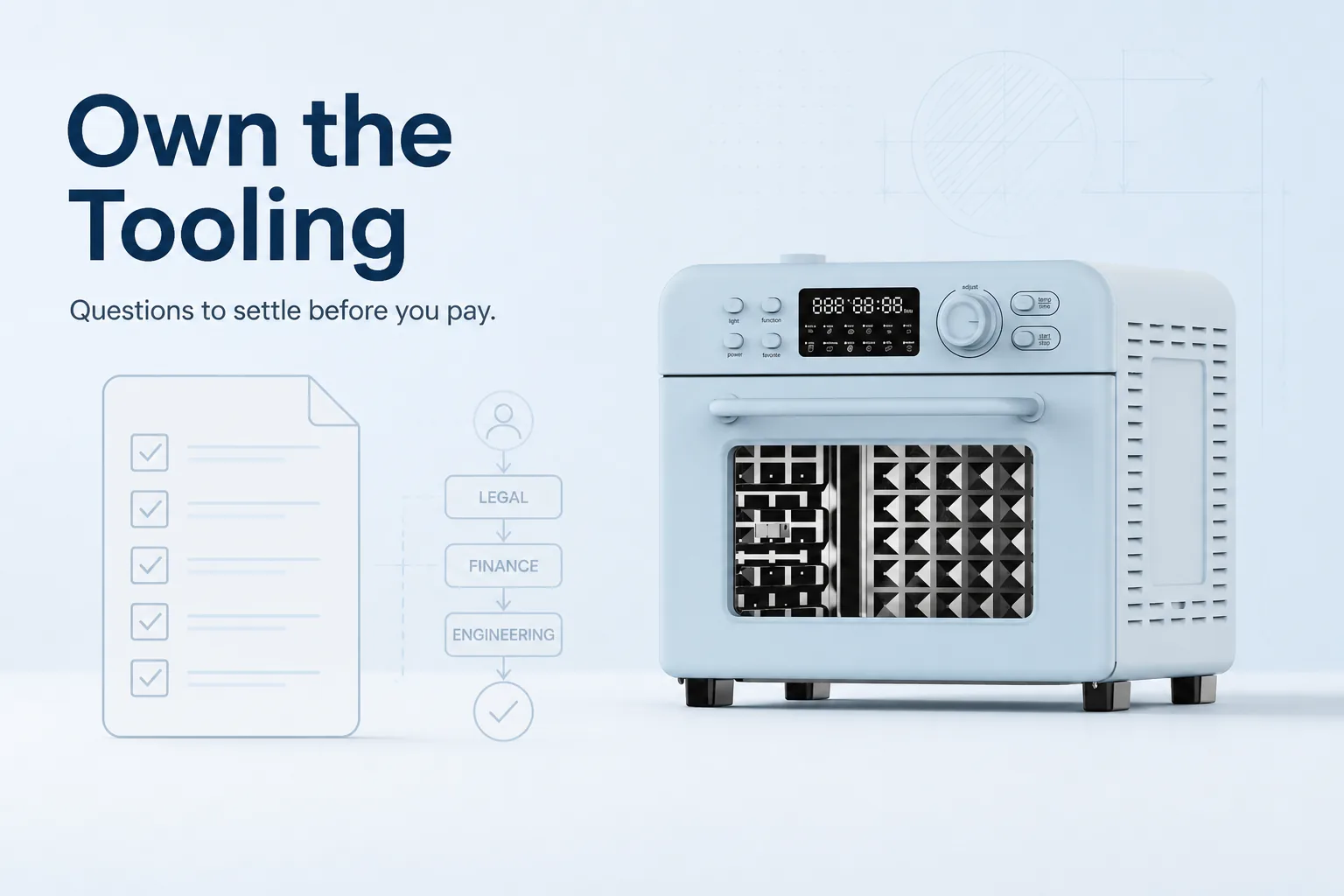
Who Owns the Tooling? Questions to Settle Before You Pay

Paying a tooling invoice does not answer every ownership question. Buyers need a written record covering identification, use, maintenance, changes, storage and programme exit.

Blog cover: Air Fryer Oven OEM Customization: What Changes Cost, Tooling and Retesting
OEM & ODM

Air Fryer Oven OEM Customization: What Changes Cost, Tooling and Retesting

A change-classification guide covering colour, graphics, controls, firmware, cavity, heaters and accessories.

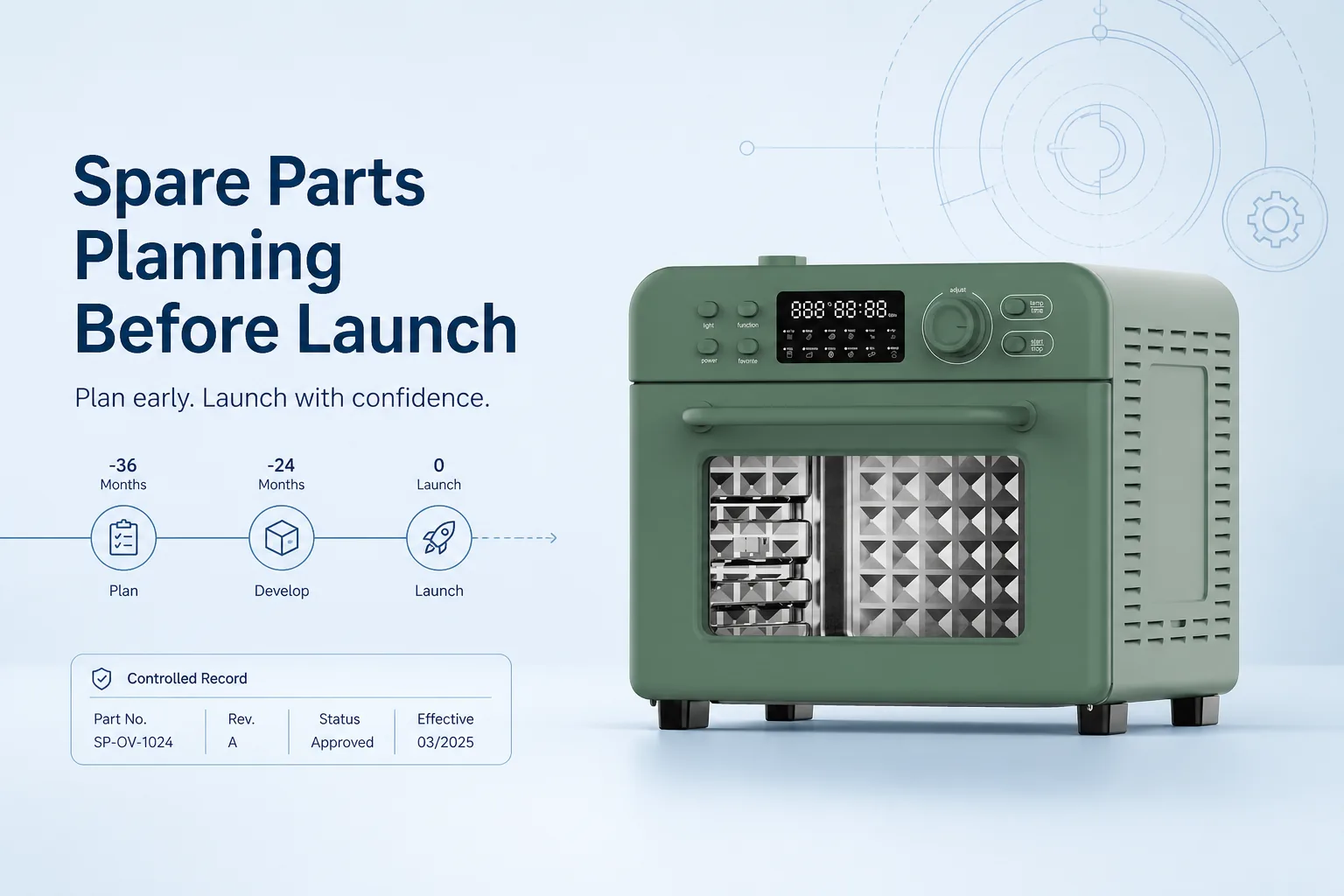
Blog cover: Spare Parts Planning Before Launch: A Three-Year Oven Programme
After-Sales Planning

Spare Parts Planning Before Launch: A Three-Year Oven Programme

Spare parts should be planned from the bill of materials and service model before the first shipment, not after complaints begin.

Blog cover: Air Fryer Oven Quality Risks: Preventing Failures Before Mass Production
Quality Systems

Air Fryer Oven Quality Risks: Preventing Failures Before Mass Production

A risk-based control plan for thermal, electrical, mechanical, cosmetic and cooking-performance failures.

Blog cover: Good, Better, Best: Building an Oven Range Without Feature Clutter
Portfolio Strategy

Good, Better, Best: Building an Oven Range Without Feature Clutter

A three-tier oven range works when each step serves a different buying reason. Adding functions without a clear customer job creates cost and confusion rather than value.

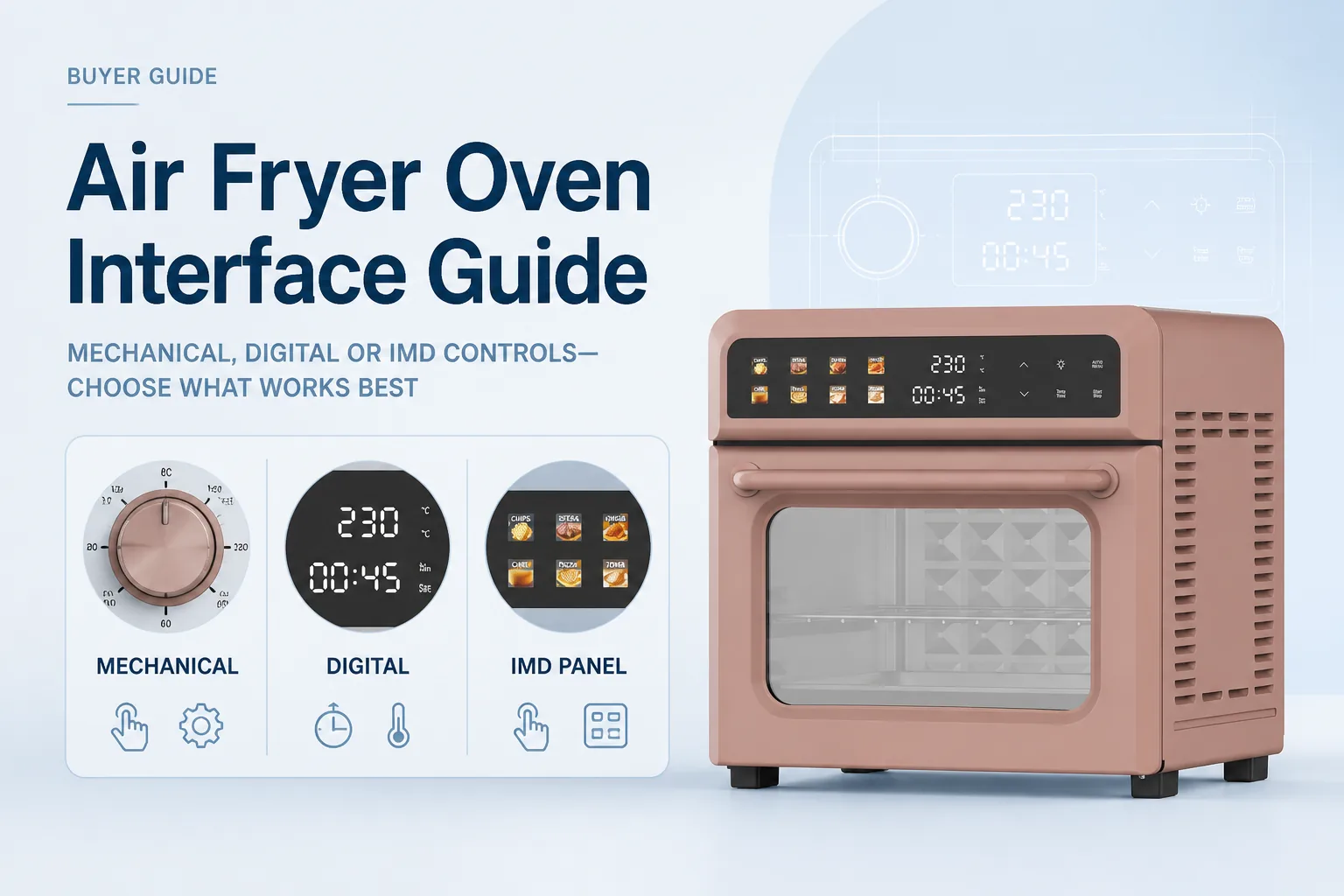
Blog cover: Mechanical, Digital or IMD Controls: Choosing an Air Fryer Oven Interface
Product Strategy

Mechanical, Digital or IMD Controls: Choosing an Air Fryer Oven Interface

A buyer's comparison of usability, software burden, appearance, serviceability and manufacturing control.

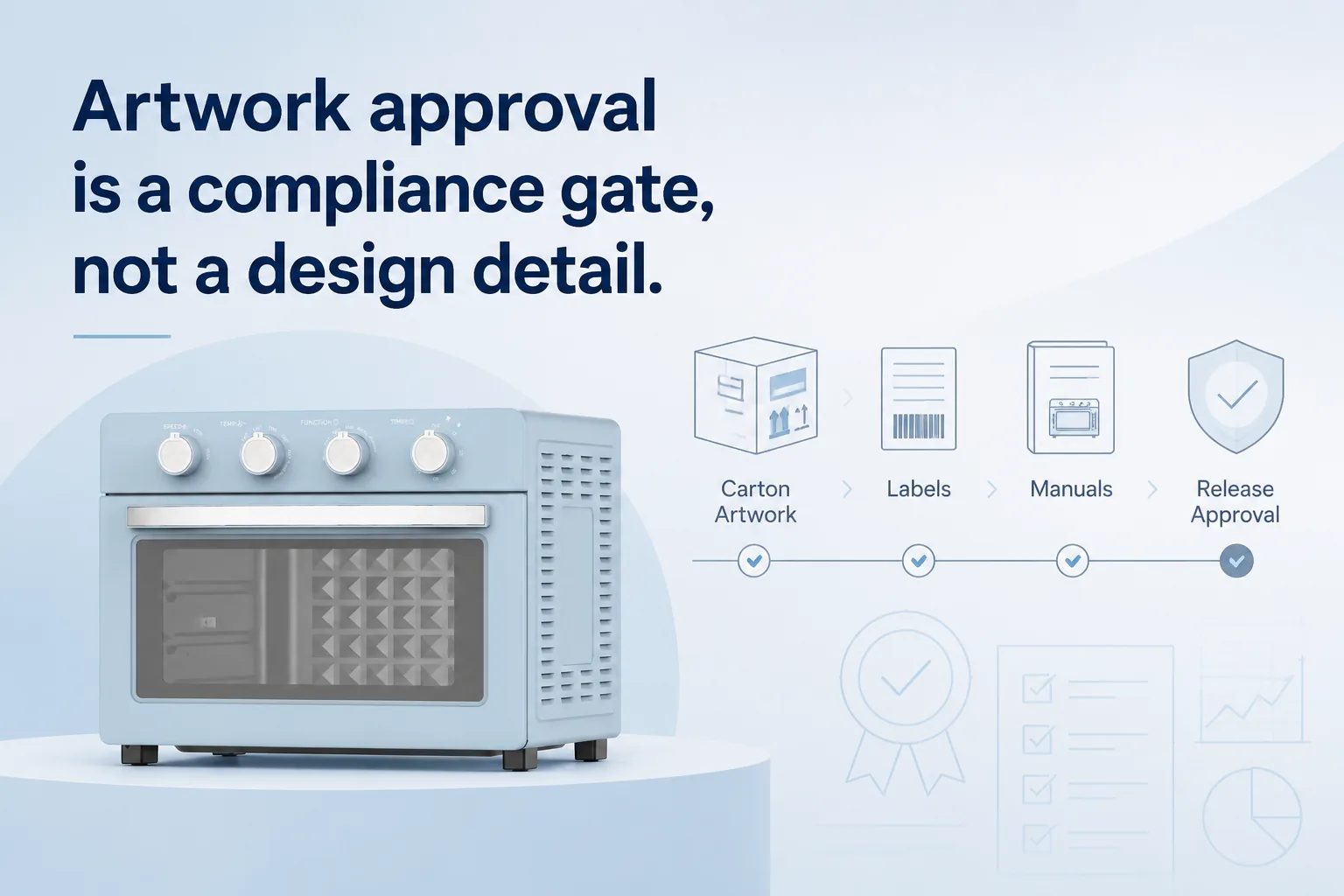
Blog cover: Artwork Approval Is a Compliance Gate, Not a Design Detail
Compliance Operations

Artwork Approval Is a Compliance Gate, Not a Design Detail

Cartons, labels, manuals and online listings carry safety and traceability information. They need controlled approval just as much as the appliance construction.

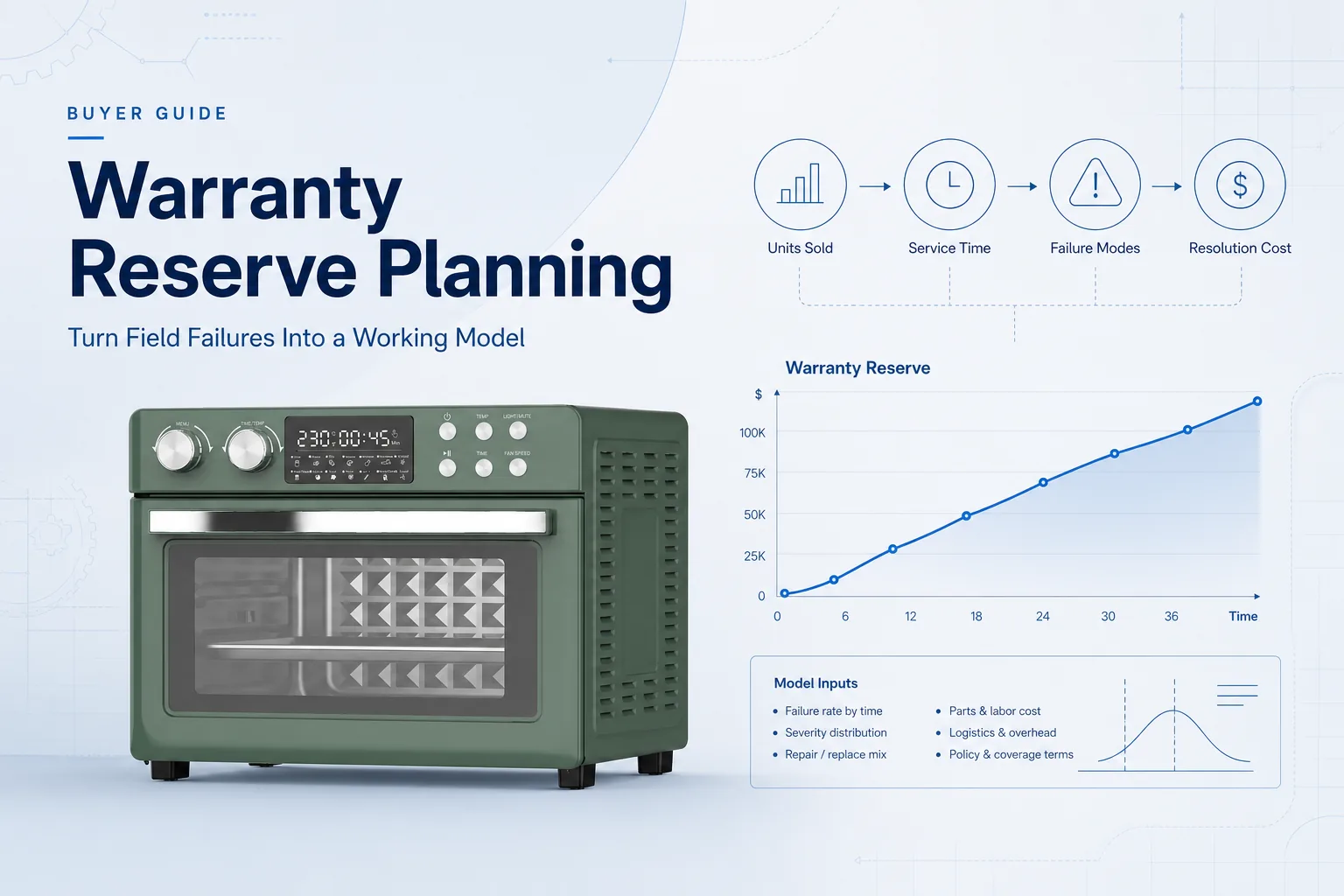
Blog cover: Warranty Reserve Planning: Turn Field Failures Into a Working Model
Financial Planning

Warranty Reserve Planning: Turn Field Failures Into a Working Model

A useful warranty model connects units sold, time in service, confirmed failure modes and actual resolution costs instead of relying on one unexplained percentage.

Blog cover: Home-Friendly Kitchen Appliance Design: Turning Daily Friction Into Requirements
Consumer Insight

Home-Friendly Kitchen Appliance Design: Turning Daily Friction Into Requirements

How footprint, reach, readability, noise, cleaning and storage become testable product requirements.

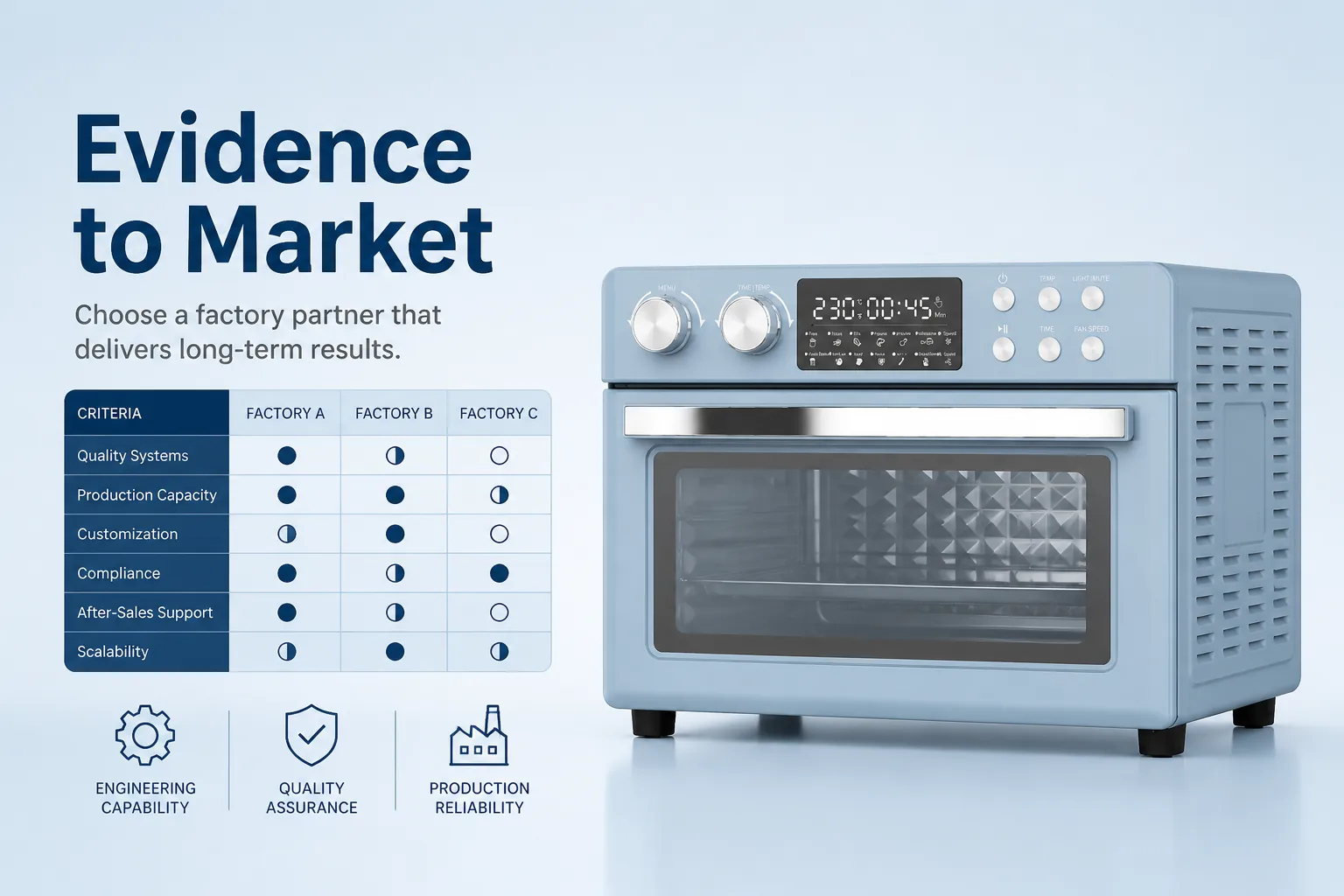
Blog cover: How to Choose a Kitchen Appliance Factory for Long-Term Business
Supplier Qualification

How to Choose a Kitchen Appliance Factory for Long-Term Business

A governance scorecard for capability, quality, compliance, capacity, change control, service and commercial resilience.

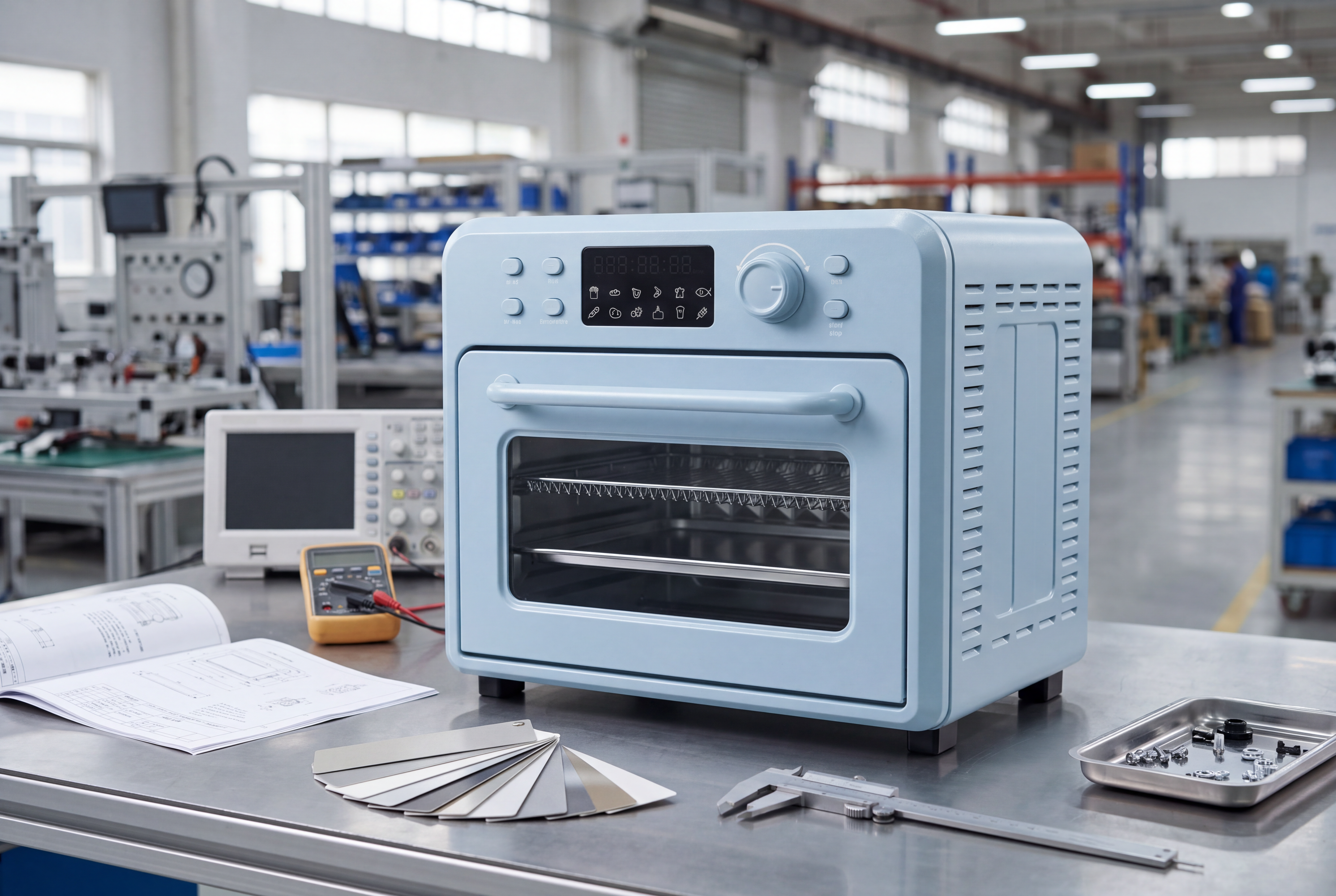
Air fryer oven OEM sample on a factory workbench during product launch planning
Buyer Guide

Low MOQ and Fast Sampling: A Practical Route to a Faster Appliance Launch

A smaller first order is useful only when sampling, approvals and production handover are controlled. Here is how buyers can shorten launch risk without treating a pilot run as a sales promise.

Pink countertop food dehydrator filled with sliced fruit and herbs on multiple trays
Buyer Guide

Why a Food Dehydrator Can Be a Smart Addition to an OEM Appliance Range

A food dehydrator can open a new use case for appliance brands and retailers. The opportunity is strongest when the product brief covers real drying performance, food-contact materials and safe user guidance.

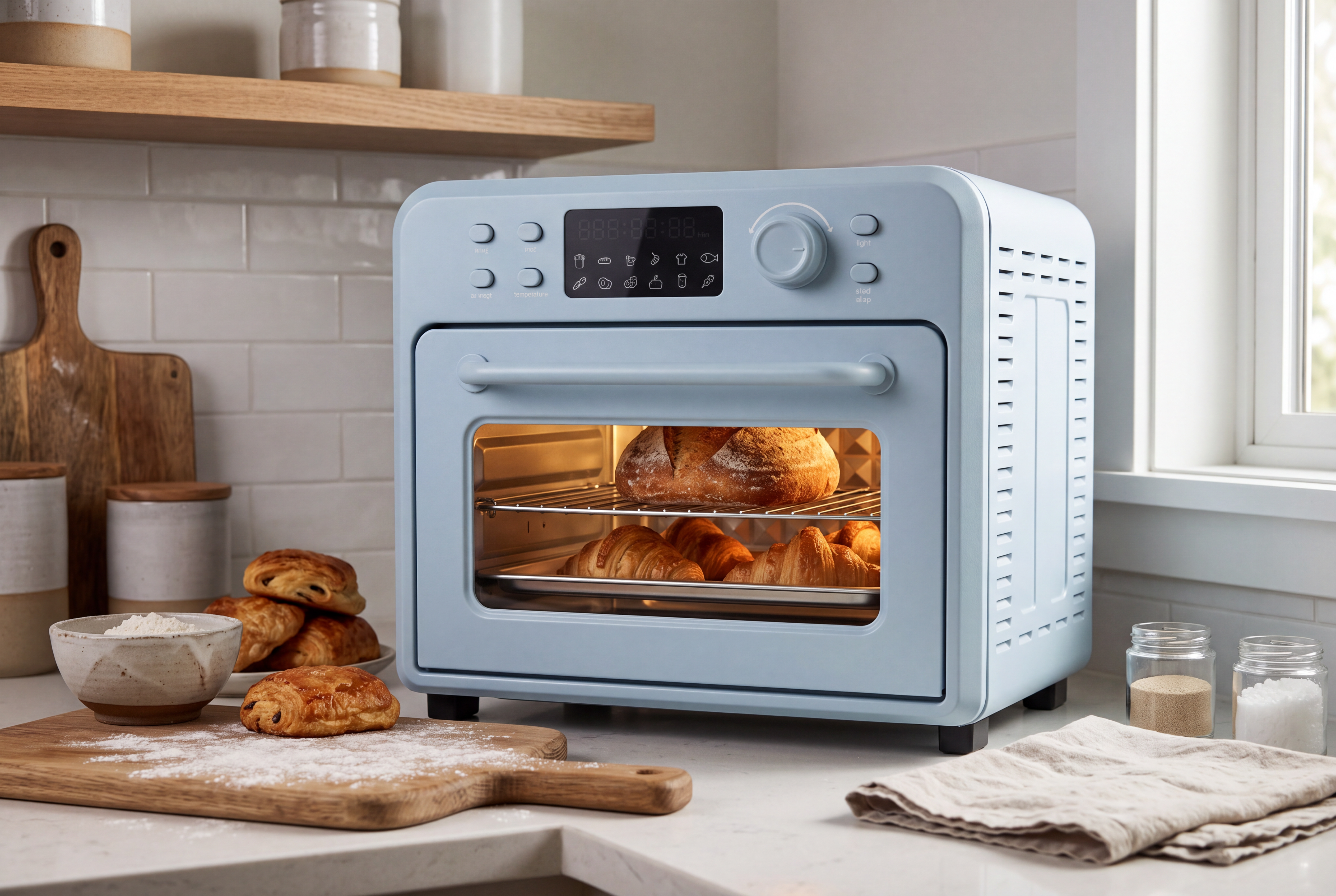
Blue air fryer oven baking bread and pastries in a bright kitchen setting
Engineering Guide

Baking in an Air Fryer Oven: How to Get Better Bread and Pastries

Air fryer ovens can bake more than fries and wings, but good results come from controlled adjustments. This guide covers bread, pastries and the validation points brands should define before making performance claims.

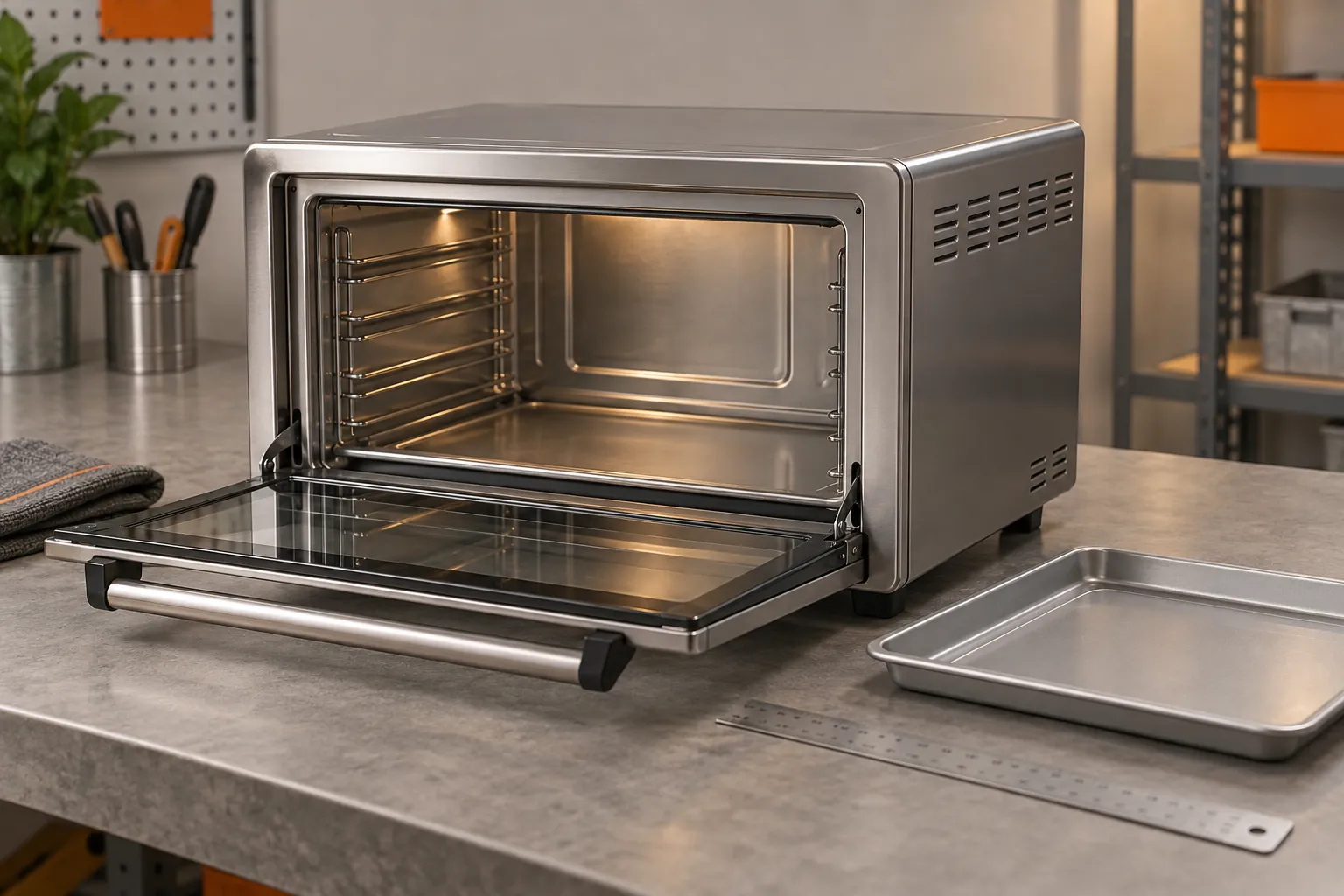
Open stainless steel countertop oven beside a baking tray and measuring ruler on a workbench
Buyer Guide

How to Choose a Countertop Oven for Your Brand: A B2B Specification Guide

A useful oven specification starts with the meals your customer wants to cook. This guide helps brands and importers turn those needs into a clear, testable purchasing brief.

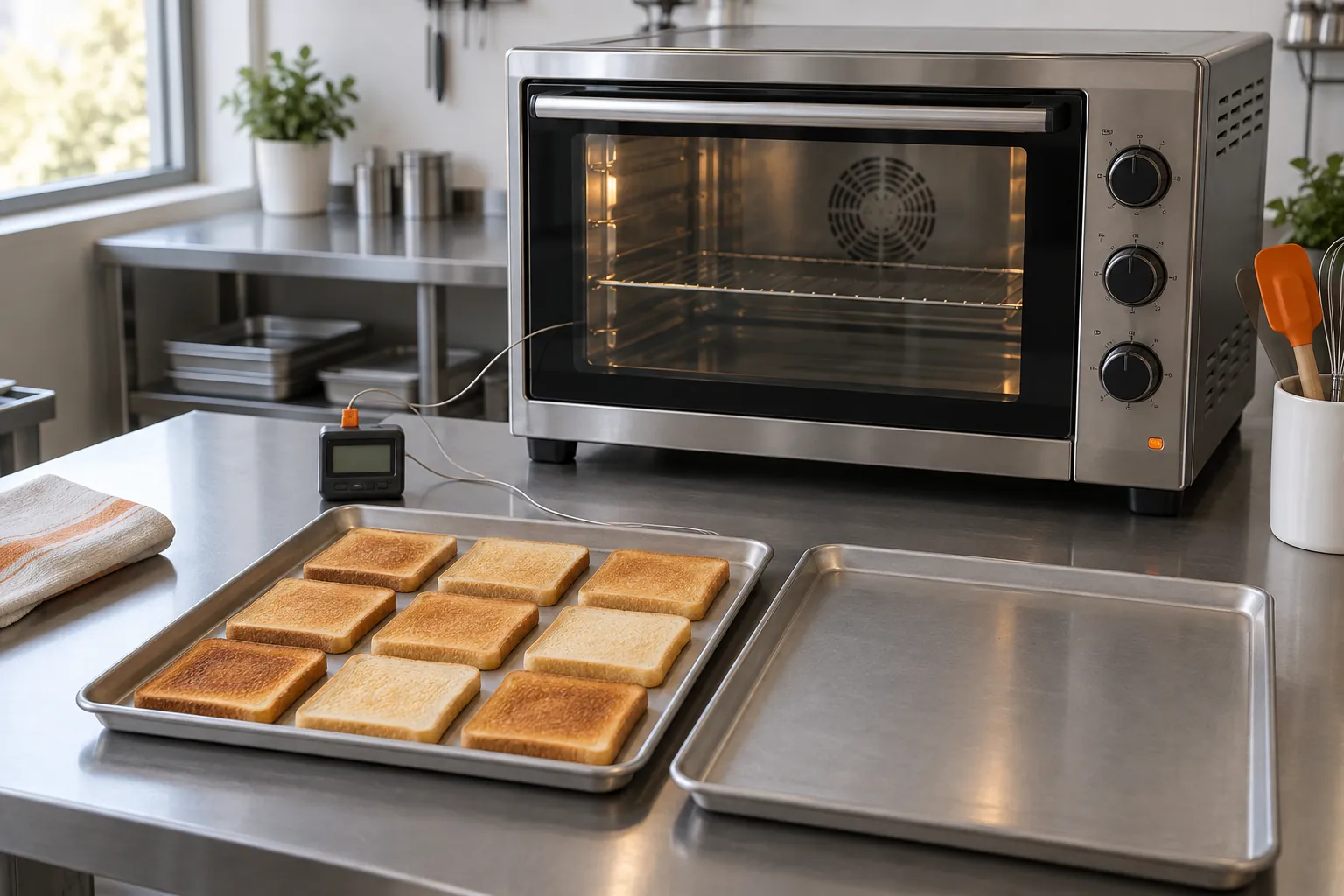
Countertop oven sample with toast squares, matching trays and a temperature logger on a test workbench
Buyer Guide

How to Evaluate Countertop Oven Samples Before a Bulk Order

A polished sample demonstration is only a starting point. Learn how to compare ovens fairly, record useful evidence and decide what must be corrected before approving production.

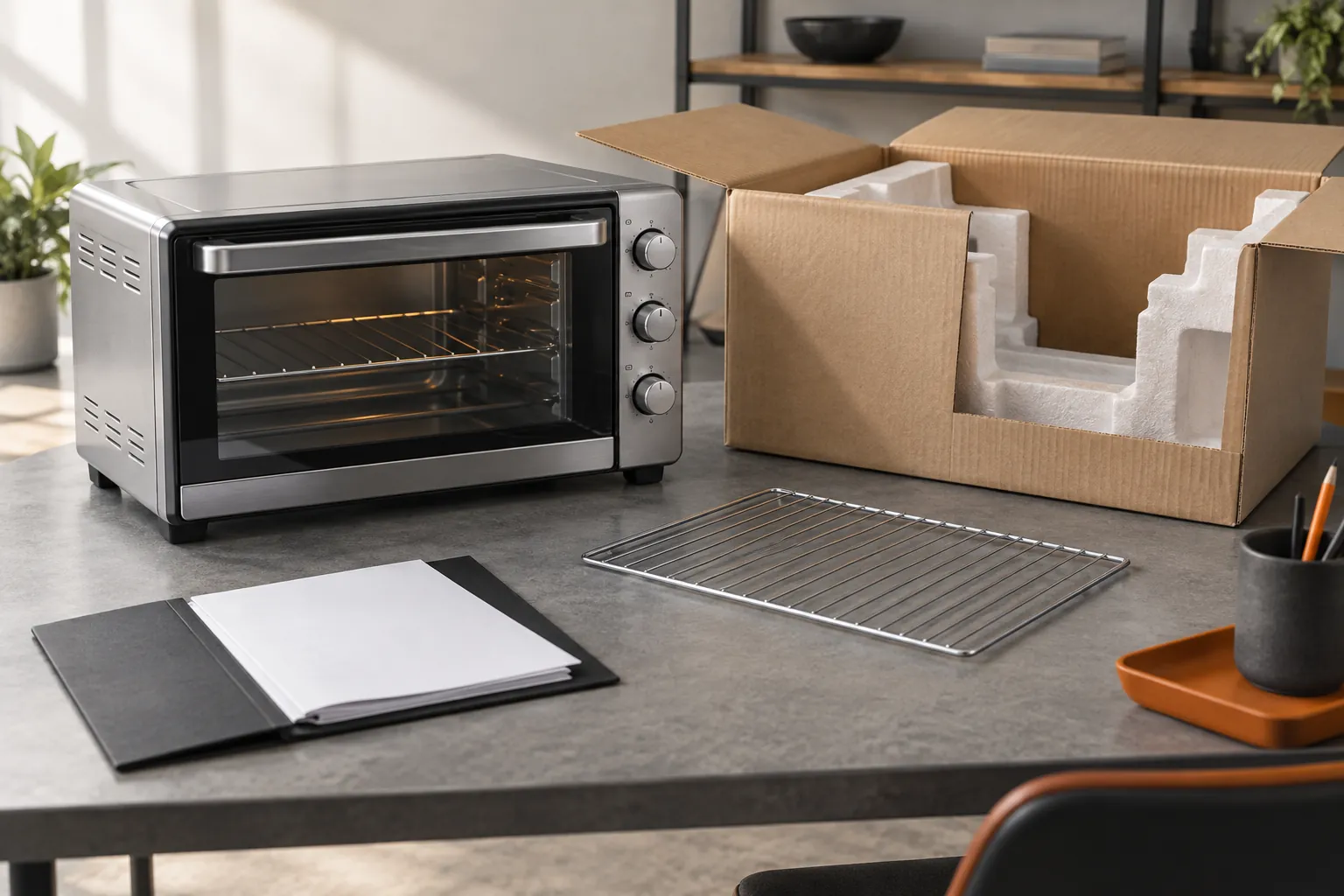
Countertop oven sample beside a shipping carton, protective inserts, oven rack and blank specification folder
Buyer Guide

How to Choose an Oven OEM Supplier: Compare Quotes, Evidence and Total Cost

The lowest unit price can hide a different specification or an unfinished project. This long-form guide shows procurement teams how to compare suppliers on a consistent, evidence-based basis.

Blog cover: Air-Duct Leakage: Why Fan Power Alone Does Not Prove Air-Fry Performance
Product Engineering

Air-Duct Leakage: Why Fan Power Alone Does Not Prove Air-Fry Performance

A guide to checking whether airflow reaches the food zone instead of escaping through gaps and service clearances.

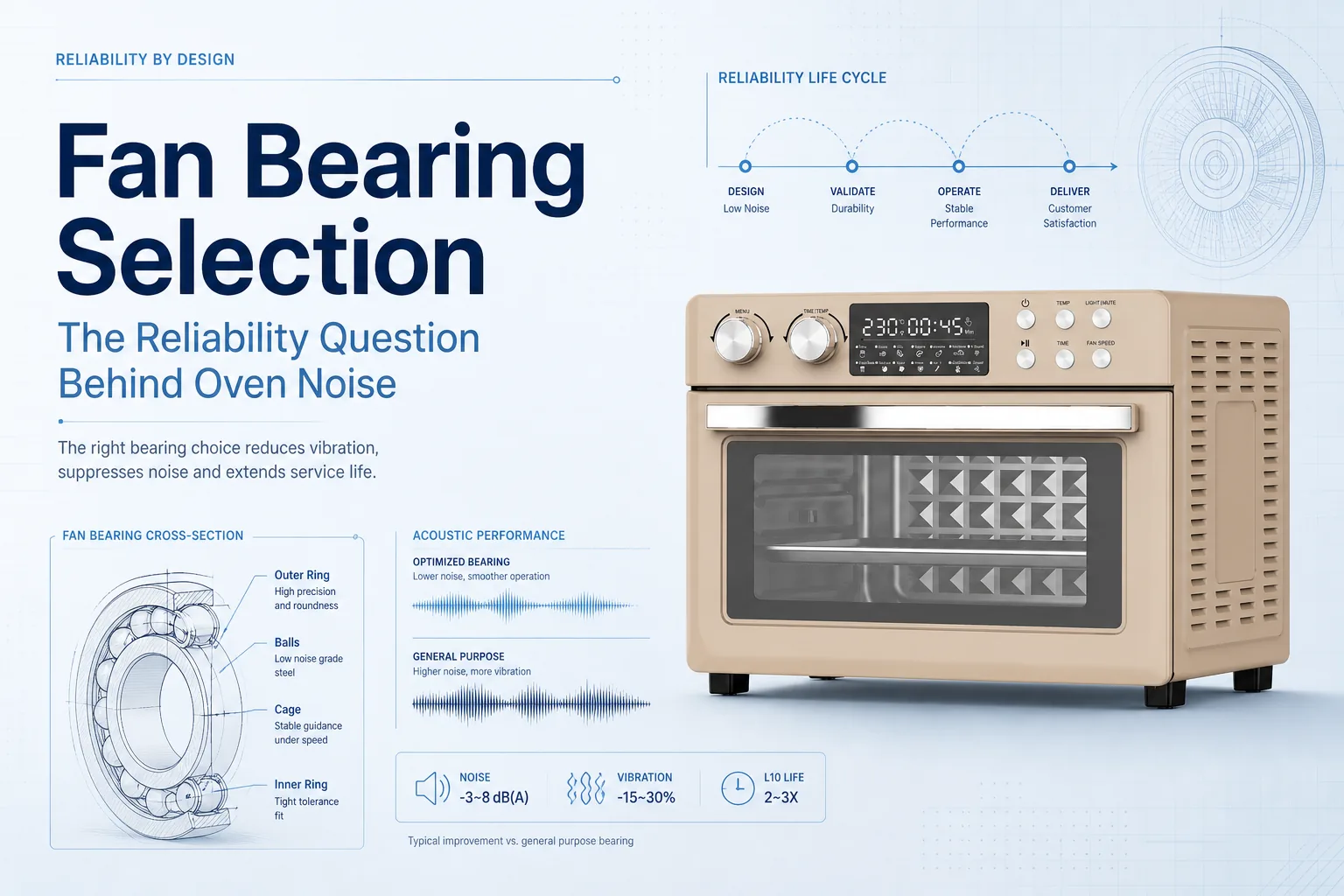
Blog cover: Fan Bearing Selection: The Reliability Question Behind Oven Noise
Quality Systems

Fan Bearing Selection: The Reliability Question Behind Oven Noise

How fan bearing type, grease and mounting condition influence long-term acoustic performance.

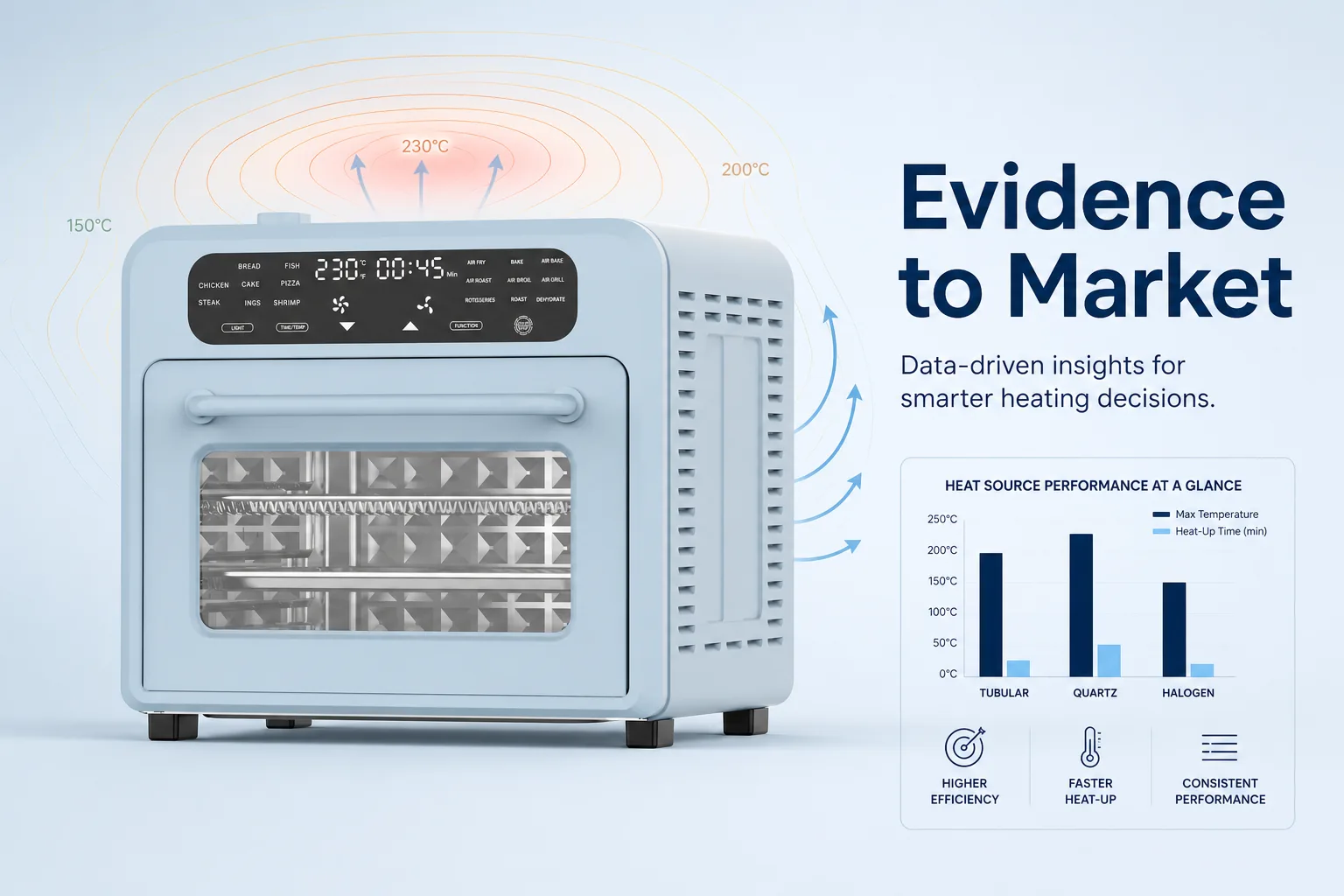
Blog cover: Tubular, Quartz or Halogen Heaters: Selecting the Right Heat Source for a Countertop Oven
Buyer Guide

Tubular, Quartz or Halogen Heaters: Selecting the Right Heat Source for a Countertop Oven

A comparison framework for response time, controllability, shielding, serviceability and cost.

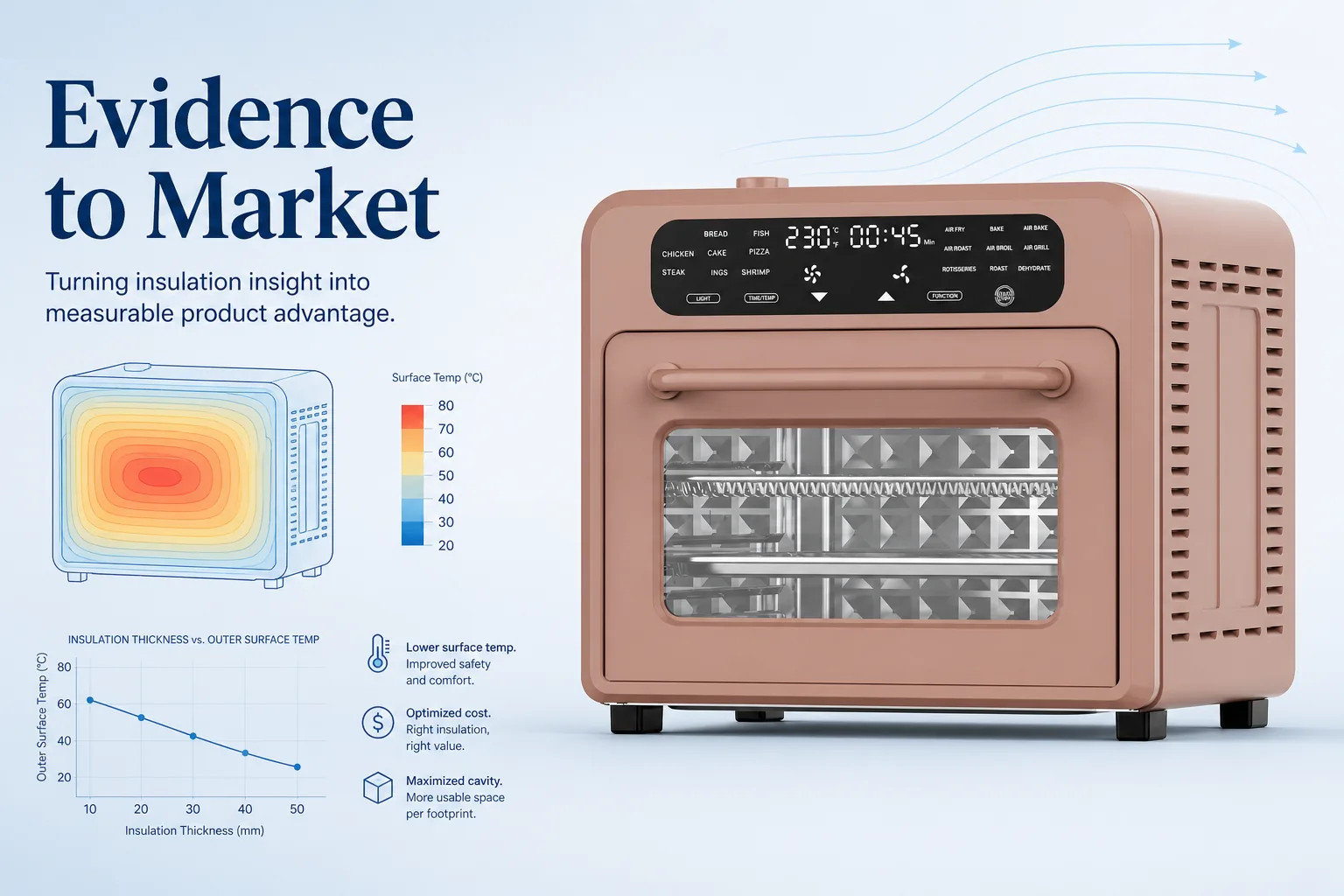
Blog cover: Thermal Insulation in Compact Ovens: Balancing Surface Temperature, Cost and Cavity Volume
Product Engineering

Thermal Insulation in Compact Ovens: Balancing Surface Temperature, Cost and Cavity Volume

Why insulation thickness and material placement should be treated as a system decision.

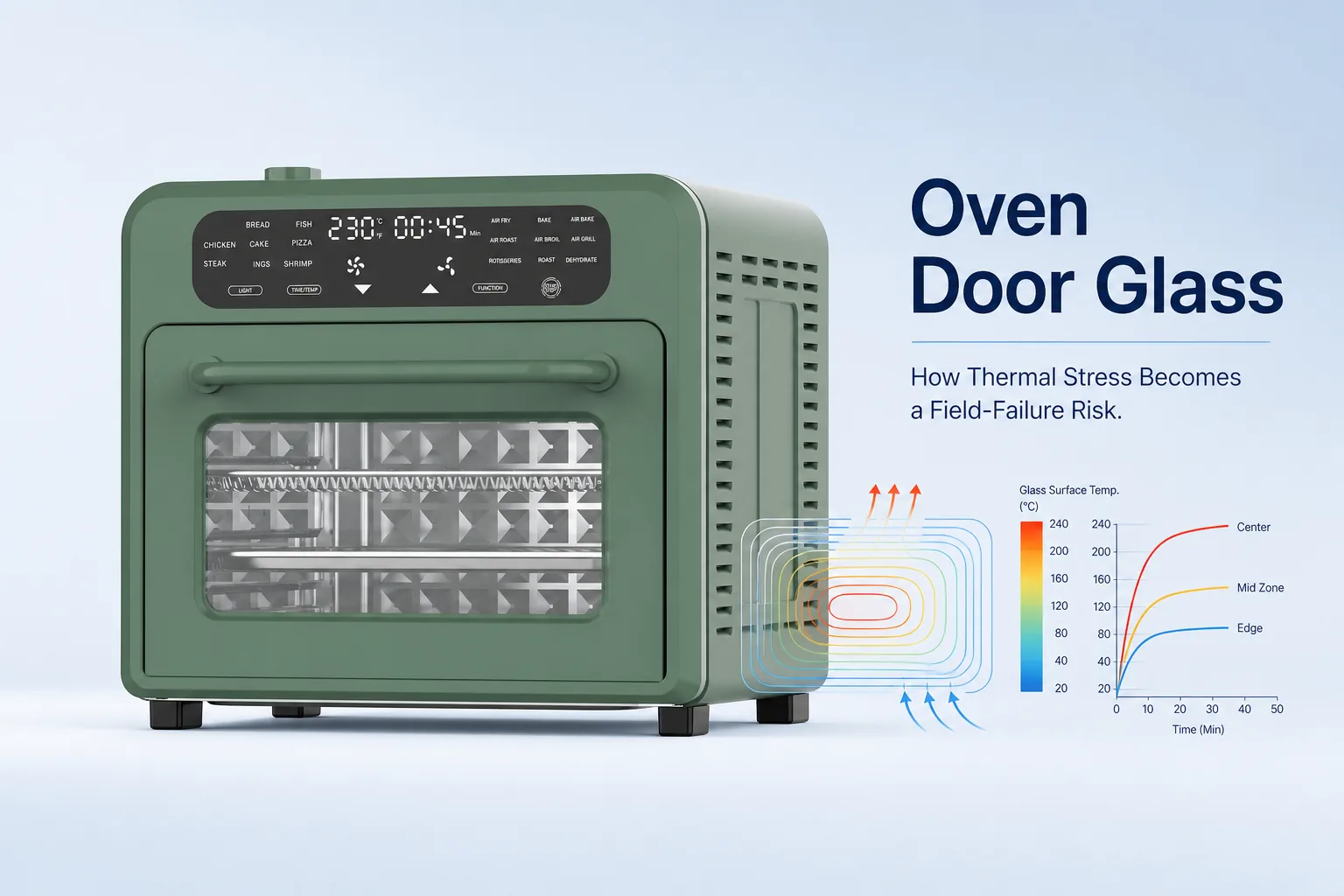
Blog cover: Oven Door Glass: How Thermal Stress Becomes a Field-Failure Risk
Materials & Safety

Oven Door Glass: How Thermal Stress Becomes a Field-Failure Risk

A procurement guide for assessing glass type, edge quality, assembly clearance and heat exposure.

Blog cover: Painted Steel, Enamel or Stainless Steel: Choosing an Oven Cavity Material With Evidence
Buyer Guide

Painted Steel, Enamel or Stainless Steel: Choosing an Oven Cavity Material With Evidence

How to compare cleanability, corrosion resistance, forming limits and appearance retention without relying on material labels alone.

Blog cover: Crumb Tray Materials: A Small Part With a Large Cleaning and Corrosion Impact
Materials & Safety

Crumb Tray Materials: A Small Part With a Large Cleaning and Corrosion Impact

Why tray geometry, coating and drainage matter to the ownership experience of a countertop oven.

Blog cover: Control Knob Cycle Life: Turning a Tactile Feel Into a Testable Requirement
Quality Systems

Control Knob Cycle Life: Turning a Tactile Feel Into a Testable Requirement

A practical method for specifying detents, torque, markings and endurance for mechanical controls.

Blog cover: Capacitive Touch Controls Near Steam: What Buyers Should Validate
Product Engineering

Capacitive Touch Controls Near Steam: What Buyers Should Validate

How moisture, grounding and user-interface design affect touch-control stability around hot food.

Blog cover: Control-Board Conformal Coating: When It Helps and When It Creates Rework Risk
Quality Systems

Control-Board Conformal Coating: When It Helps and When It Creates Rework Risk

A balanced guide to moisture protection, process control and repairability for appliance electronics.

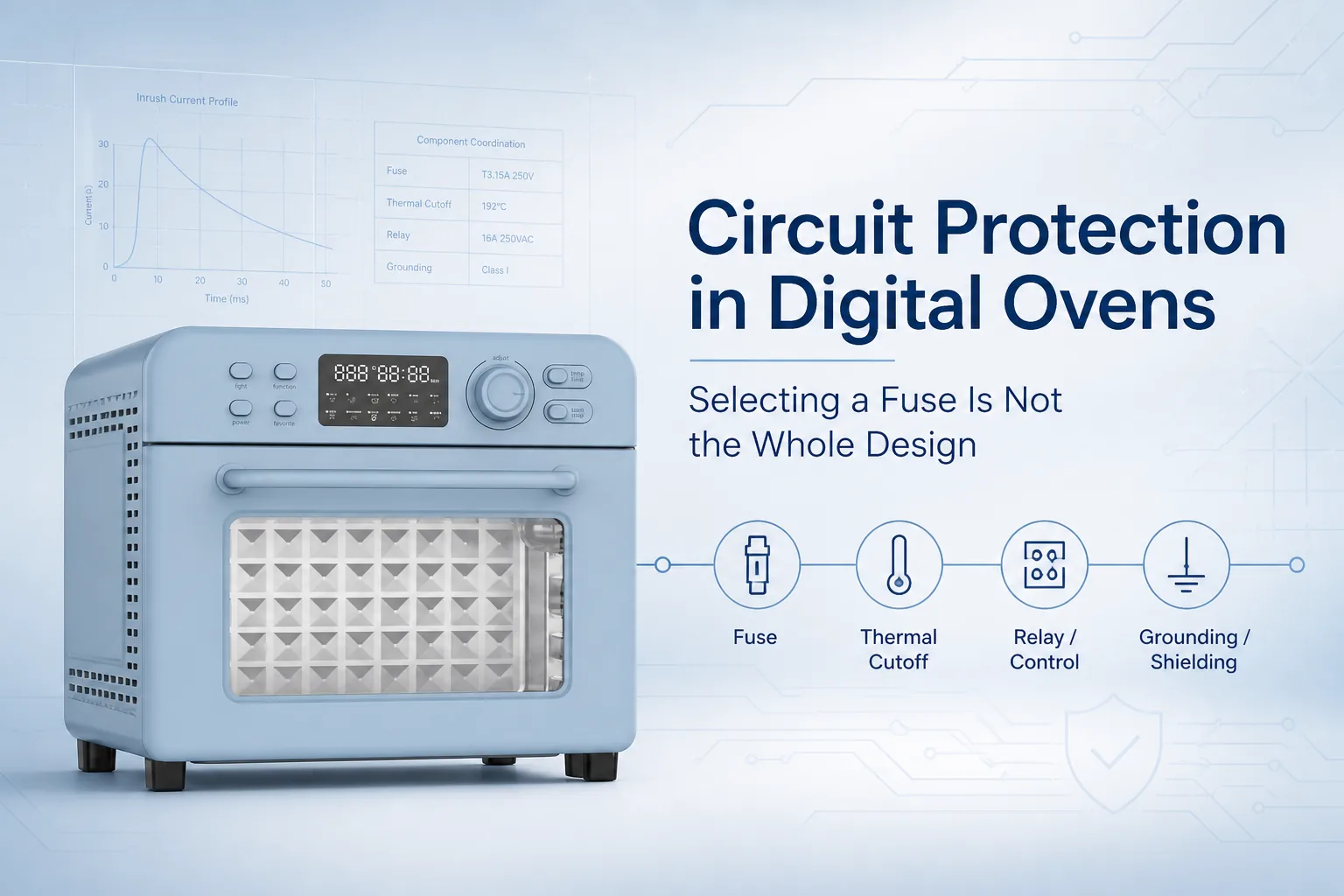
Blog cover: Circuit Protection in Digital Ovens: Selecting a Fuse Is Not the Whole Design
Safety Engineering

Circuit Protection in Digital Ovens: Selecting a Fuse Is Not the Whole Design

What procurement teams should ask about fault paths, component coordination and service replacement.

Blog cover: Protective-Earth Continuity: The Assembly Check That Should Never Be Assumed
Safety Engineering

Protective-Earth Continuity: The Assembly Check That Should Never Be Assumed

How fasteners, coatings and wiring routing can affect a critical electrical-safety path.

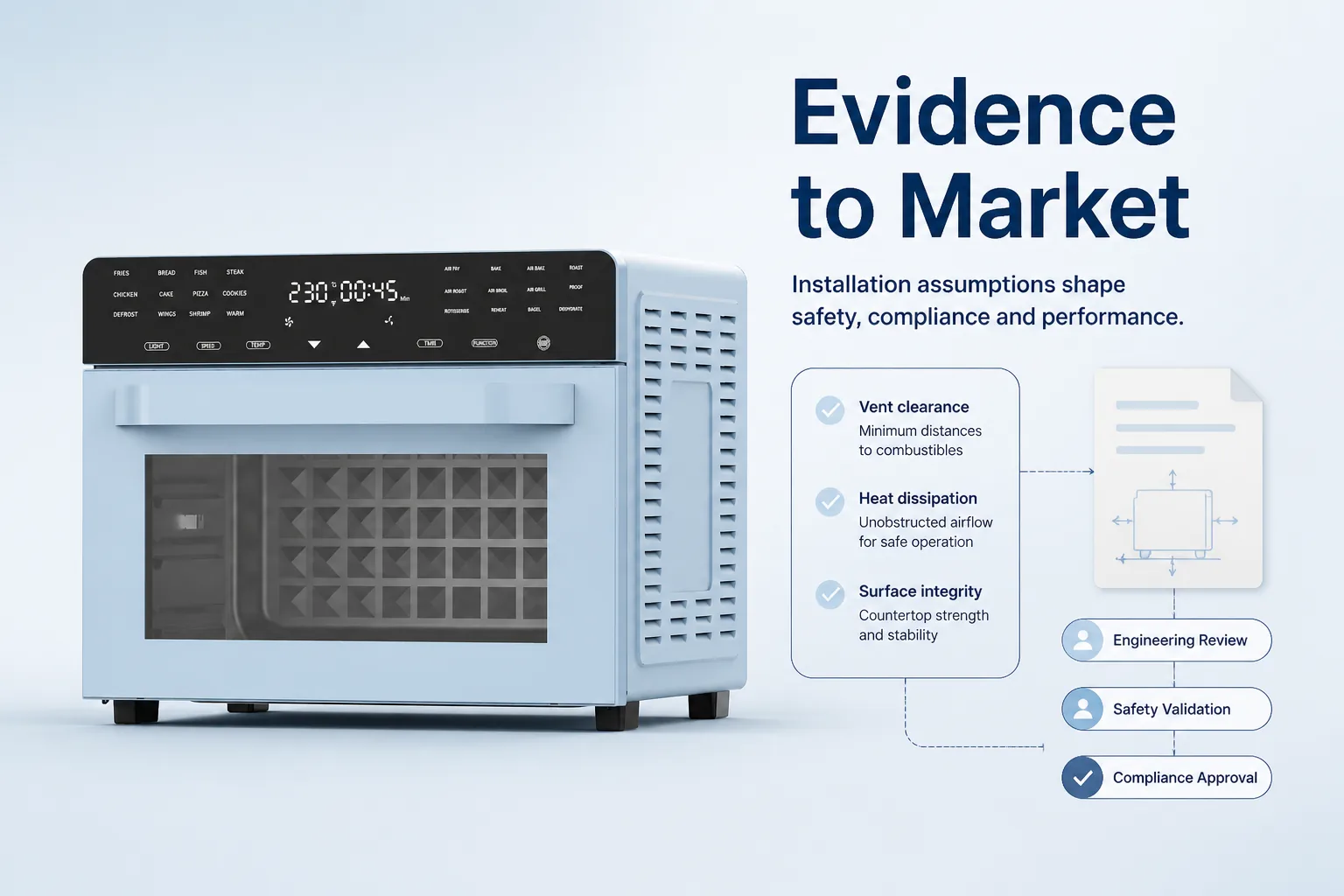
Blog cover: Vent Clearance: How Installation Assumptions Change Countertop Oven Safety and Performance
Buyer Guide

Vent Clearance: How Installation Assumptions Change Countertop Oven Safety and Performance

Why a portable oven still needs a documented airflow envelope around its enclosure.

Blog cover: Distribution Drop Testing: Match the Carton Test to the Channel, Not a Generic Height
Supply Chain

Distribution Drop Testing: Match the Carton Test to the Channel, Not a Generic Height

How to connect product fragility, carton design and delivery route to a useful transit-test plan.

Blog cover: Barcode Data Quality: The Packaging Detail That Can Delay a Retail Launch
Supply Chain

Barcode Data Quality: The Packaging Detail That Can Delay a Retail Launch

Why barcode symbology, quiet zones, print contrast and master-data ownership belong in the launch plan.

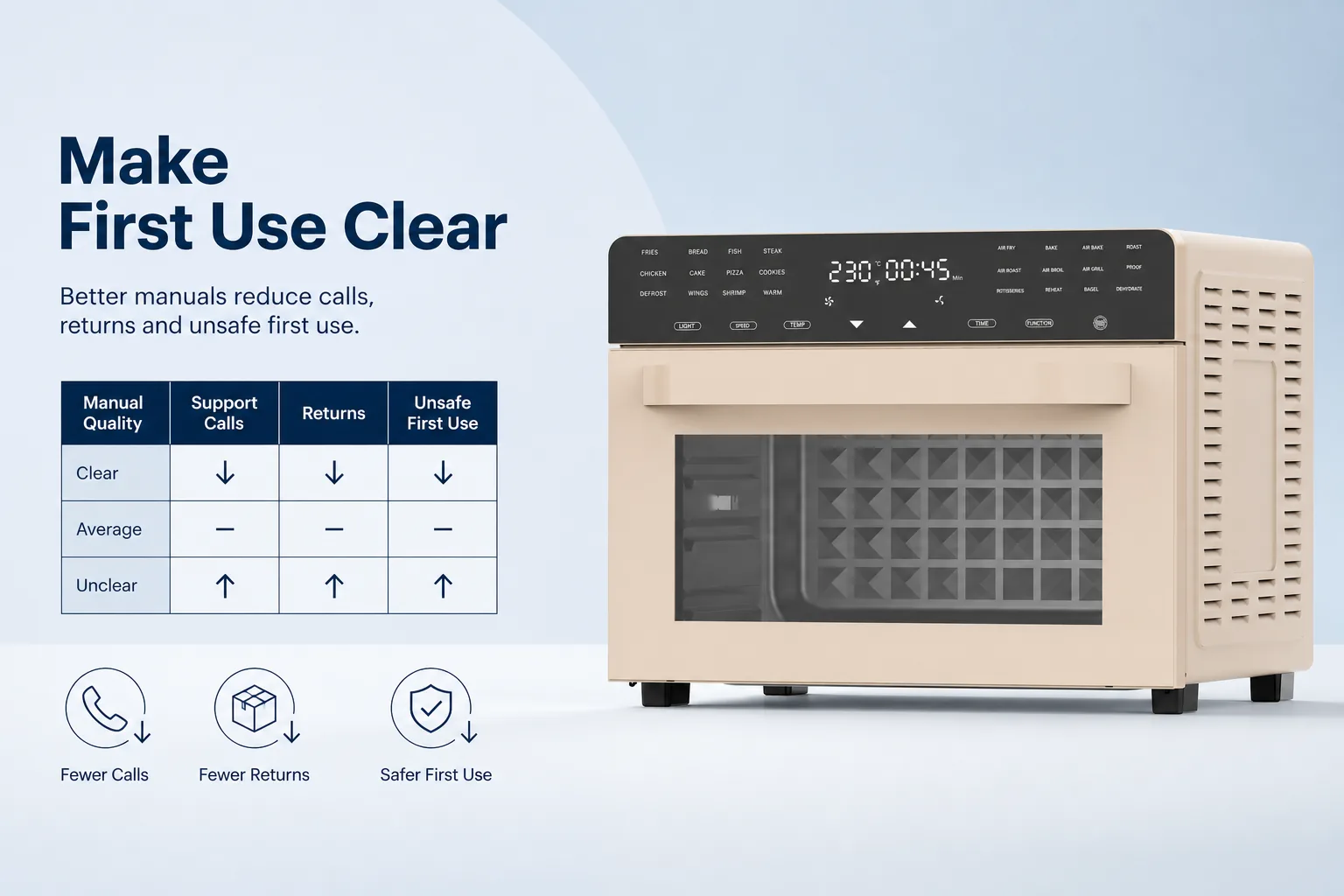
Blog cover: Instruction Manual Usability: Reducing Calls, Returns and Unsafe First Use
Buyer Guide

Instruction Manual Usability: Reducing Calls, Returns and Unsafe First Use

A method for treating the manual as an operational control rather than a final artwork file.

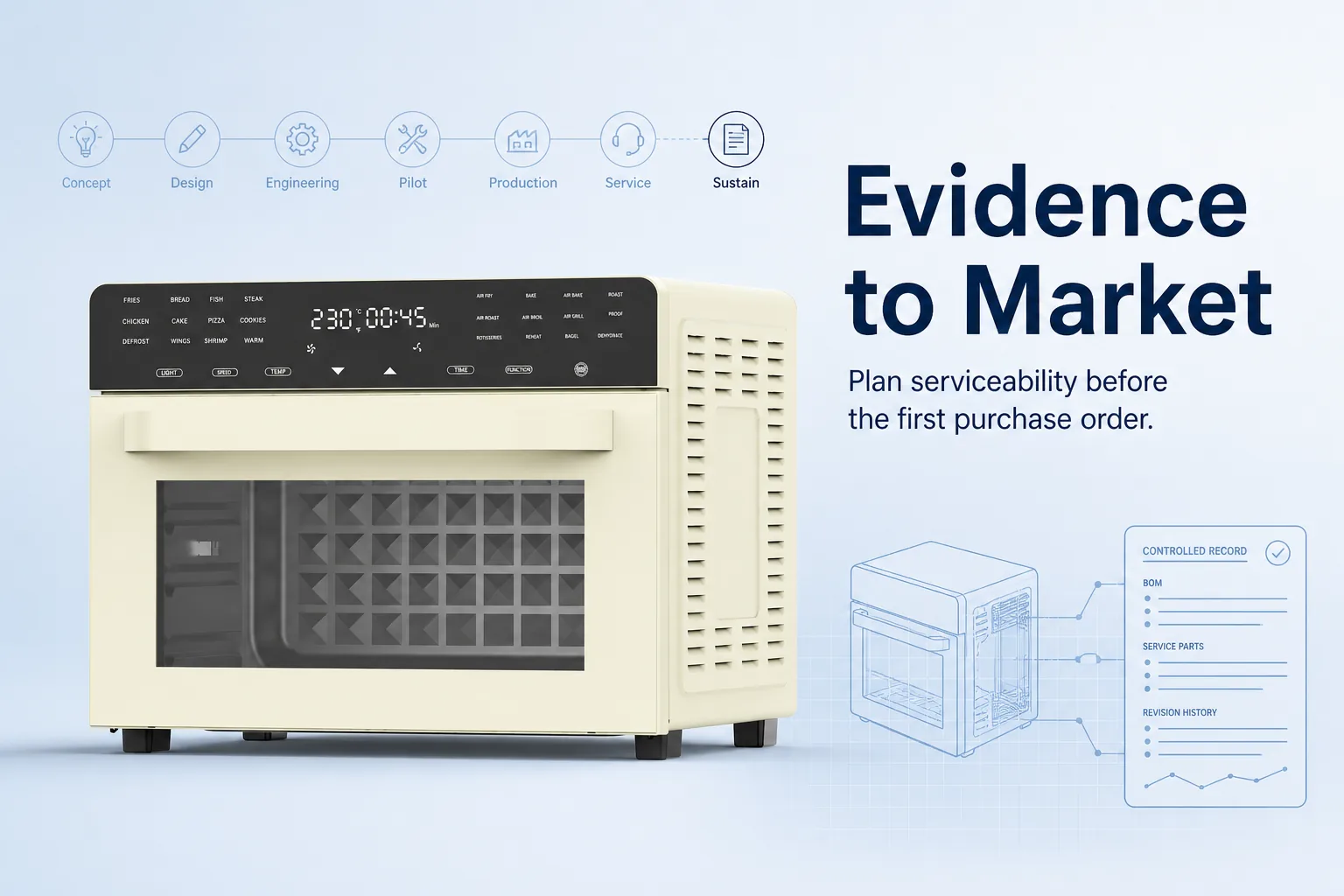
Blog cover: Spare-Parts Bills of Material: Plan Serviceability Before the First Purchase Order
Buyer Guide

Spare-Parts Bills of Material: Plan Serviceability Before the First Purchase Order

How to decide which assemblies, consumables and fasteners must remain available after launch.

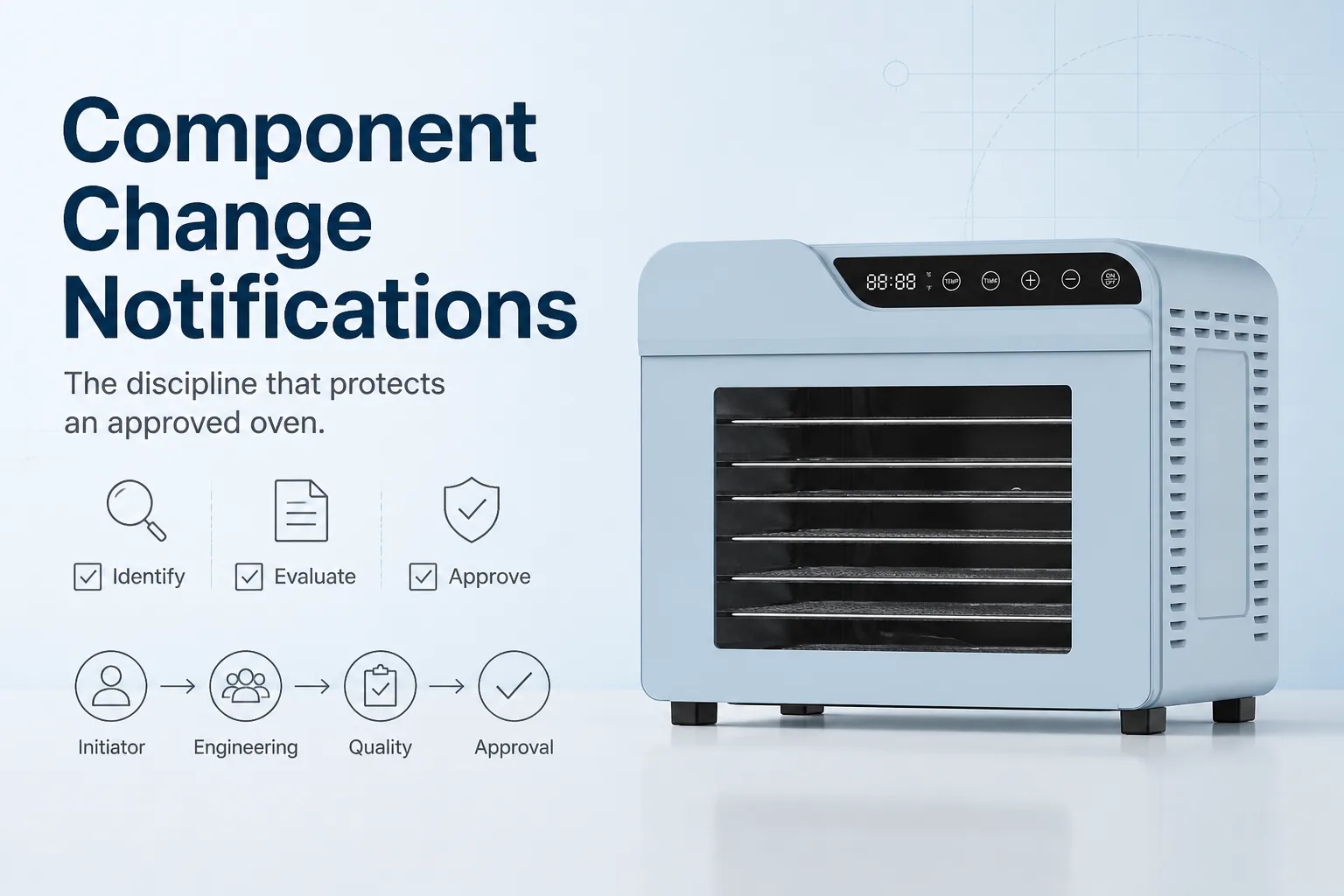
Blog cover: Component Change Notifications: The Discipline That Protects an Approved Oven
Quality Systems

Component Change Notifications: The Discipline That Protects an Approved Oven

Why a supplier's 'equivalent replacement' requires a controlled technical decision.

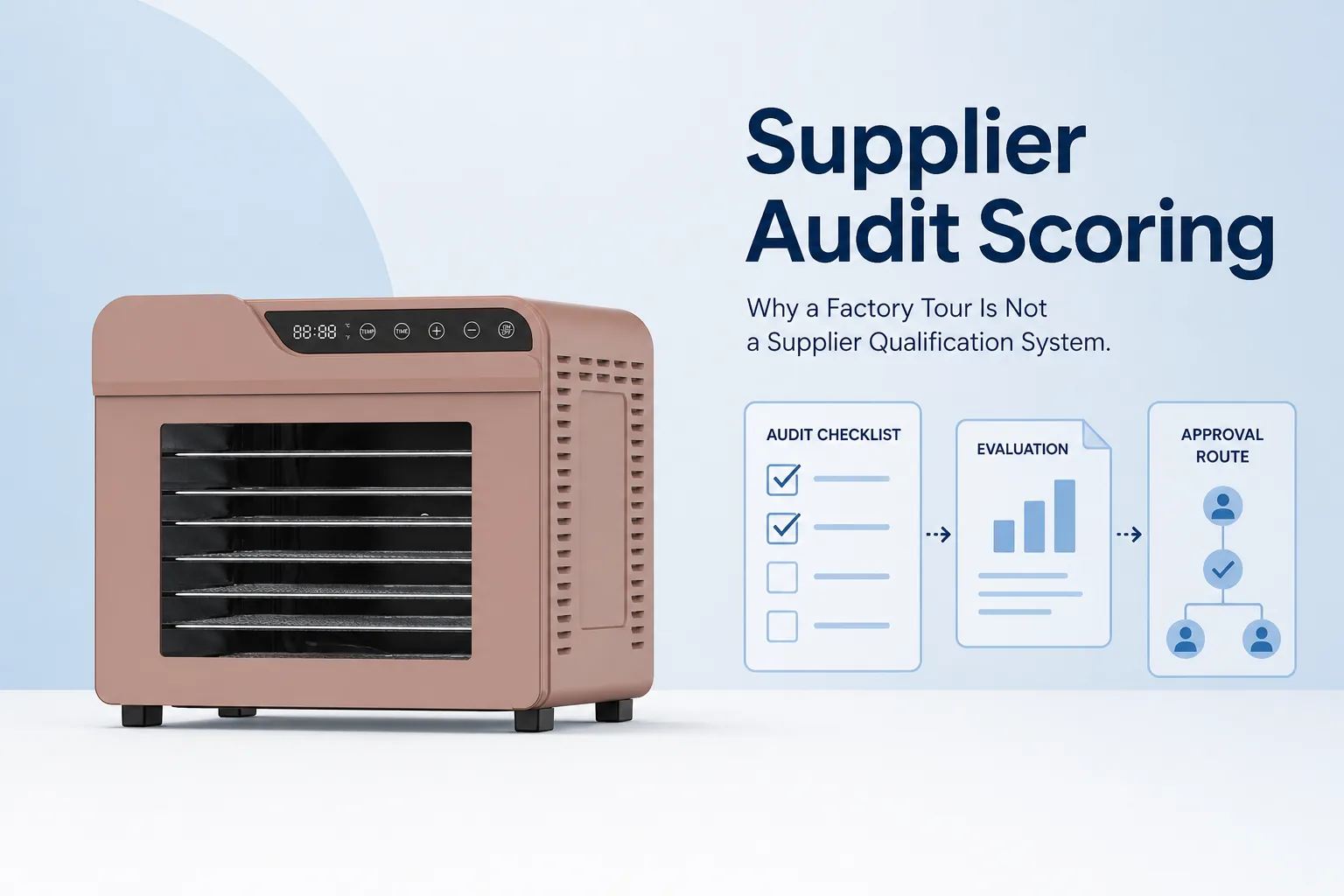
Blog cover: Supplier Audit Scoring: Why a Factory Tour Is Not a Supplier Qualification System
Quality Systems

Supplier Audit Scoring: Why a Factory Tour Is Not a Supplier Qualification System

A practical scoring model for evaluating process capability, controls and follow-through.

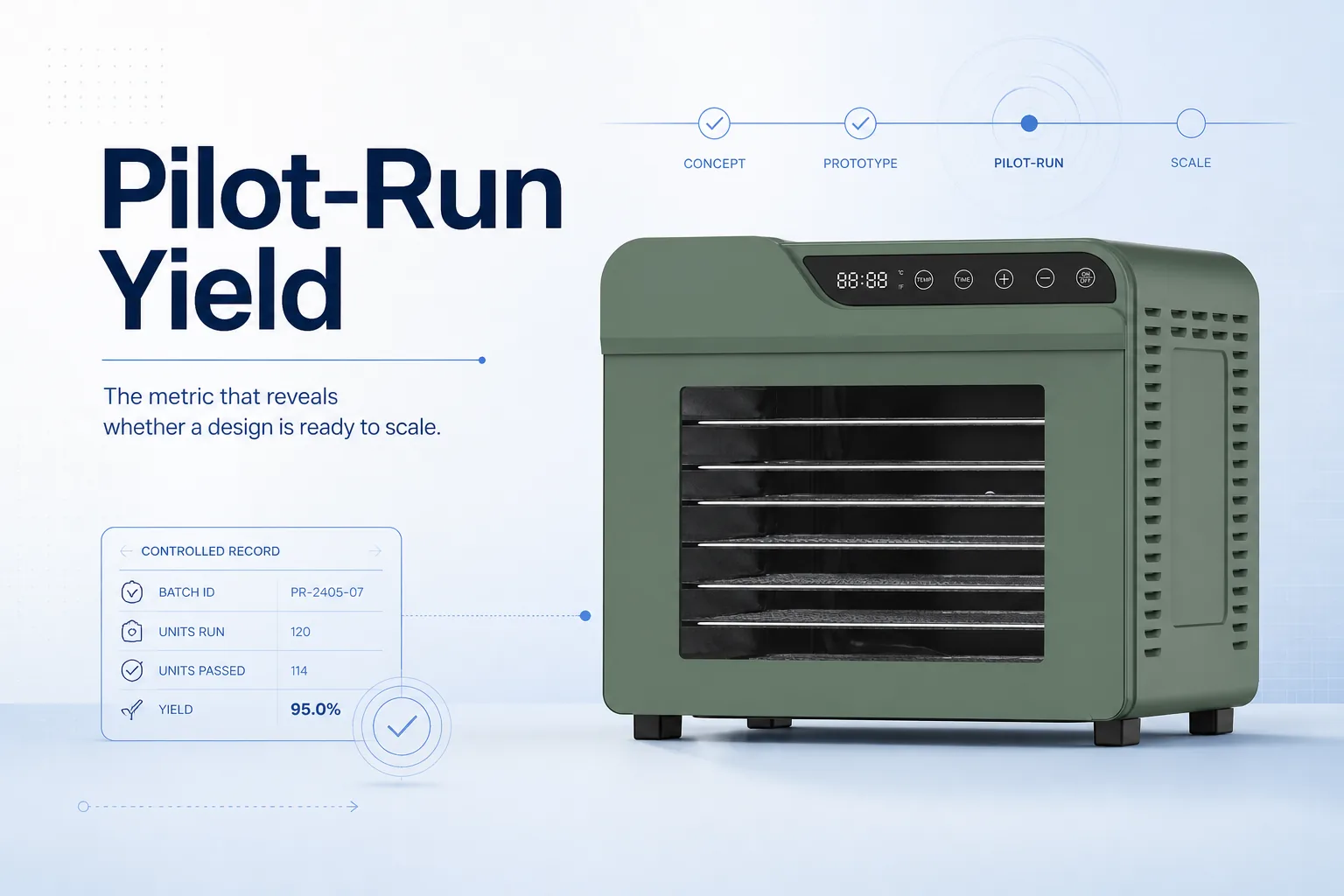
Blog cover: Pilot-Run Yield: The Metric That Reveals Whether a Design Is Ready to Scale
Quality Systems

Pilot-Run Yield: The Metric That Reveals Whether a Design Is Ready to Scale

How first-pass yield, rework categories and test escapes should influence launch decisions.

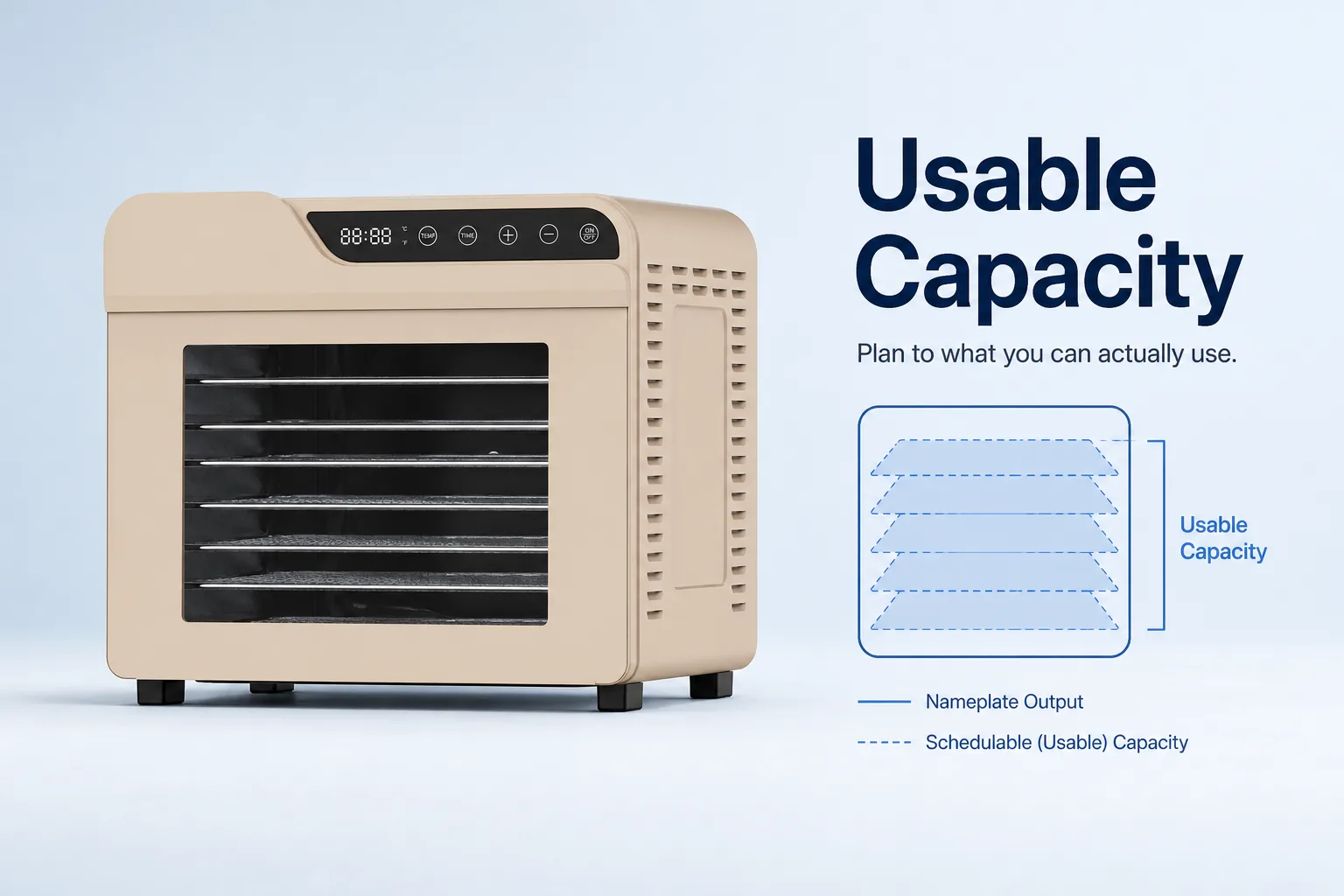
Blog cover: Factory Capacity Planning: Separate Nameplate Output From Schedulable Capacity
Supply Chain

Factory Capacity Planning: Separate Nameplate Output From Schedulable Capacity

Why a monthly output promise needs to be checked against bottlenecks, changeovers and quality gates.

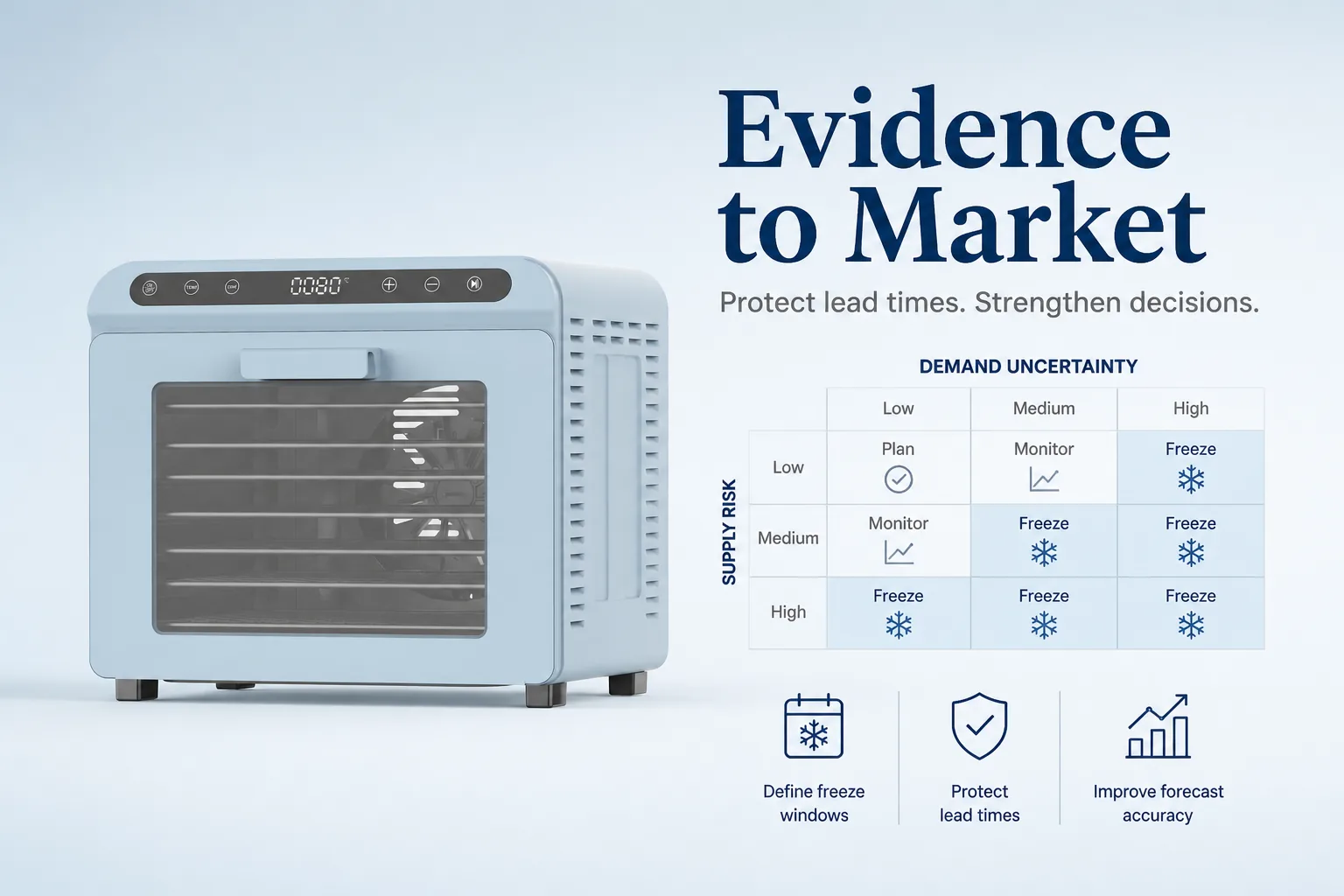
Blog cover: Forecast Freeze Windows: A Simple Tool for Protecting Appliance Lead Times
Supply Chain

Forecast Freeze Windows: A Simple Tool for Protecting Appliance Lead Times

Why buyers should distinguish firm demand, flexible demand and engineering-change demand.

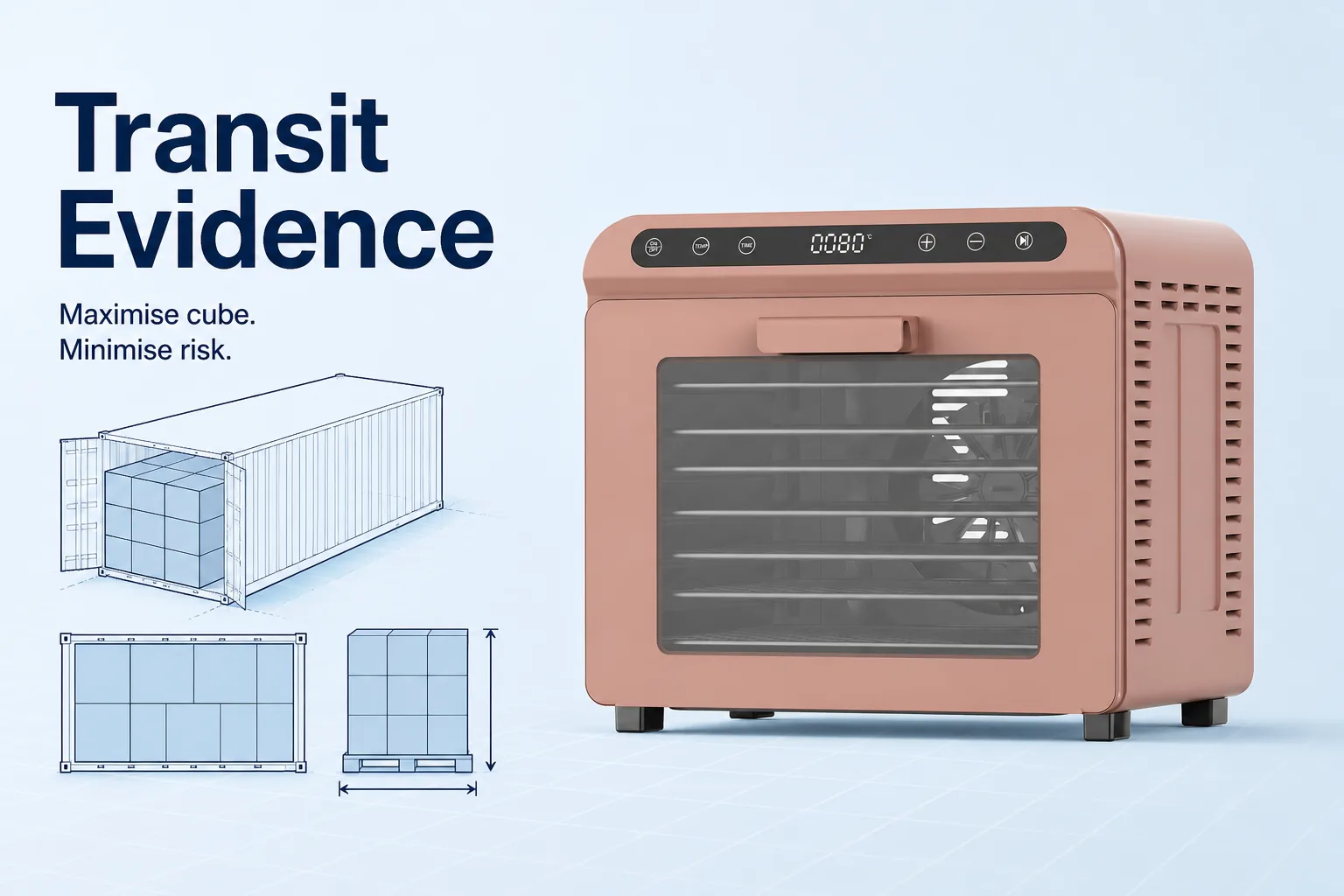
Blog cover: Container Loading for Countertop Ovens: Maximise Cube Without Increasing Damage Risk
Supply Chain

Container Loading for Countertop Ovens: Maximise Cube Without Increasing Damage Risk

A guide to loading patterns, overhang control and moisture protection for boxed appliances.

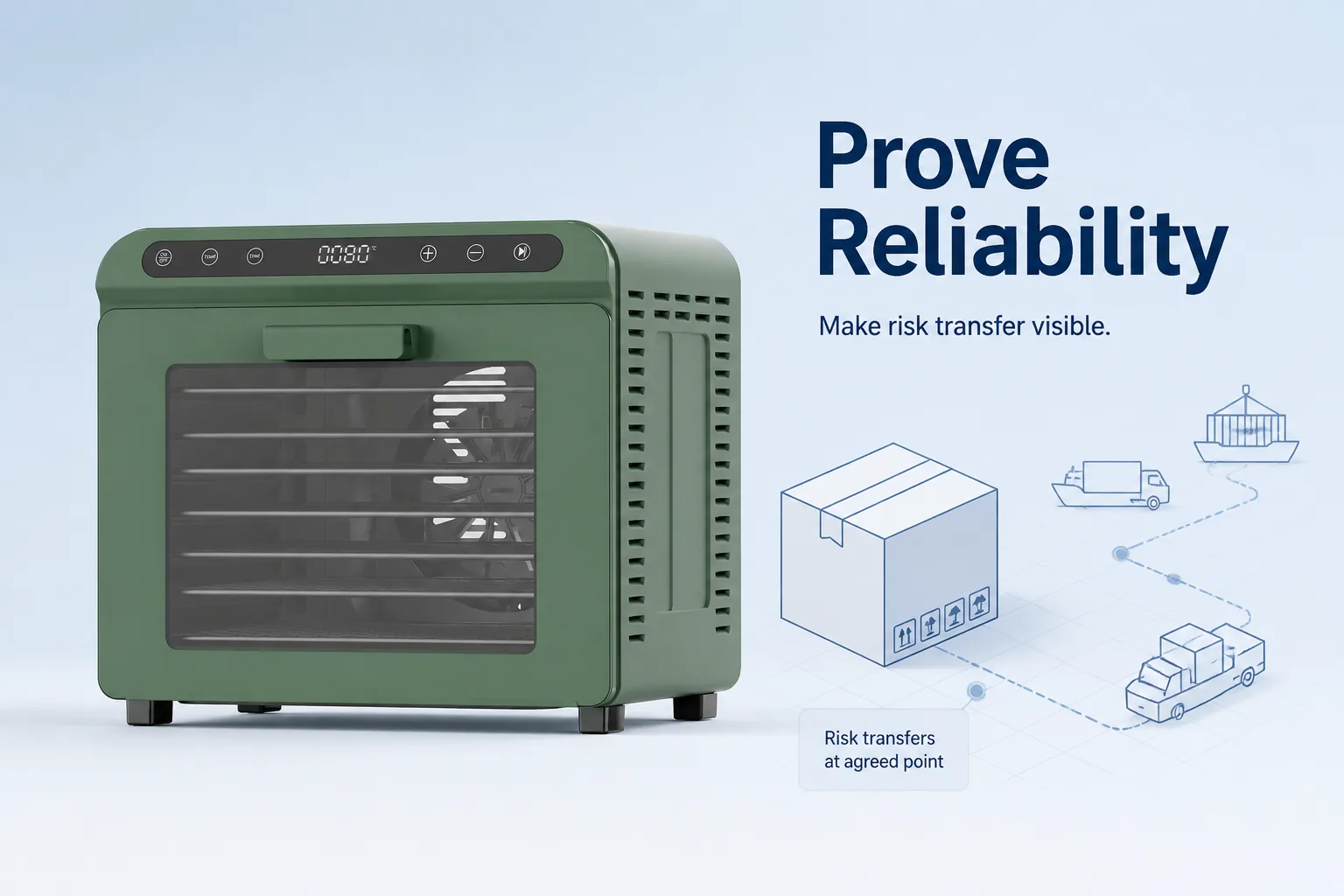
Blog cover: Incoterms and Quality Handover: Make the Risk Transfer Visible in the Launch Plan
Buyer Guide

Incoterms and Quality Handover: Make the Risk Transfer Visible in the Launch Plan

Why shipping terms should be connected to inspection, document release and damage-claim responsibilities.

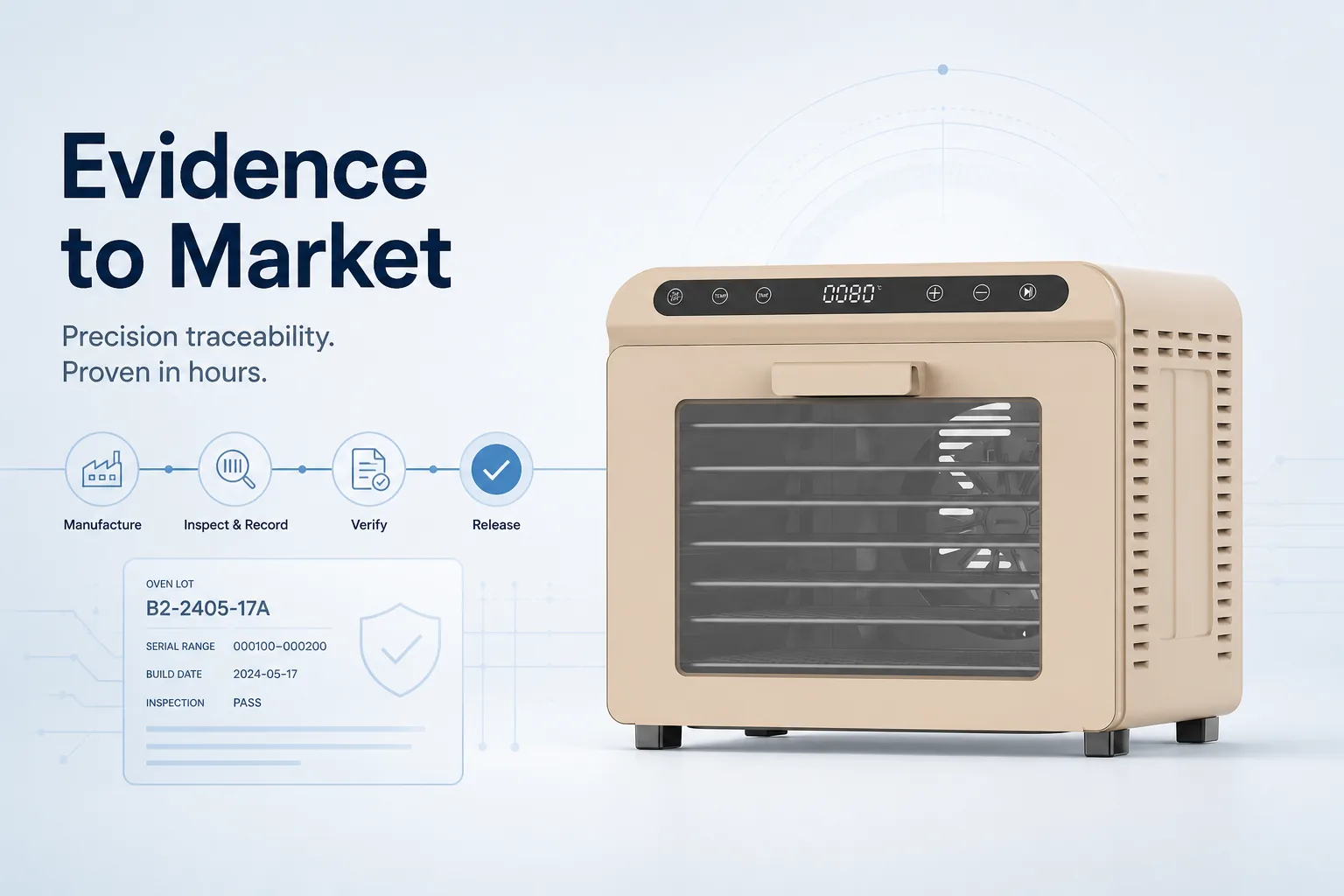
Blog cover: Recall Traceability: Can You Identify the Affected Oven Lot in Hours, Not Days?
Quality Systems

Recall Traceability: Can You Identify the Affected Oven Lot in Hours, Not Days?

How model, batch, supplier and shipment data should connect before an incident happens.

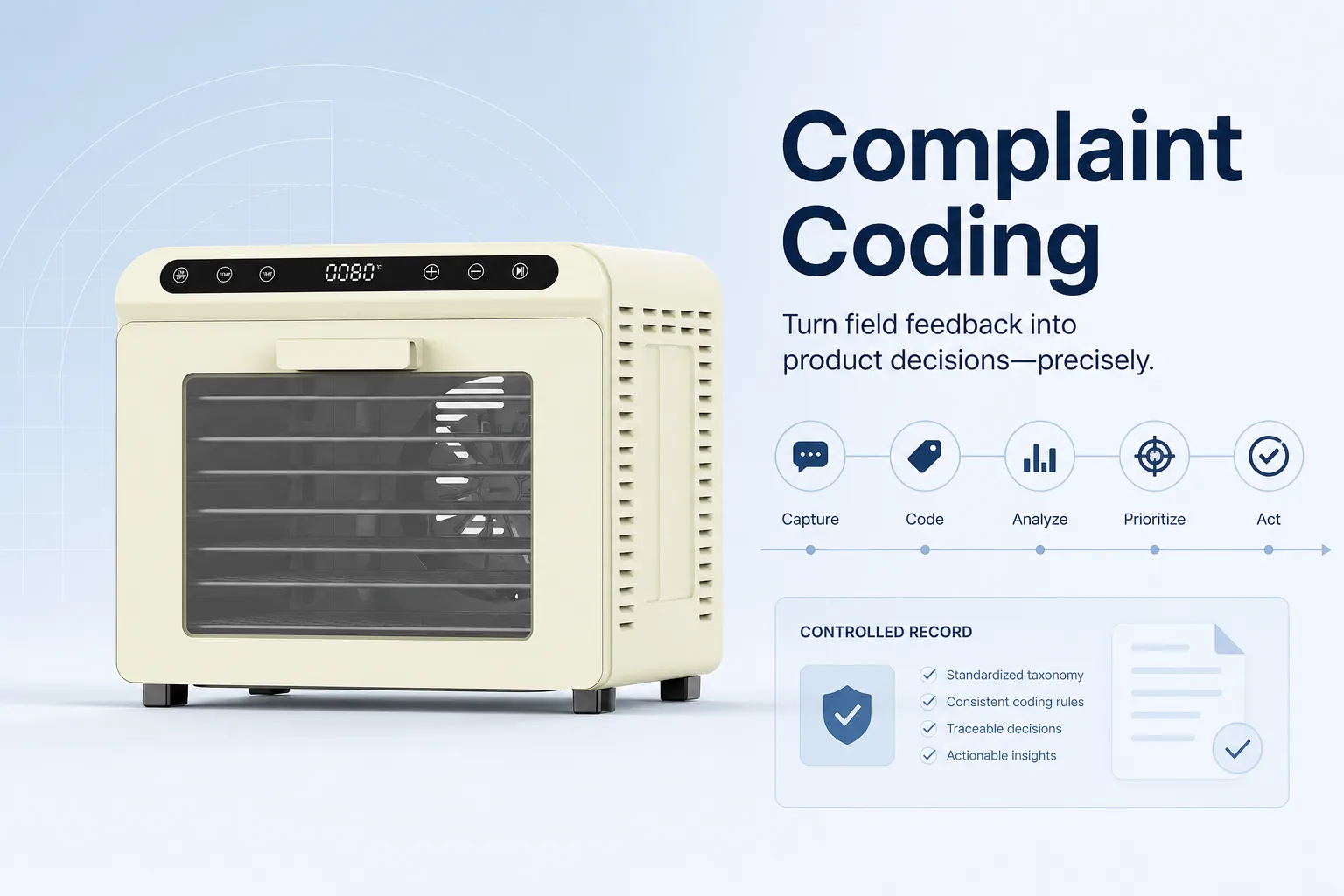
Blog cover: Complaint Coding: Turn Field Feedback Into Product Decisions Instead of Anecdotes
Quality Systems

Complaint Coding: Turn Field Feedback Into Product Decisions Instead of Anecdotes

A useful taxonomy for separating shipping damage, user error, quality defects and safety signals.

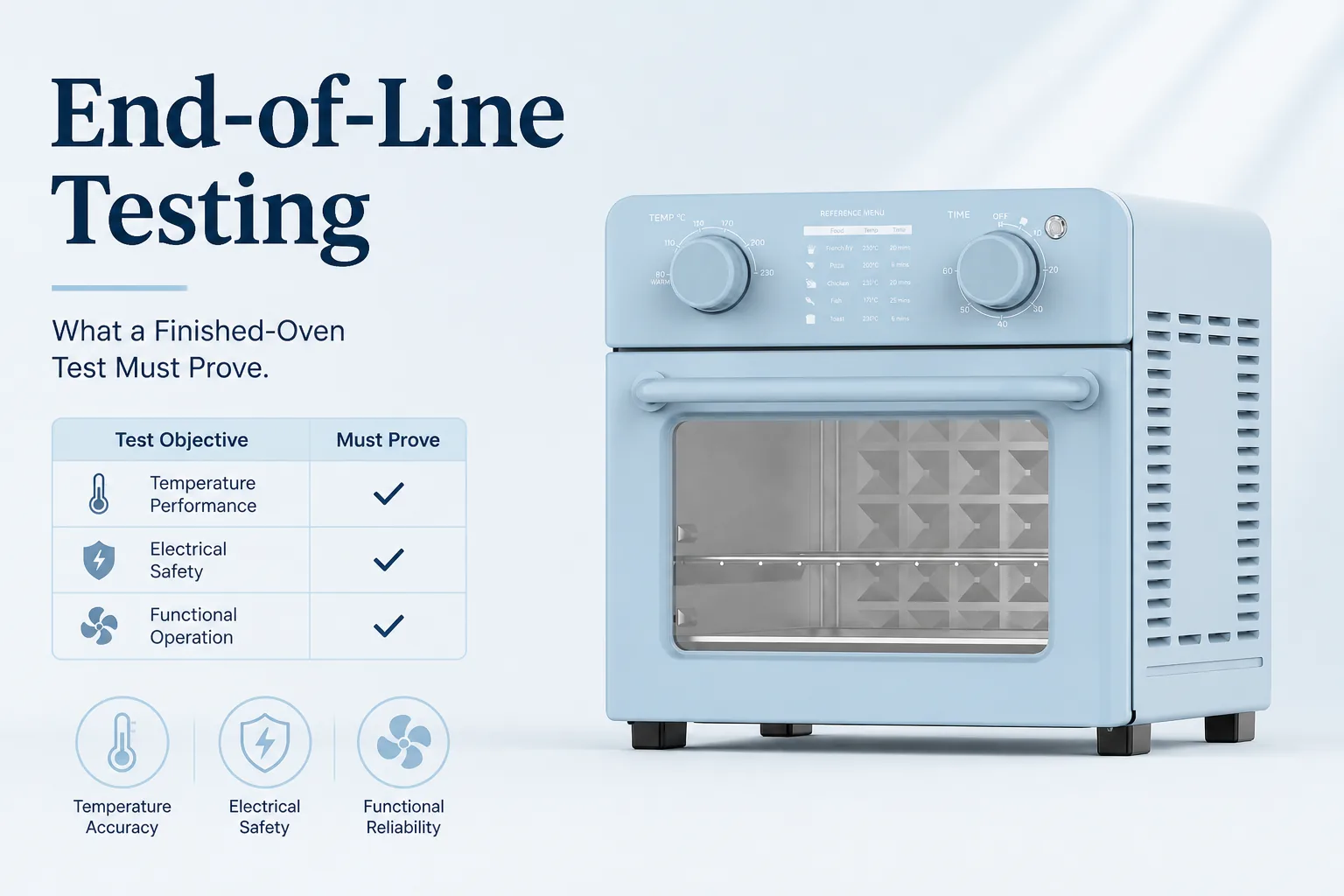
Blog cover: End-of-Line Testing: What a Finished-Oven Test Must Prove
Quality Systems

End-of-Line Testing: What a Finished-Oven Test Must Prove

How to decide which functions, safety checks and records belong at final assembly.

Blog cover: Wire Routing in Hot Zones: A Detail That Affects Safety, Noise and Assembly Yield
Safety Engineering

Wire Routing in Hot Zones: A Detail That Affects Safety, Noise and Assembly Yield

Why clip locations, bend radius and clearance must be validated on production-intent assemblies.

Blog cover: Solder-Joint Workmanship: What Appliance Buyers Should Ask Beyond 'RoHS Compliant'
Quality Systems

Solder-Joint Workmanship: What Appliance Buyers Should Ask Beyond 'RoHS Compliant'

How process capability, inspection and repair control affect electronic reliability.

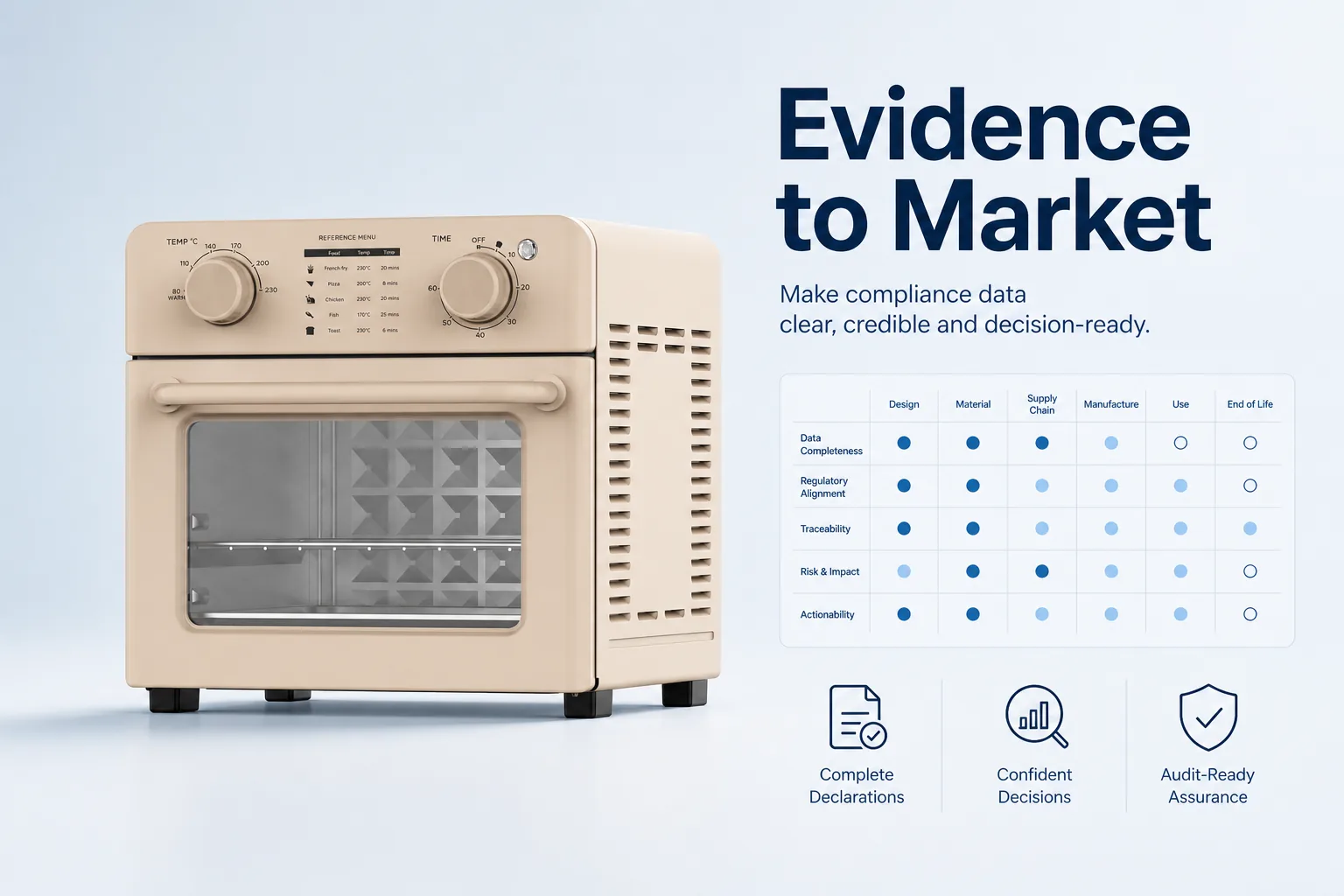
Blog cover: Material Declarations: How to Make Compliance Data Usable at Product Level
Compliance

Material Declarations: How to Make Compliance Data Usable at Product Level

A buyer's guide to linking supplier declarations, part numbers and product configuration.

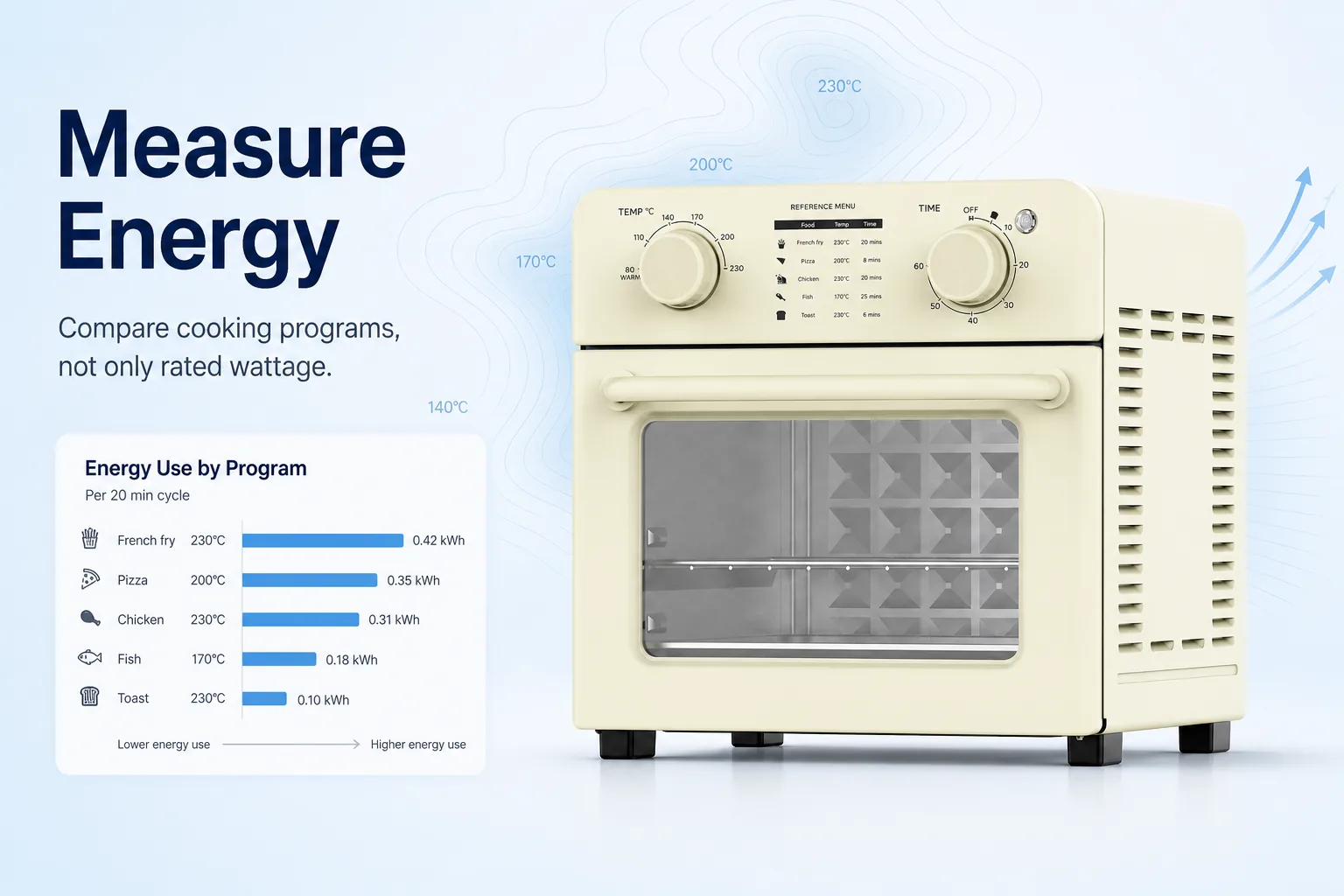
Blog cover: Energy Consumption Measurements: Compare Cooking Programs, Not Only Rated Wattage
Energy & Performance

Energy Consumption Measurements: Compare Cooking Programs, Not Only Rated Wattage

Why input power, preheat, cycling and load profile must be separated in a buyer comparison.

Blog cover: Cooking Validation: How to Turn a Recipe Claim Into Repeatable Evidence
Product Engineering

Cooking Validation: How to Turn a Recipe Claim Into Repeatable Evidence

A framework for validating browning, doneness and repeatability without overstating what one demonstration proves.

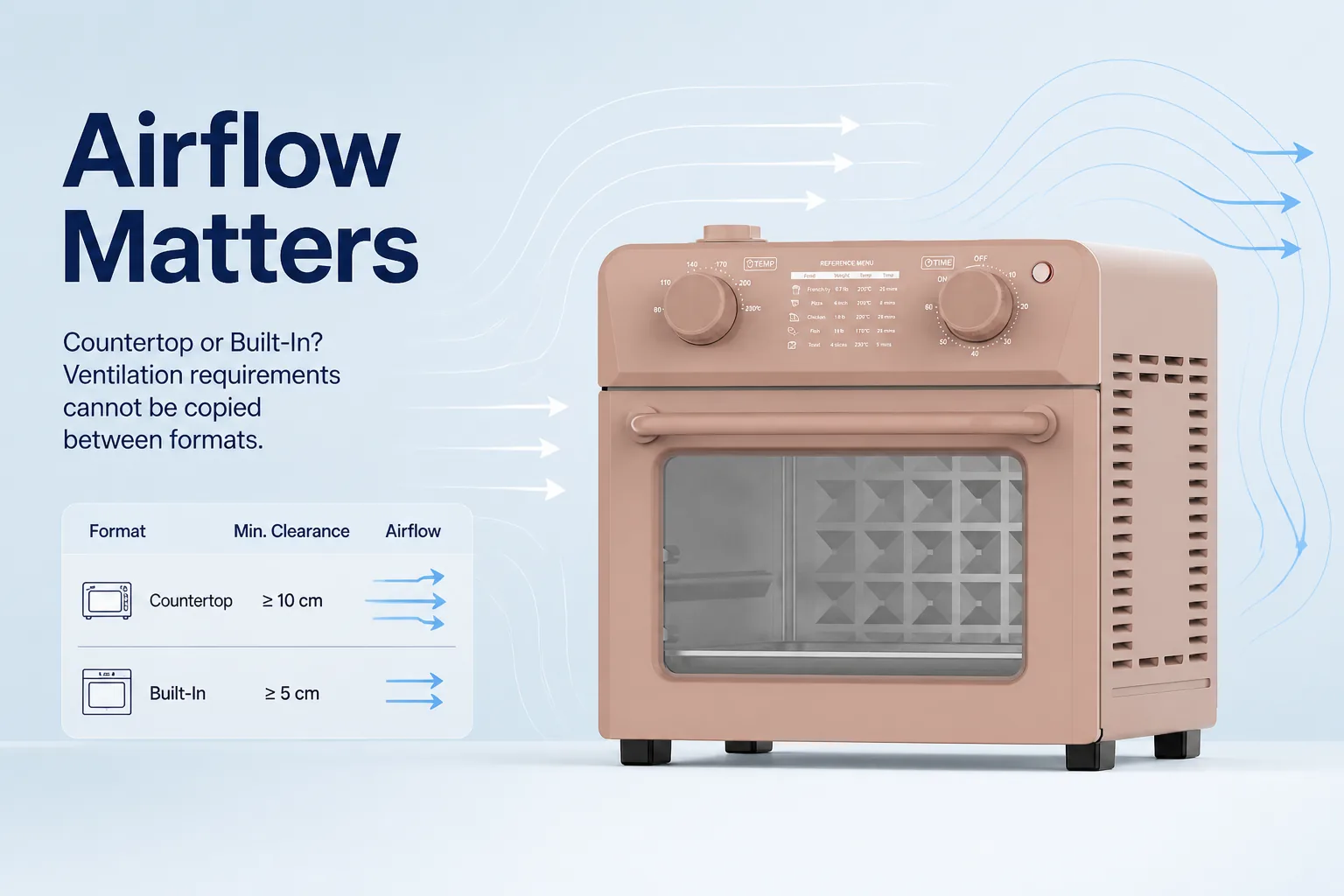
Blog cover: Countertop or Built-In? Why Ventilation Requirements Cannot Be Copied Between Formats
Safety Engineering

Countertop or Built-In? Why Ventilation Requirements Cannot Be Copied Between Formats

How installation category changes the assumptions behind heat management and user instructions.

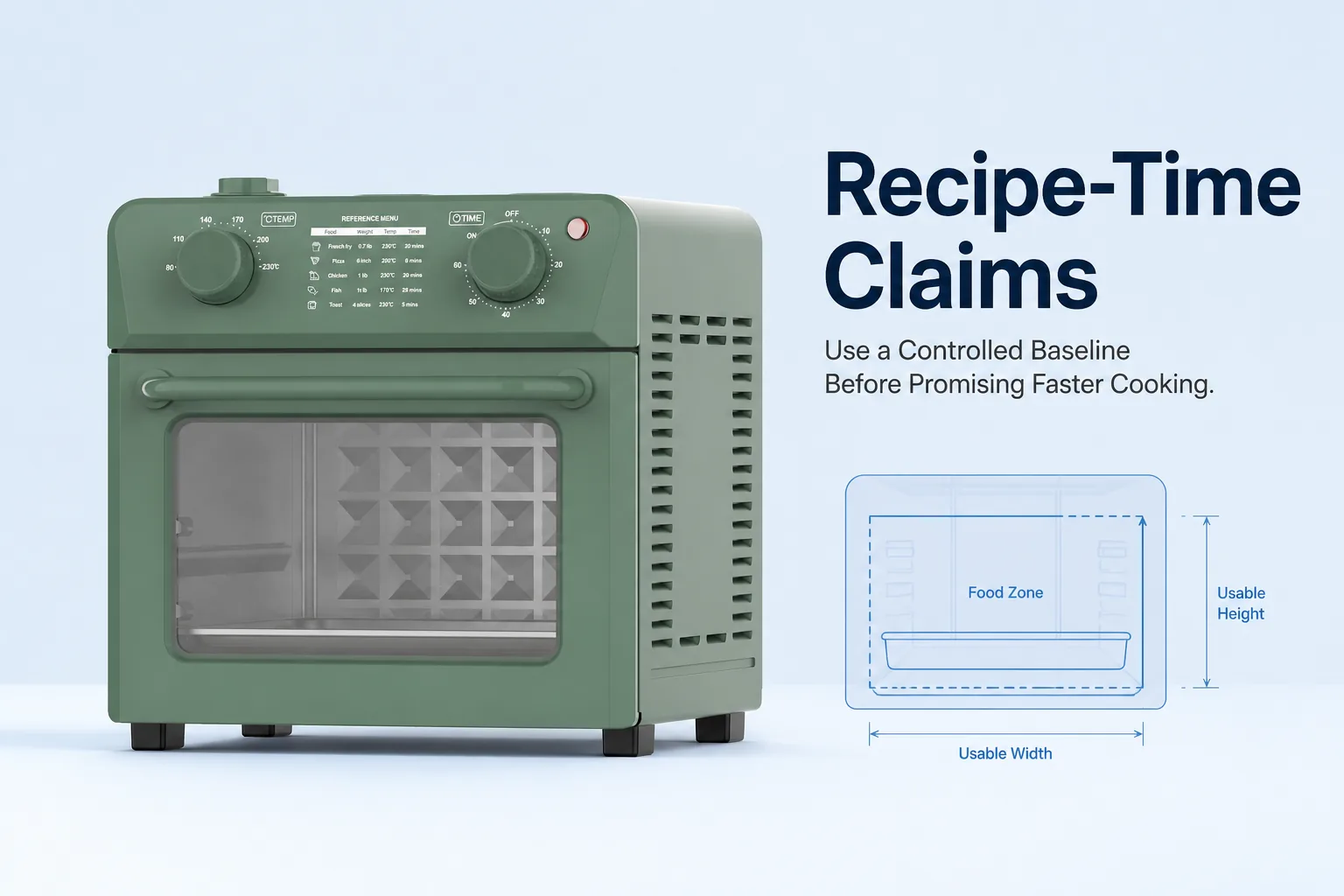
Blog cover: Recipe-Time Claims: Use a Controlled Baseline Before Promising Faster Cooking
Buyer Guide

Recipe-Time Claims: Use a Controlled Baseline Before Promising Faster Cooking

Why comparative cooking claims need a fair baseline, a defined endpoint and a record of conditions.

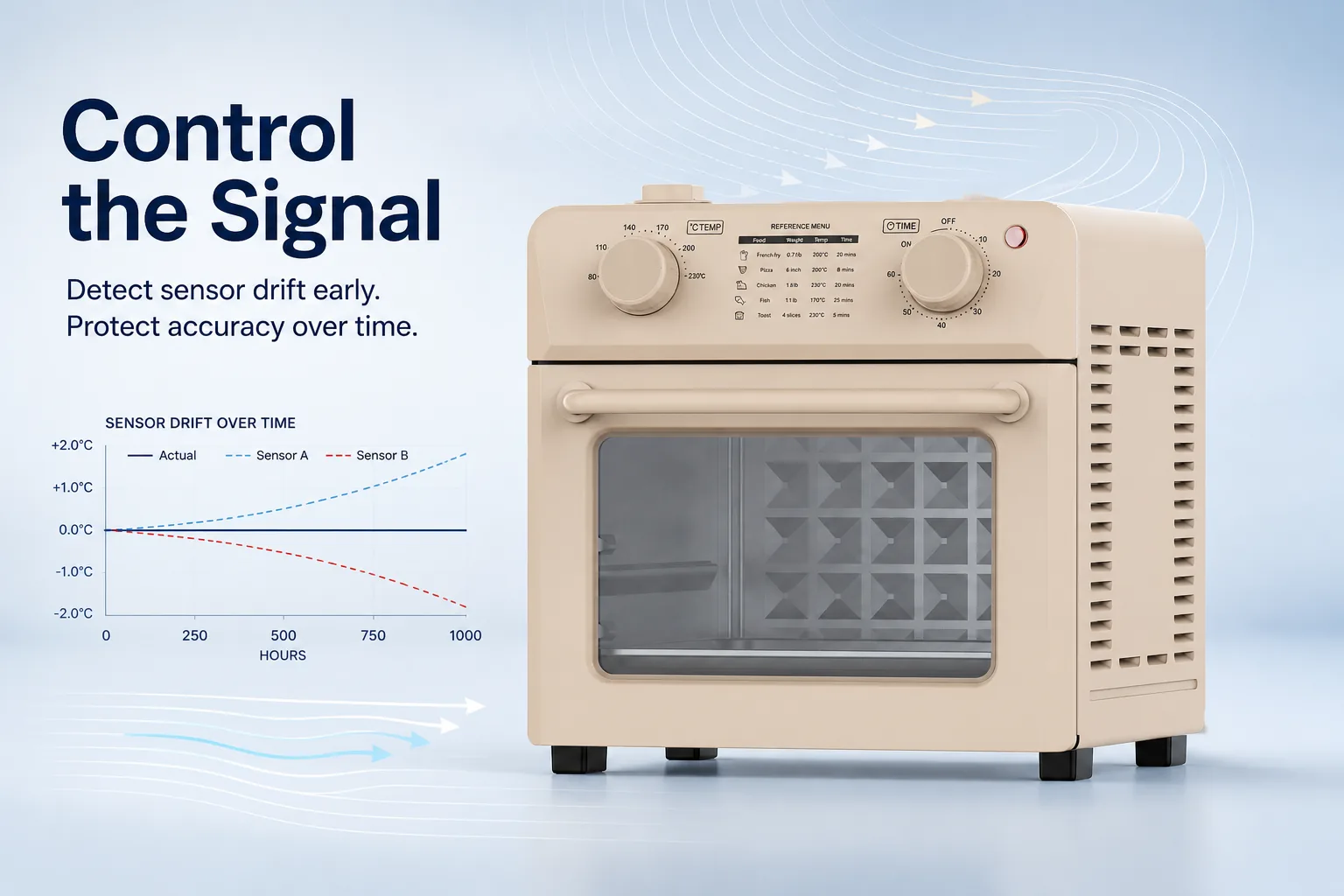
Blog cover: Sensor Drift: The Long-Term Control Risk Behind a Stable Factory Sample
Quality Systems

Sensor Drift: The Long-Term Control Risk Behind a Stable Factory Sample

How to ask for evidence that temperature sensing remains reliable after heat, cycling and time.

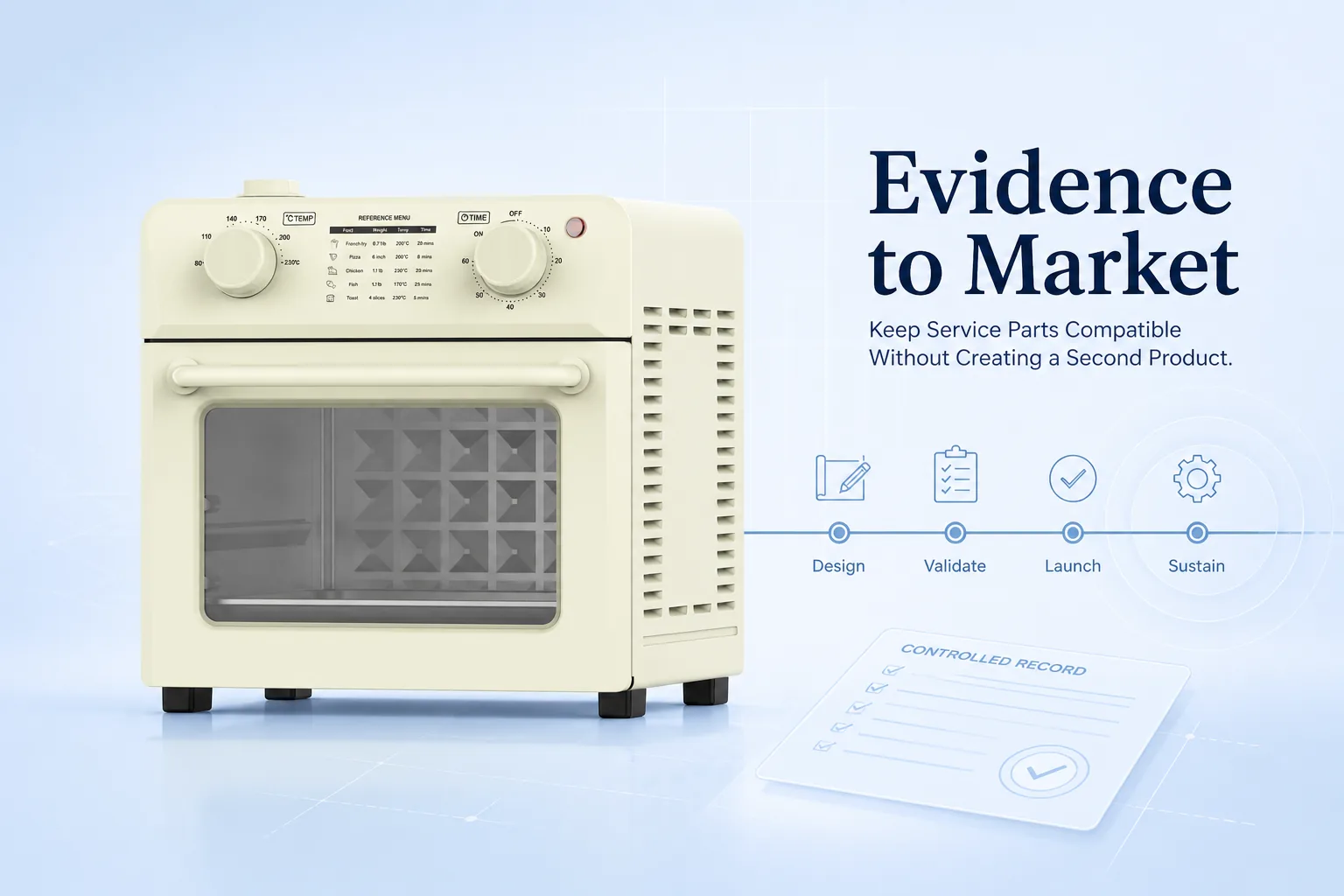
Blog cover: Aftermarket Revisions: Keep Service Parts Compatible Without Creating a Second Product
Supply Chain

Aftermarket Revisions: Keep Service Parts Compatible Without Creating a Second Product

A change-control guide for replacement parts introduced after the original production run.

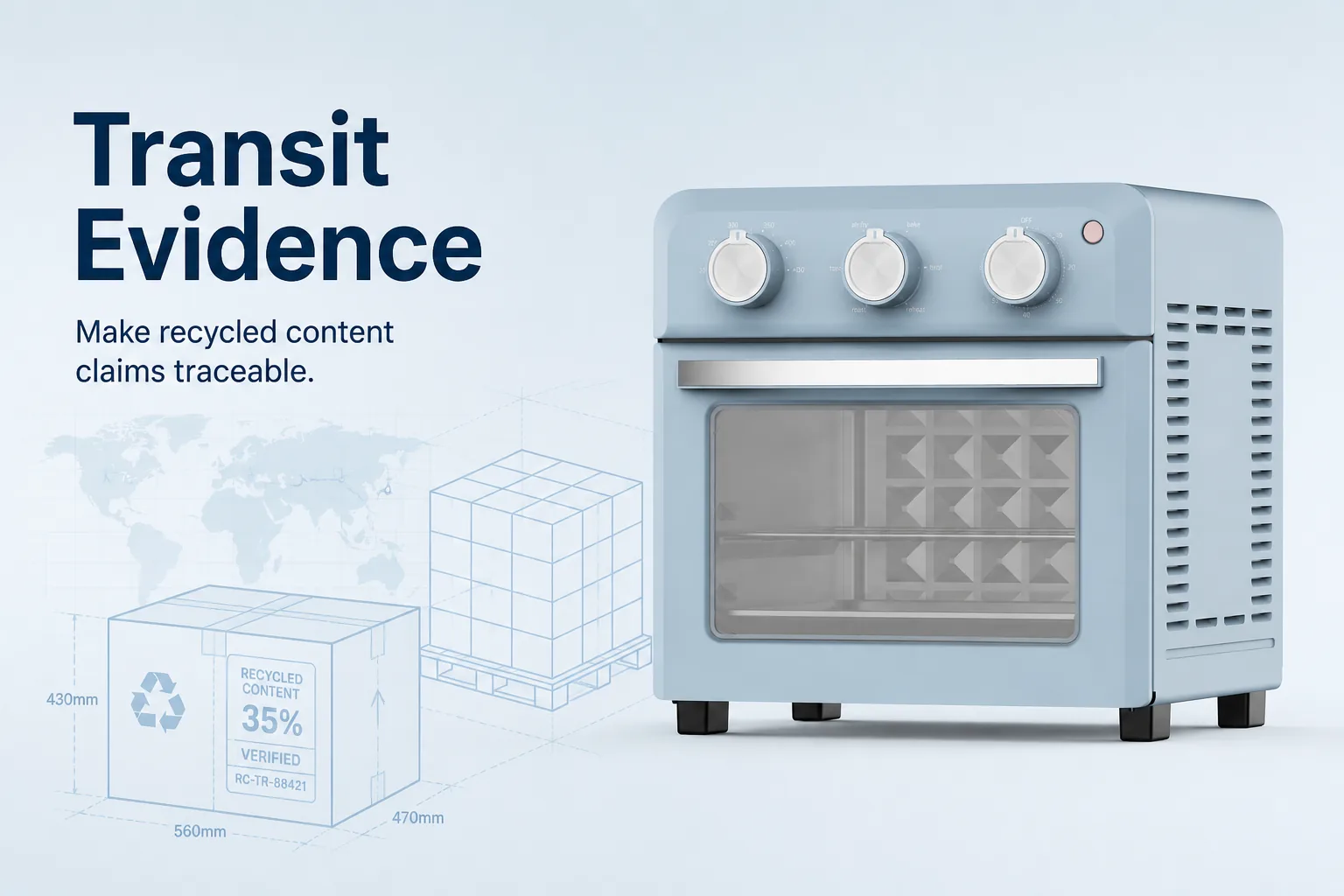
Blog cover: Recycled Content Claims on Appliance Packaging: Make the Number Traceable
Compliance

Recycled Content Claims on Appliance Packaging: Make the Number Traceable

How buyers can distinguish a verified packaging claim from a vague sustainability statement.

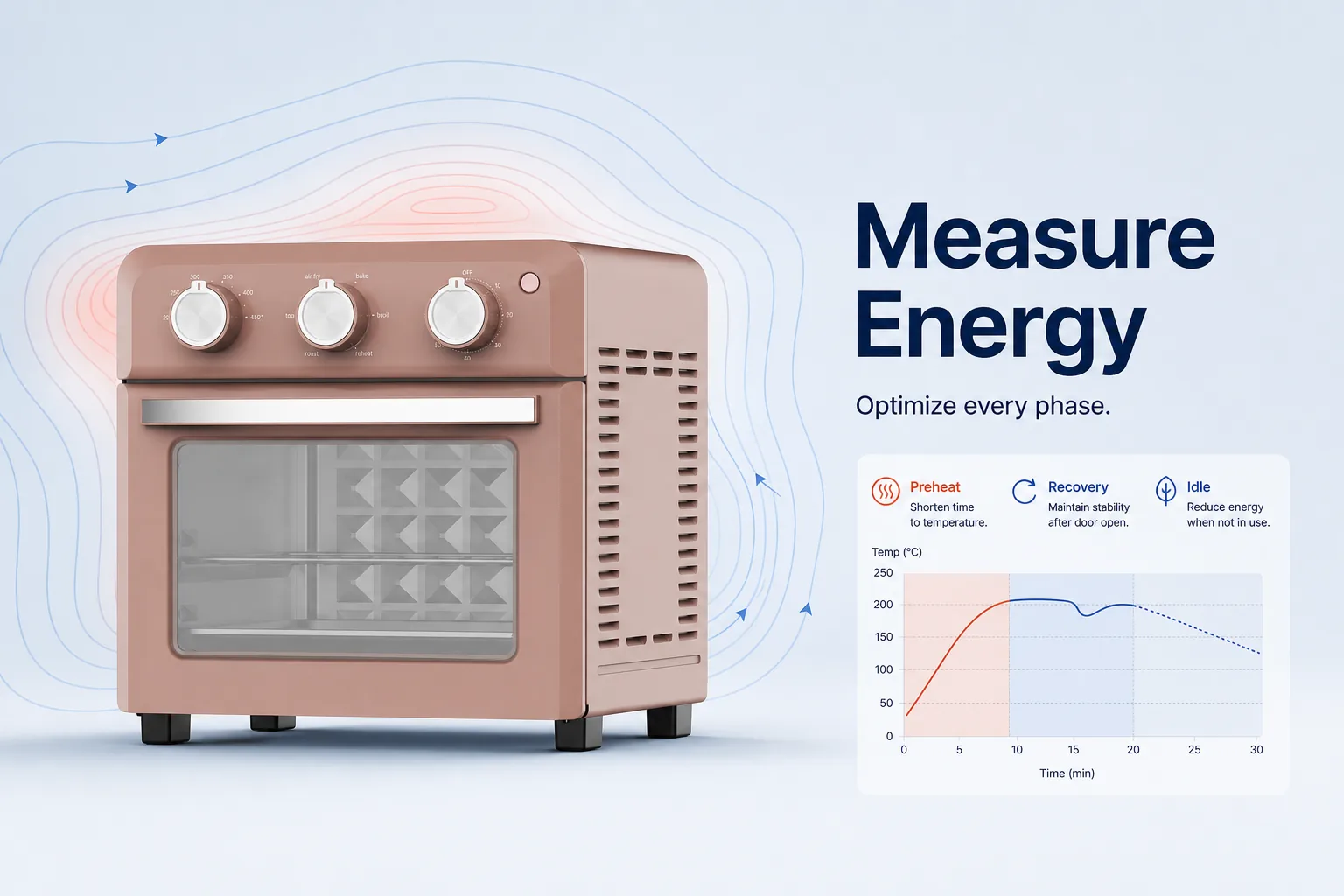
Blog cover: Oven Energy Efficiency: Why Preheat, Recovery and Idle Energy Matter to B2B Buyers
Buyer Guide

Oven Energy Efficiency: Why Preheat, Recovery and Idle Energy Matter to B2B Buyers

A measurement-led guide to comparing countertop oven energy use across preheat, loaded recovery and idle conditions instead of relying on rated wattage alone.

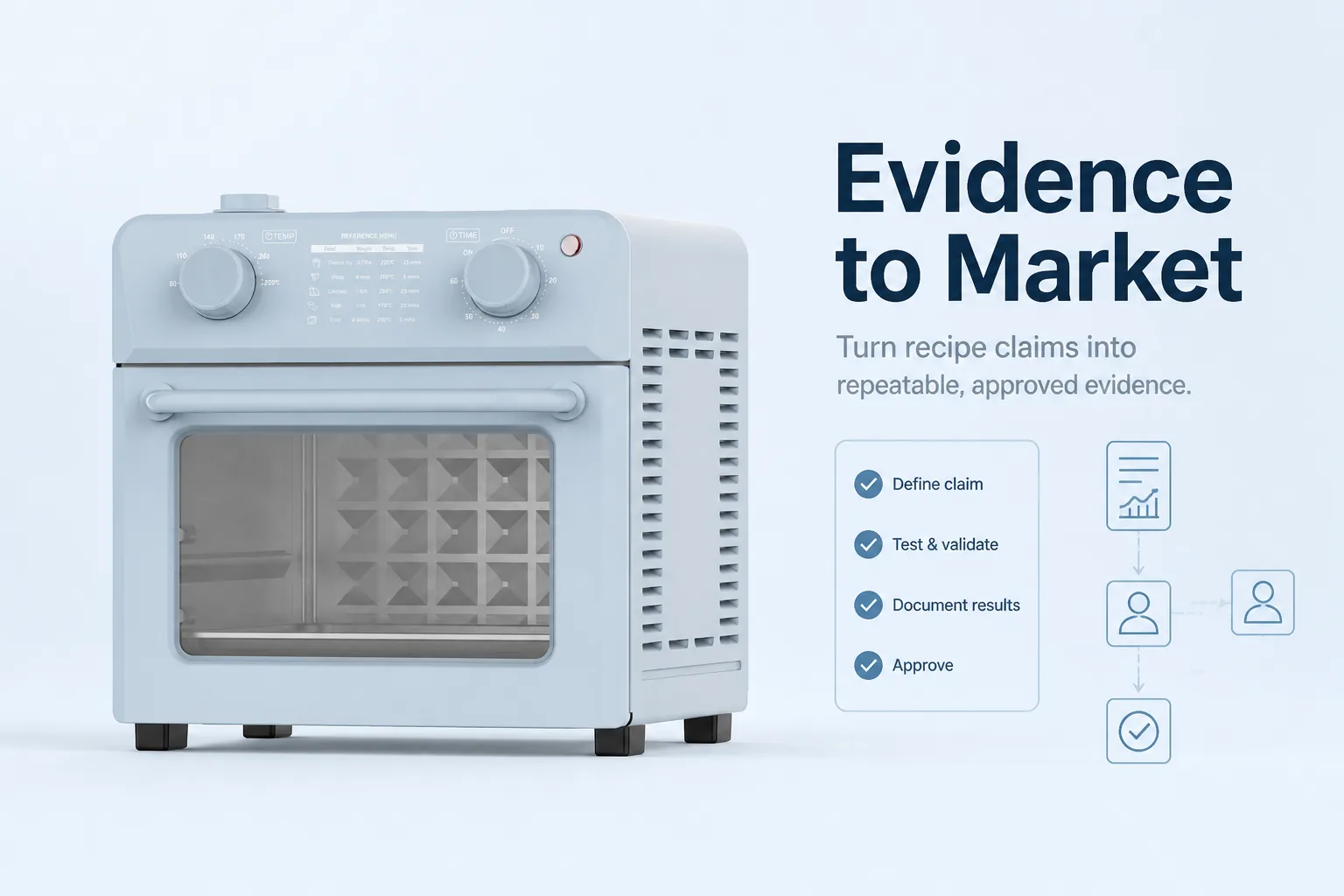
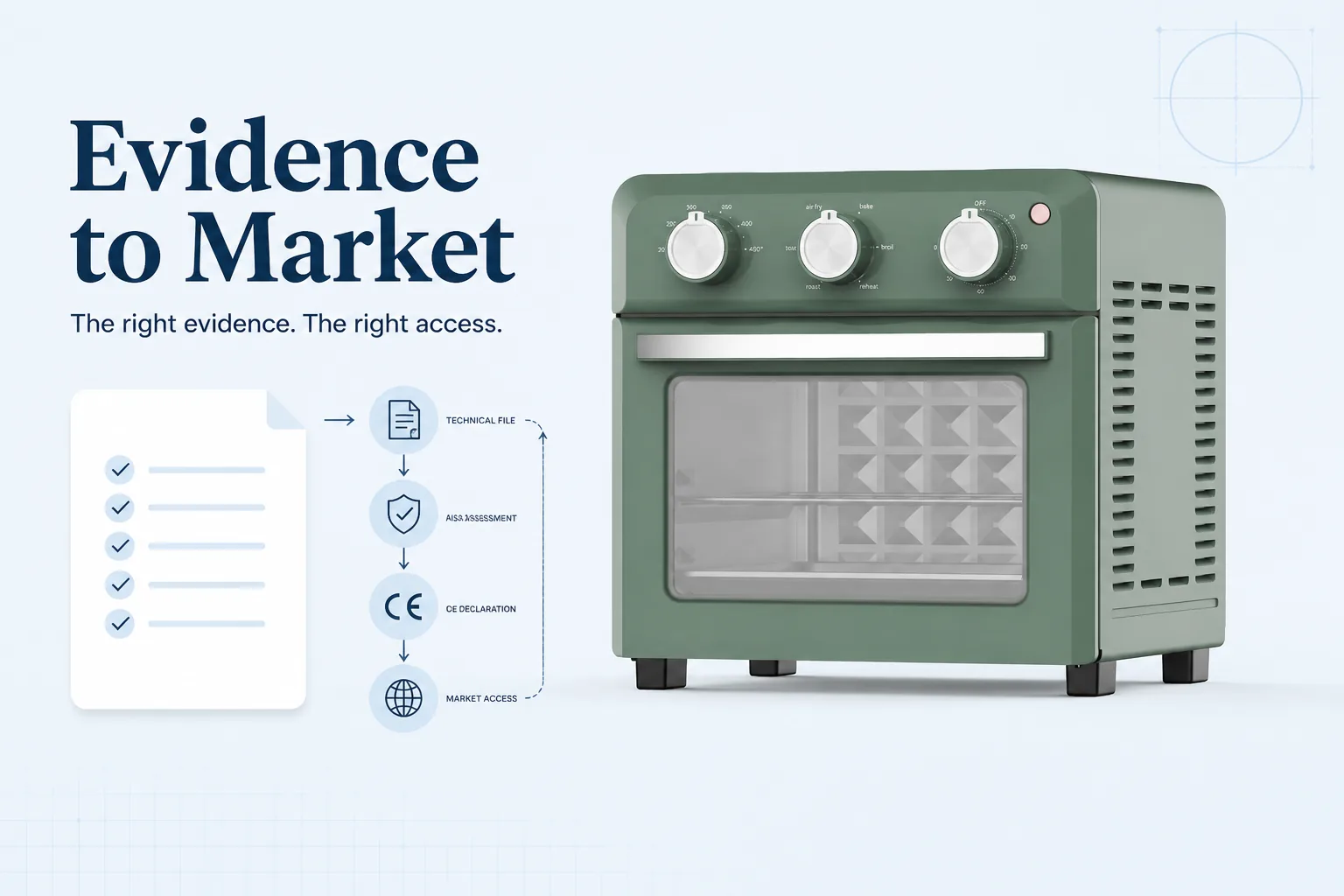
Blog cover: CE, Safety and Market Access: What Evidence Should an Oven OEM Provide?
Compliance

CE, Safety and Market Access: What Evidence Should an Oven OEM Provide?

A practical evidence checklist for CE-facing countertop oven programmes, covering risk assessment, technical files, test reports and change control.

Blog cover: OEM vs ODM Air Fryer Ovens: How to Choose the Right Development Model
Buyer Guide

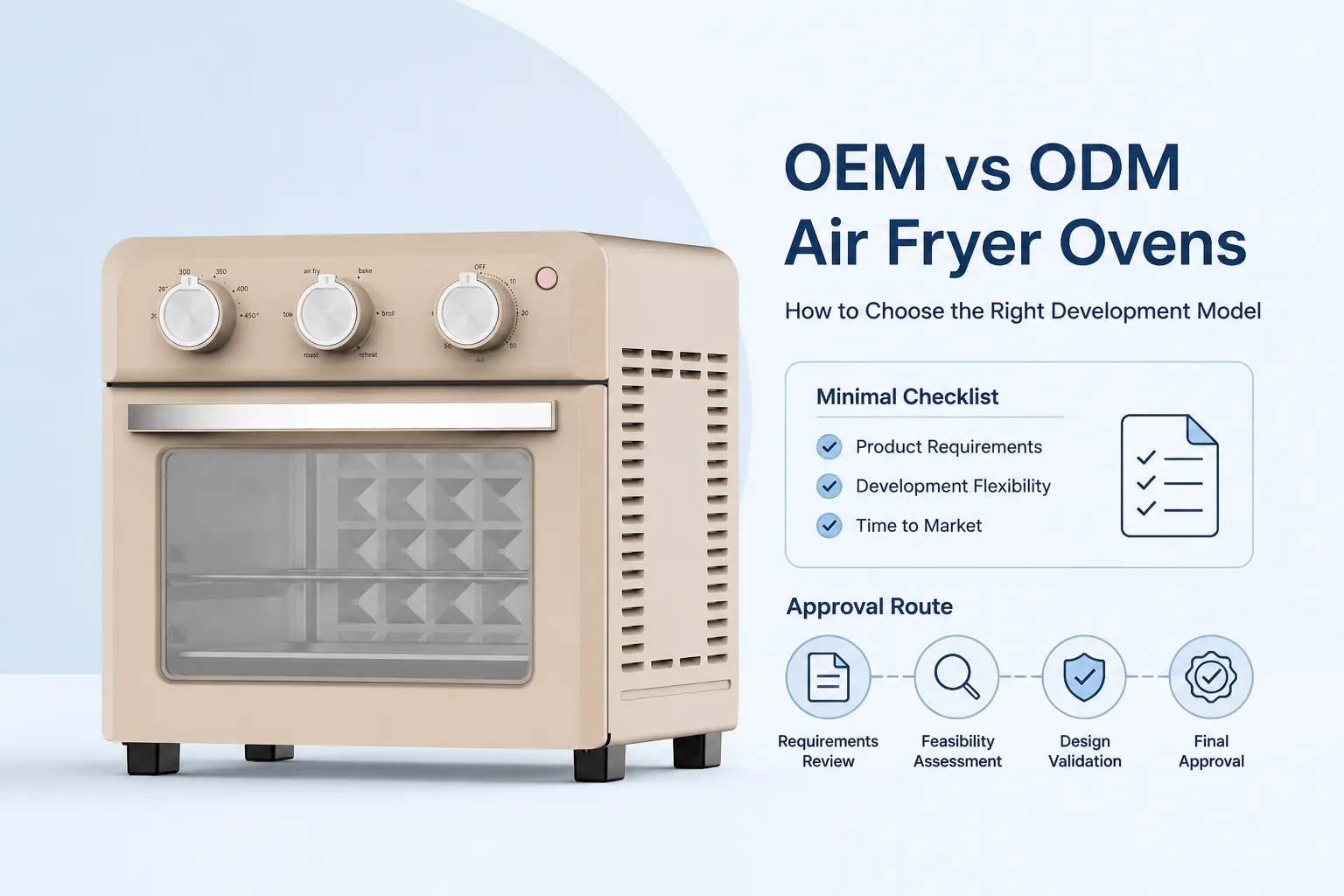
OEM vs ODM Air Fryer Ovens: How to Choose the Right Development Model

A commercial and engineering framework for choosing OEM, ODM or a hybrid route while protecting specification control, tooling rights and launch timing.

Blog cover: Rated Litres vs Usable Oven Capacity: What Buyers Should Actually Measure
Buyer Guide

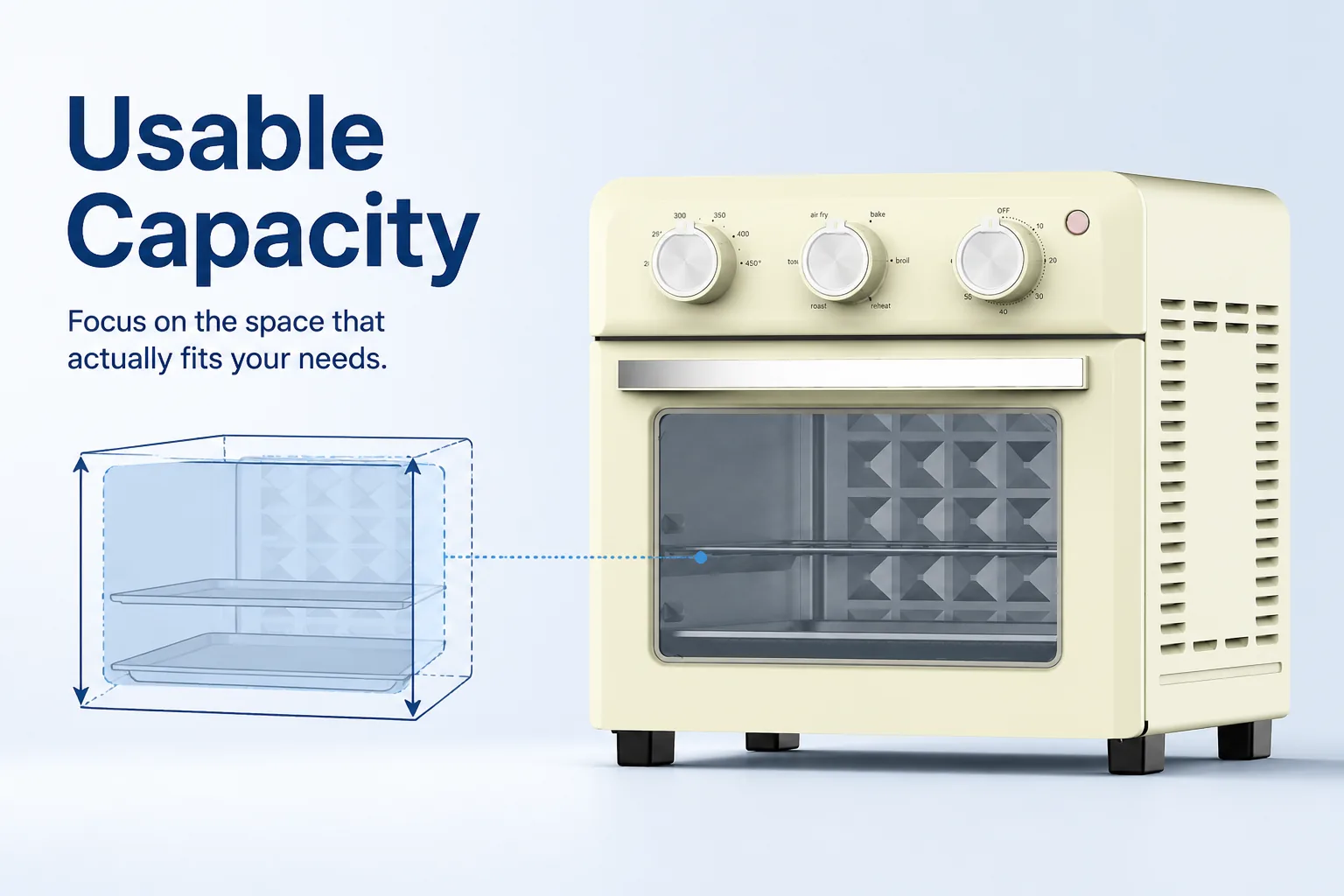
Rated Litres vs Usable Oven Capacity: What Buyers Should Actually Measure

Why tray footprint, rack spacing, door clearance and airflow zones often matter more than the headline litre figure in a countertop oven RFQ.

Blog cover: Dual Sourcing for Countertop Ovens: Reduce Programme Risk Without Losing Specification Control
Supply Chain

Dual Sourcing for Countertop Ovens: Reduce Programme Risk Without Losing Specification Control

How to build a second-source plan that protects continuity while keeping the approved oven specification, safety evidence and change process under control.

Blog cover: Heater Watt Density and Element Layout: The Hidden Variables Behind Oven Performance
Engineering

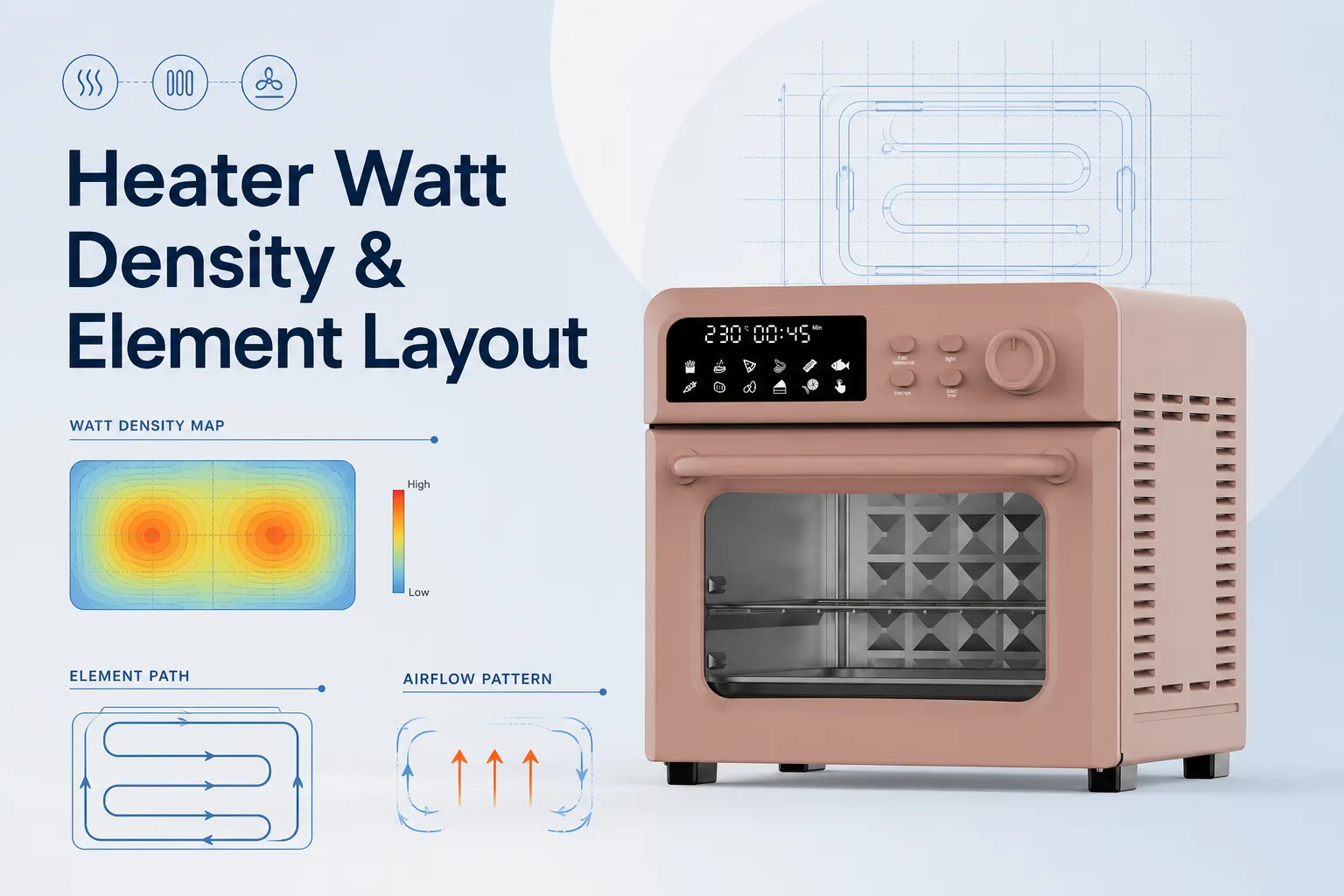
Heater Watt Density and Element Layout: The Hidden Variables Behind Oven Performance

A technical buyer’s guide to comparing element loading, radiant coverage, airflow and endurance instead of treating rated power as a performance guarantee.

Blog cover: Temperature Sensor Placement and Drift: Why a Stable Factory Sample Is Not Enough
Engineering

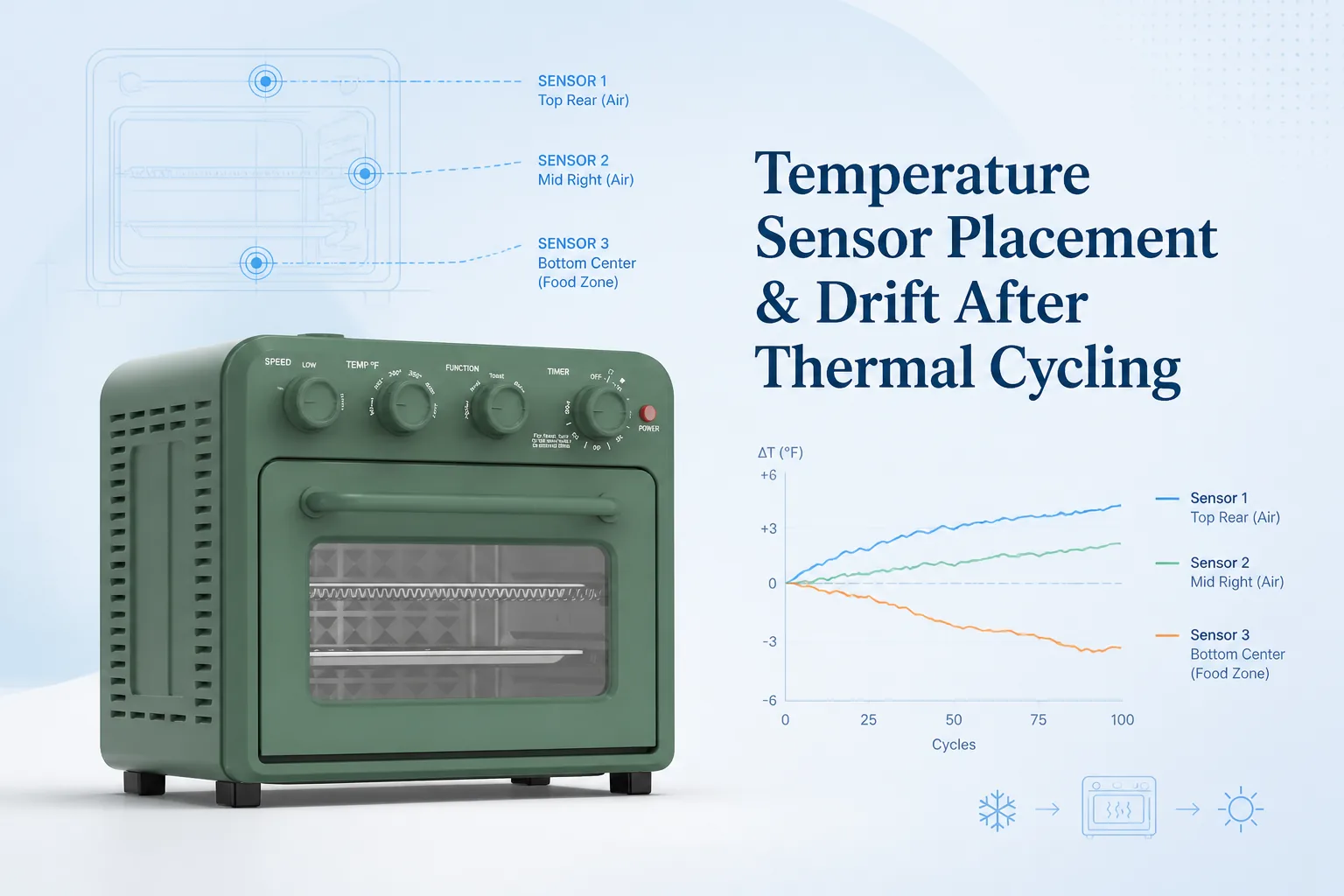
Temperature Sensor Placement and Drift: Why a Stable Factory Sample Is Not Enough

How sensor location, mounting, tolerance and long-term drift can change displayed temperature, cooking uniformity and field complaints.

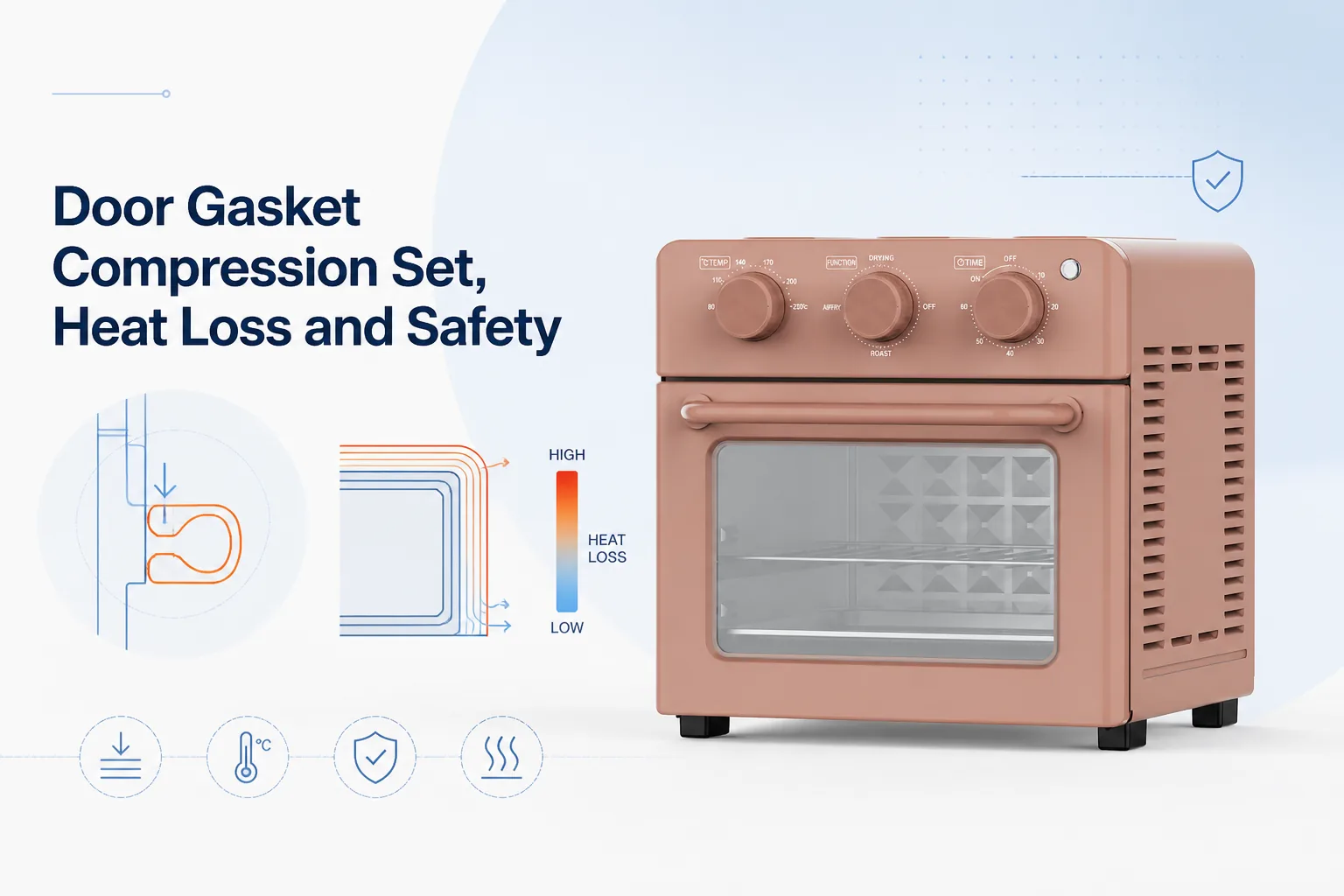
Blog cover: Door Gasket Compression Set: The Small Detail That Changes Heat Loss and Safety
Engineering

Door Gasket Compression Set: The Small Detail That Changes Heat Loss and Safety

Why seal material, compression, corners and ageing need a finished-door test rather than a component certificate alone.

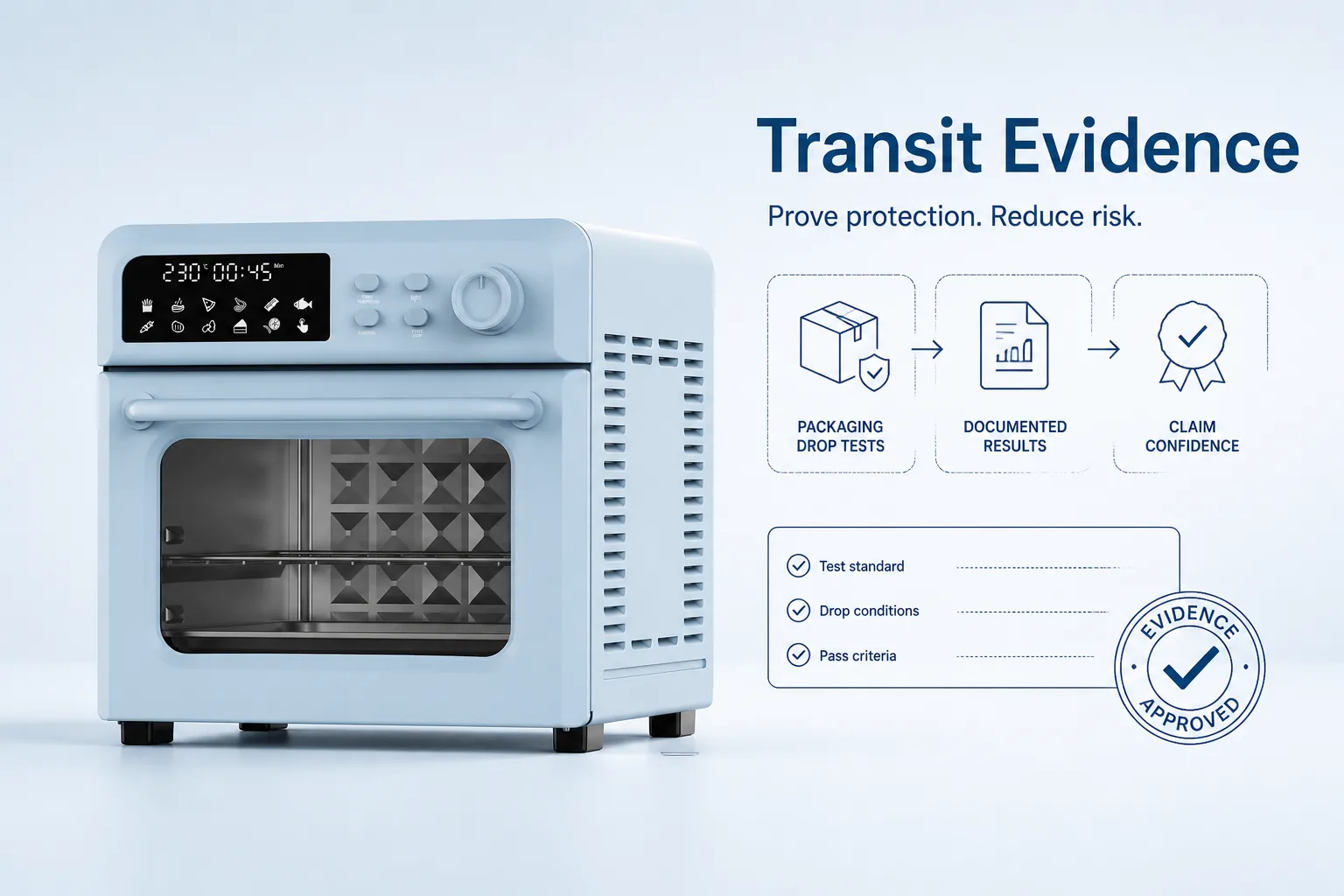
Blog cover: Packaging Drop Tests for Countertop Ovens: Turn a Carton Claim Into Evidence
Supply Chain

Packaging Drop Tests for Countertop Ovens: Turn a Carton Claim Into Evidence

A channel-specific approach to protecting glass, doors, controls and cosmetic panels from real parcel and pallet handling.

Blog cover: EMC and Power Quality for Countertop Ovens: What Changes Between 50 Hz and 60 Hz Markets
Compliance

EMC and Power Quality for Countertop Ovens: What Changes Between 50 Hz and 60 Hz Markets

What B2B buyers should validate when the same oven platform moves between mains frequency, voltage, plug, control and EMC environments.

From insight to action

Have a product brief or sourcing question?

Share your market, volume and certification direction with our team.
Discuss Your Project